








As the gubernatorial race intensifies, Florida’s next leader faces a complex environmental landscape that extends far beyond the state’s iconic Everglades. Candidates are currently navigating the delicate task of balancing the continuation of high-profile, voter-popular conservation initiatives with the mounting pressures of rapid urbanization, climate change, and the persistent crisis of invasive species.
At the heart of the current political discourse is the state’s ongoing struggle with the Burmese python. Long considered an ecological disaster for the Everglades, the invasive reptile has decimated native mammal populations, turning the national park into a primary battleground for conservation efforts. Current state-funded culling programs and bounty hunts have earned significant public support, casting the governor’s office as a proactive steward of the ecosystem. Both leading candidates have signaled their intent to maintain—and potentially expand—these eradication initiatives, recognizing that for many Floridians, the fight against invasives is a tangible symbol of government commitment to wildlife preservation.
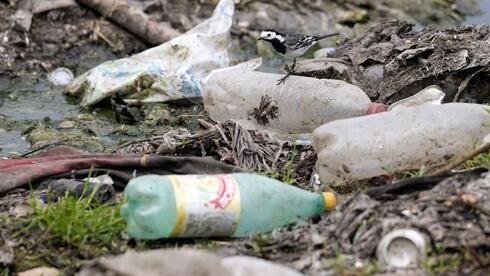
However, beyond the optics of python hunts, the next governor will inherit systemic environmental challenges that are arguably more difficult to resolve. Foremost among these is the state’s worsening water quality crisis. Toxic blue-green algae blooms and persistent red tides have repeatedly crippled local tourism economies and sparked public outcry. While the current administration has funneled billions into Everglades restoration projects intended to improve water flow and quality, critics argue that these infrastructure efforts are failing to address the primary cause: nutrient runoff from agricultural and urban development. The challenge for the incoming administration will be to move from broad-stroke restoration promises to the more politically fraught task of regulating nutrient discharge at its source.
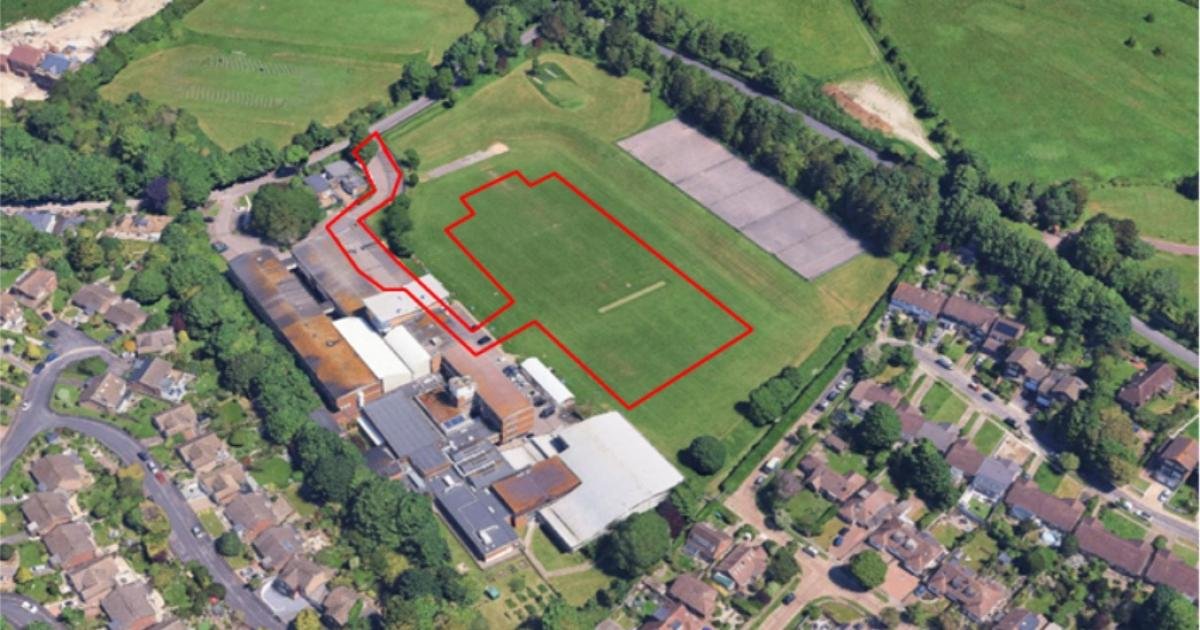
Land management also sits at the forefront of the gubernatorial debate. As Florida continues to see one of the highest rates of population growth in the nation, the competition for space between developers and conservationists has reached a boiling point. The state’s “Florida Forever” land-acquisition program remains a cornerstone of environmental policy, praised by voters across the political spectrum. Both front-runners have pledged to sustain or increase funding for land conservation, aiming to mitigate the effects of heat islands and flooding. Yet, beneath these pledges lies the uncomfortable reality of skyrocketing land values and pressure from the real estate industry to rezone rural and protected lands for suburban sprawl.
Climate change, particularly the increasing frequency of extreme weather events and sea-level rise, poses the most existential threat to the state. While the current political environment has seen a pivot toward “resilience” funding—focused on elevating roads and hardening infrastructure—there remains a widening gap between these engineering solutions and the need for comprehensive carbon-reduction policies. Candidates are finding it increasingly difficult to avoid the subject, as coastal property owners and insurance providers demand long-term stability in a region facing a precarious future.
The political calculus for the next governor is clear: environmental protection is no longer a peripheral issue; it is a primary economic driver. With the state’s identity so deeply rooted in its natural resources—from the springs and coastlines to the wetlands—the winning candidate will likely be the one who can successfully bridge the gap between popular conservation rhetoric and the hard, technical, and often expensive reality of managing Florida’s changing climate. As the campaign reaches its final stages, the focus will remain on whether these candidates can move beyond the populist appeal of invasive species management to address the fundamental sustainability of Florida’s environment.
Disclaimer: This content is auto-generated for informational purposes only.
Source: Read Original News