








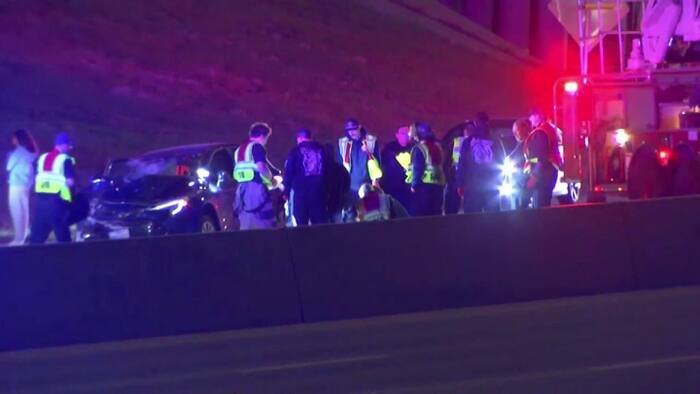
SAN ANTONIO – In the wake of a tragic accident that claimed the life of an 18-year-old woman on US-281 earlier this week, the Texas Department of Public Safety (DPS) is issuing an urgent reminder to motorists regarding safety protocols during vehicle emergencies.
The victim was struck and killed by a passing vehicle while attempting to exit her own car after it stalled on the highway, a harrowing scenario that authorities say highlights the lethal risks of being stranded on busy roadways. To prevent future tragedies, DPS is urging all drivers to familiarize themselves with essential survival steps if their vehicle becomes disabled.
“Staying calm is the most critical first step,” officials stated in a new safety advisory. When a vehicle loses power or suffers a mechanical failure in high-traffic areas, the immediate instinct to jump out and inspect the damage can be fatal.
The department’s primary guidance for stranded motorists includes the following life-saving measures:
- Prioritize Positioning: Attempt to pull your vehicle off the road as far as possible, ideally onto the shoulder or a grassy median, away from active traffic lanes.
- Increase Visibility: Turn on your hazard lights or flashers immediately. This alerts other drivers to your presence and provides a visual warning to slow down or change lanes.
- Seek Assistance: Remain inside your vehicle if it is safe to do so. Call local law enforcement or emergency roadside assistance and wait for professional help to arrive. A patrol car or tow truck provides a much more significant barrier against traffic than a stalled sedan.
- Exercise Caution When Exiting: If it is absolutely necessary to exit the vehicle—such as if the car is in a particularly dangerous spot or the engine is smoking—only exit through the passenger side or the side furthest away from moving traffic. Never step out into the flow of active lanes.
Traffic safety experts emphasize that highway shoulders are not safe zones for pedestrians. Even when a driver believes they are clear of the main lanes, the speed of oncoming traffic creates a high-pressure vacuum and a margin of error that is razor-thin. By staying inside the vehicle with seatbelts fastened, drivers and passengers are protected by the metal frame of the car, which serves as the best possible defense against an accidental collision.
As investigations continue into the recent incident on US-281, DPS is using this tragedy to underscore that being prepared can mean the difference between a minor inconvenience and a fatal encounter. For more detailed information on highway safety and emergency preparedness, motorists are encouraged to visit the official Texas Department of Public Safety website.
Disclaimer: This content is auto-generated for informational purposes only.
Source: Read Original News