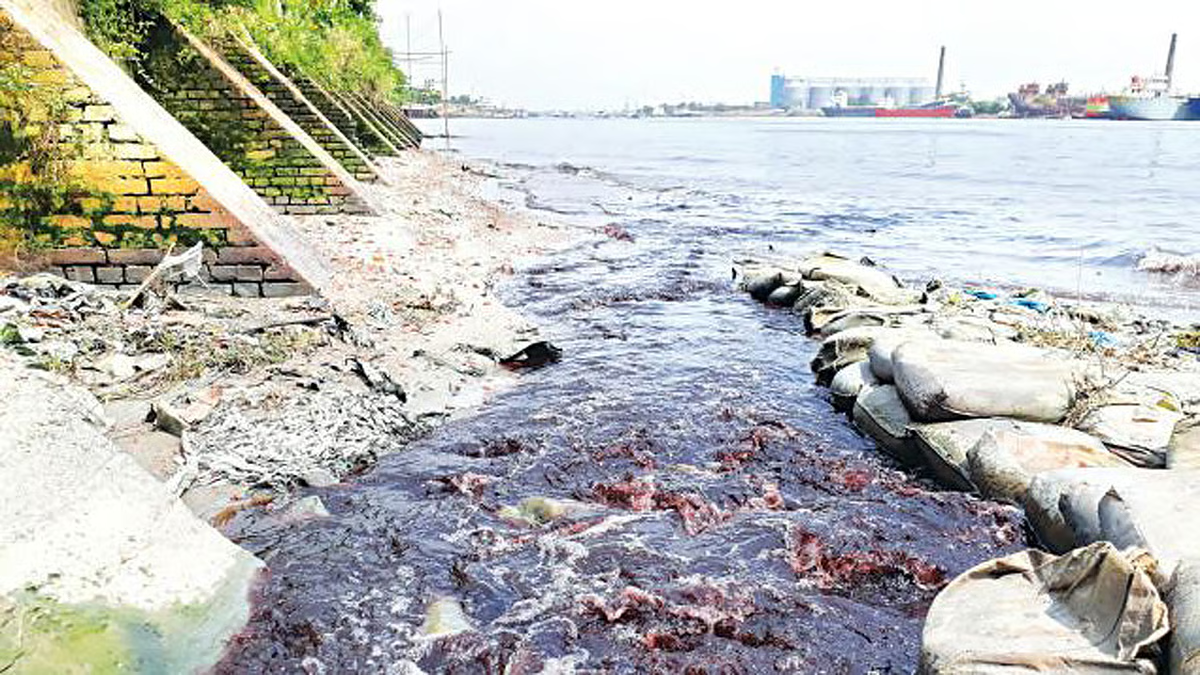








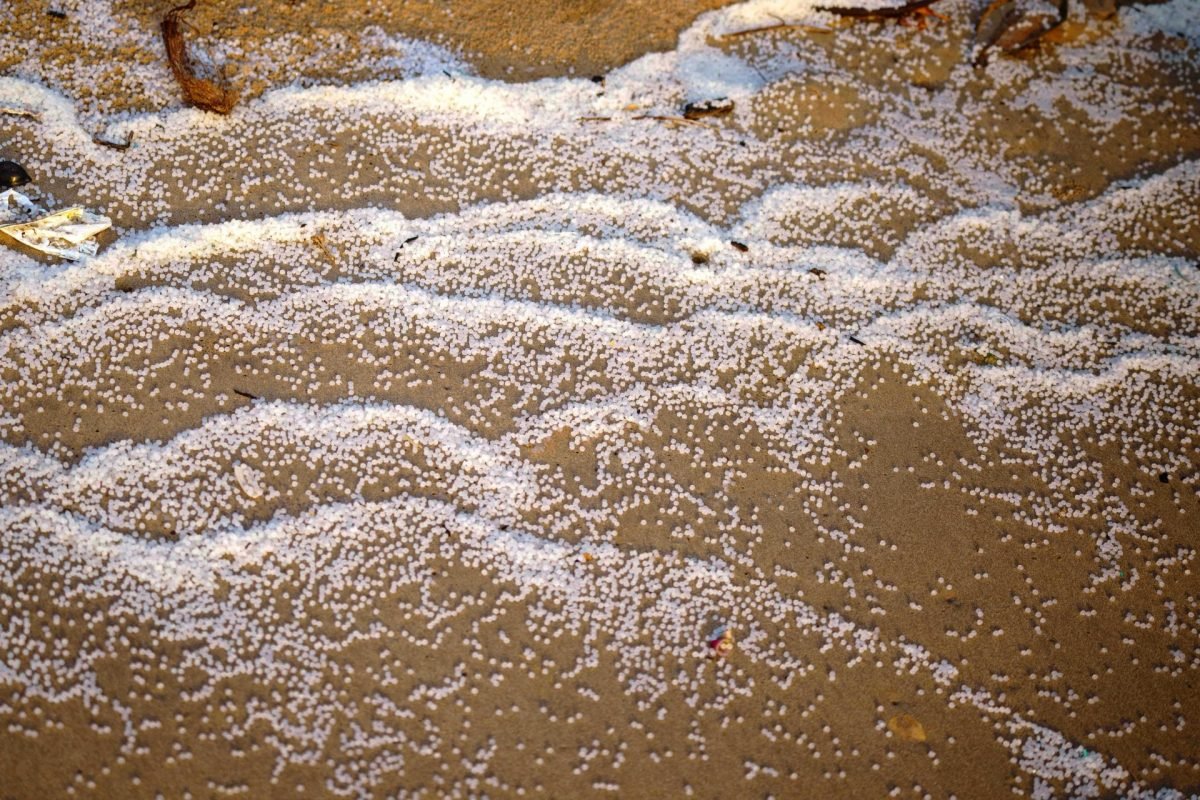
The serene coastline of the North East of England, a region defined by its rugged beauty and vital maritime heritage, has spent the last several months grappling with the aftermath of an environmental disaster. Following a vessel collision at the Port of Tyne this past July, an estimated 18 tonnes of plastic pellets—known in the industry as “nurdles”—were released into the river system. Months later, as the dust settles on the immediate crisis, the scale of the long-term challenge has become starkly clear.
Data released on 30 September 2026, compiled through research by Newcastle University and the Centre for Environment, Fisheries and Aquaculture Science (Cefas), confirms that recovery efforts have been largely overwhelmed by the sheer volume of the spill. Despite the heroic efforts of local communities and dedicated wildlife organizations, who have collectively contributed thousands of hours of manual labor to scour the region’s beaches, only 5.14 tonnes of the pellets have been recovered. This accounts for less than 30% of the total spillage, leaving a daunting majority of the plastic unaccounted for.
The implications for the local ecosystem are profound. The research indicates that the remaining nurdles have likely moved beyond the immediate confines of the Tyne estuary, dispersing into the wider North Sea. Scientists warn that this is not an event that will be “resolved” in the traditional sense; rather, the pellets will continue to wash up on coastlines periodically, driven by the capricious nature of tides, wind patterns, and storm surges. For those tasked with protecting the region’s biodiversity, this represents a permanent shift in the environmental landscape.
The official response to the disaster has come under scrutiny as the limitations of the cleanup become evident. Gary Kirsop, South Tyneside Council’s Director of Community Operations, has reiterated the commitment of the multi-agency group overseeing the recovery. However, North East Mayor Kim McGuinness has signaled a desire for systemic change, rather than merely reactive cleanup efforts. McGuinness has commissioned an independent review into the efficacy of the recovery response and is now advocating for stricter international regulations regarding the transportation of plastic pellets. “It’s vital the agencies involved in the clean up are ready and act quickly to continue their work when this happens,” McGuinness stated, highlighting a need for better preparedness in future industrial incidents.
Beyond the numbers and policy debates, the story of the summer was one of grassroots mobilization. Community members and groups like the Northumberland Wildlife Trust were the first line of defense, often working in challenging conditions to prevent the pellets from entering the food chain or causing further harm to local marine life. Yet, as the weeks turned into months, it became apparent that the relationship between these volunteers and the authorities was not always seamless. There have been persistent calls for greater support, resources, and coordination from official bodies, with volunteers occasionally feeling hindered in their efforts to manage the cleanup as they saw fit.
The Port of Tyne spill serves as a sobering reminder of the fragility of the marine environment and the devastating impact of industrial accidents. As the region looks ahead, the primary hope is that this crisis acts as a catalyst for reform. For the residents who hold the health of their rivers and seas as a personal responsibility, the lesson is clear: current response mechanisms are insufficient to combat the scale of modern maritime disasters. Whether through tightened international shipping laws or better-integrated partnerships between councils and local communities, the goal for the future must be to ensure that if the unthinkable happens again, the response is as effective and supported as the people who have worked so tirelessly to protect the coastline.
Disclaimer: This content is auto-generated for informational purposes only.
Source: Read Original News