








California’s push to transition its massive fleet of heavy-duty vehicles toward zero-emission technology has reached a critical juncture. As the state intensifies its regulatory landscape to meet ambitious climate goals—most notably the Advanced Clean Trucks (ACT) regulation—the Hybrid and Zero-Emission Truck and Bus Voucher Incentive Project (HVIP) has emerged as the primary financial engine driving this shift. Now, state officials and environmental advocacy groups are seeking direct feedback from fleet operators who have navigated the program to better understand the real-world complexities of electrification.
The HVIP program, administered by CALSTART under the oversight of the California Air Resources Board (CARB), was designed to bridge the significant price gap between traditional diesel-powered commercial vehicles and their battery-electric or hydrogen fuel cell counterparts. By providing point-of-sale vouchers, the state aims to reduce the “sticker shock” that often hinders smaller logistics companies, transit agencies, and municipal operators from committing to clean technology.
However, as the scale of adoption grows, so does the scrutiny regarding the program’s efficacy. While the number of zero-emission vehicles (ZEVs) on California roads is at an all-time high, industry stakeholders frequently cite hurdles that go beyond the initial purchase price. These include the logistical challenges of installing large-scale charging infrastructure, the lengthy lead times for grid interconnection, and the operational reliability of electric drivetrains in diverse climates and load profiles.
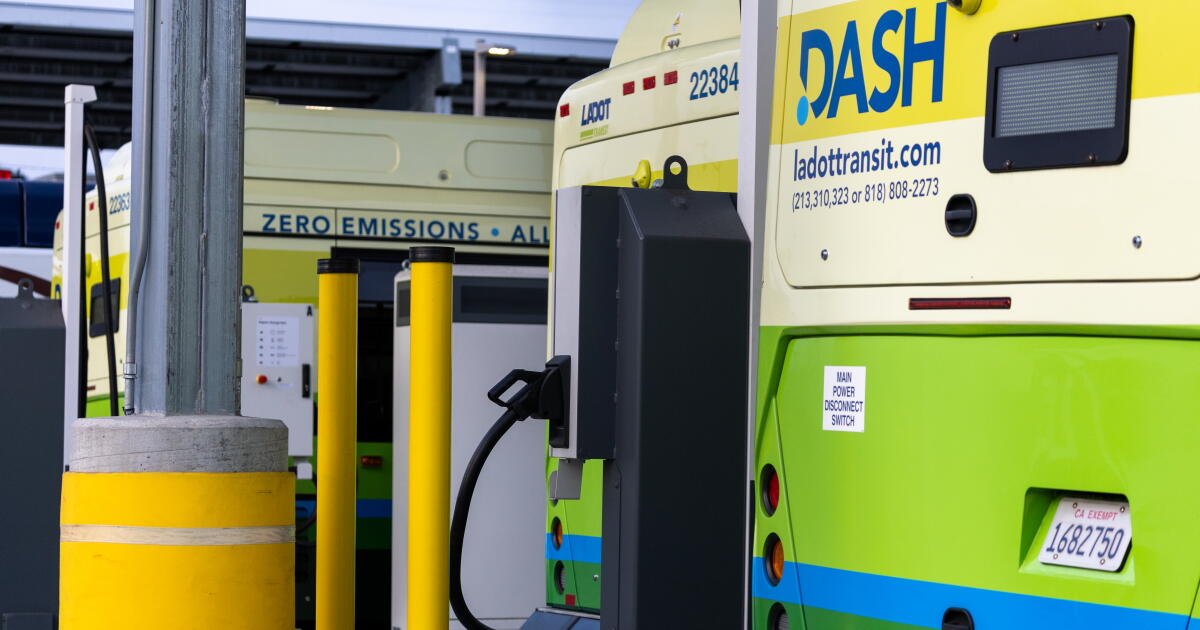
For many transit agencies and private fleet owners, the transition is not merely a budgetary exercise but a fundamental change to their business models. Integrating electric buses into a city transit network, for instance, requires a sophisticated overhaul of depot layouts and load management software to ensure that vehicles remain operational throughout the day without sacrificing service frequency. Similarly, long-haul trucking firms must contend with the limited range of current battery technology and the scarcity of public high-speed charging corridors along major interstate arteries.
In light of these challenges, there is a concerted effort to gather testimonials from those who have utilized HVIP funding. The goal is to collect qualitative data that complements the quantitative metrics of tons of greenhouse gas emissions avoided. Policymakers are interested in learning about the “lessons learned” during the implementation phase: Did the voucher process provide the expected level of support? How did the charging infrastructure deployment influence the overall transition timeline? What unforeseen operational roadblocks, if any, occurred once the vehicles were integrated into active service?
These narratives are essential for the future of state climate policy. As California moves toward its goal of having only zero-emission trucks and buses operating in the state by 2045, the feedback loop from actual users will inform how future incentive structures are designed. Refinements to the program could include more comprehensive support for infrastructure development, expanded training for maintenance technicians, or tiered incentives that address the specific needs of smaller, disadvantaged communities that are often disproportionately impacted by diesel exhaust.
The transition to zero-emission transport is arguably the most significant overhaul of the logistics and transit sectors in the last century. While technical specifications and financial incentives provide the framework for this change, it is the practical experiences of fleet managers and operators that will ultimately dictate the speed and success of the transition. By sharing their experiences, participants in the HVIP program are contributing to a clearer understanding of how California can balance its environmental mandates with the economic realities of running a modern, functional transportation network. Those who have utilized the program are encouraged to document their experiences—from the application process to the daily performance of their vehicles—as these stories hold the potential to shape the next generation of California’s clean energy policy.
Disclaimer: This content is auto-generated for informational purposes only.
Source: Read Original News