









Geopolitical Friction and the Economics of Global Energy Trade
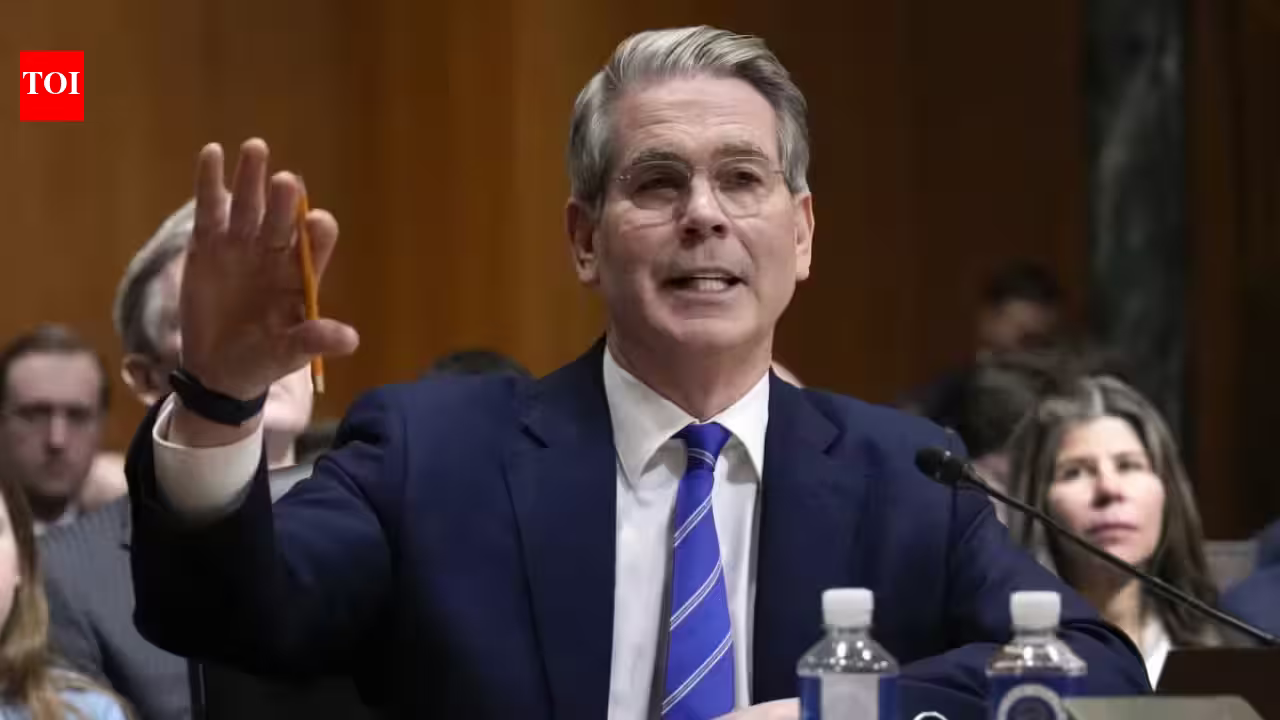
The recent remarks by US Treasury Secretary Scott Bessent regarding secondary tariffs on India and China highlight a deepening rift in international economic policy. By questioning why the United States should bear the unilateral burden of penalizing nations for purchasing Russian oil, the administration has signaled a shift toward a more transactional approach to foreign policy. This posture challenges the traditional framework of Western economic cooperation and places significant pressure on emerging economies like India, which must balance their energy security needs against the complexities of global sanctions regimes.
The core of the dispute lies in the Lindsey O. Graham Sanctioning Russia and Iran Act of 2026. This legislation contemplates tariffs of up to 100 percent on imports from nations identified as significant buyers of Russian crude oil and natural gas. For the Indian economy, which has navigated the global energy crisis by securing discounted Russian crude, these potential tariffs represent a major trade risk. The US administration’s recent decision to implement a 60-day pause on the enforcement of these provisions reflects an internal debate within Washington regarding the potential damage such measures could inflict on the global economy and the domestic American market.
The European Divergence and Transatlantic Strains
A significant component of Secretary Bessent’s argument is the perceived lack of support from European allies. While the US has sought a unified front to restrict Russia’s revenue streams, data suggests that European nations have continued to facilitate the flow of energy products derived from Russian crude. Bessent’s critique of European import volumes, particularly concerning shipments from facilities like Yamal, emphasizes a growing frustration with the perceived hypocrisy of Western partners who maintain energy consumption while simultaneously advocating for stringent sanctions.
From a market perspective, this friction reveals a lack of consensus on the long-term impact of energy decoupling. Europe’s ongoing dependence on specific energy supply chains, even as it pivots toward renewables and alternative suppliers, creates an uneven playing field. When the US Treasury points to billions of dollars in European energy imports from Russia, it effectively argues that the burden of economic warfare is being unfairly distributed. For India and other developing nations, these statements serve as a reminder that the global trade order is increasingly defined by the strategic interests of the world’s largest economies rather than a universally applied set of rules.
India’s Balancing Act in Energy Security
India’s position within this matrix is uniquely challenging. As one of the world’s fastest-growing energy consumers, the country has prioritized affordability and supply stability to maintain its industrial momentum. Secretary of State Marco Rubio’s acknowledgement that India requires time to diversify its energy sources reflects an understanding of the practical limitations of rapid sanctions implementation. Unlike the European market, which has had a longer period to integrate alternative energy infrastructure, India’s pivot away from traditional suppliers requires sustained investment in logistics and refinery capacity.
The potential imposition of secondary tariffs would threaten Indian exports to the US, creating an economic headwind for the manufacturing sector. However, the Indian government’s consistent position has been that its energy purchases are driven by consumer interests and the necessity to avoid domestic inflation. The ongoing dialogue between New Delhi and Washington is likely to focus on these pragmatic realities. While Indian-American lawmakers have raised concerns about the weakening of sanctions, the broader consensus in the Indian policy establishment remains fixed on maintaining strategic autonomy, ensuring that the country’s energy-buying decisions remain insulated from the specific political agendas of external powers.
The 60-Day Assessment Period and Global Market Stability
The 60-day waiver granted by the Trump administration provides a critical window for global markets to adjust and for diplomatic negotiations to take place. During this period, the US administration is expected to conduct a comprehensive analysis of how tariffs and sanctions would ripple through the global economy. Secretary Rubio’s comments underscore that this pause is not merely a diplomatic courtesy, but a technical necessity. The interconnectedness of global energy supplies—compounded by instability in the Middle East and the ongoing conflict in Ukraine—means that any sudden, aggressive application of tariffs could trigger volatility in crude prices that would ultimately hurt the US consumer as much as it impacts targeted nations.
For investors and businesses, this period of evaluation signifies a need for caution. The uncertainty surrounding future trade barriers creates a risk premium for companies with high exposure to US-India trade corridors. Businesses that rely on clear trade policy to manage supply chain logistics are currently operating in a high-stakes environment where tariff regimes could change based on the outcomes of these 60-day reviews.
Strategic Realignment and the Future of Sanctions Diplomacy
The evolving stance of the US administration also touches upon broader concerns regarding the efficacy of using the US dollar and trade access as tools of coercion. By questioning the alignment of European allies and distancing the US from an unconditional commitment to specific geopolitical narratives, the administration is pushing for a reorganization of the global economic architecture. This is a clear signal that the US is moving toward a strategy where its involvement in global security issues is tied to tangible economic concessions or burden-sharing from its partners.
Ultimately, the situation underscores the difficulty of maintaining a global consensus on the Russia-Ukraine conflict when national interests diverge so sharply. As the US assesses its next steps, the global economic community is witnessing a departure from multilateralism toward a more fragmented system. India’s success in managing this transition will depend on its ability to leverage its position as a key global buyer and its role in the shifting dynamics of global supply chains. The coming months will be a testament to whether diplomatic engagement can mitigate the risks of broad-based tariffs or if the global trade environment is headed toward a period of prolonged instability.
As the 60-day window closes, the expectation is that the US will likely seek a more targeted approach, balancing its desire to project strength against the necessity of global economic stability. For the business sector, this necessitates a robust strategy for navigating potential trade barriers while acknowledging that the geopolitical landscape is shifting rapidly, requiring agility and a focus on long-term supply chain resilience.
Disclaimer: This content is auto-generated for informational purposes only.
Source: Read Original News