







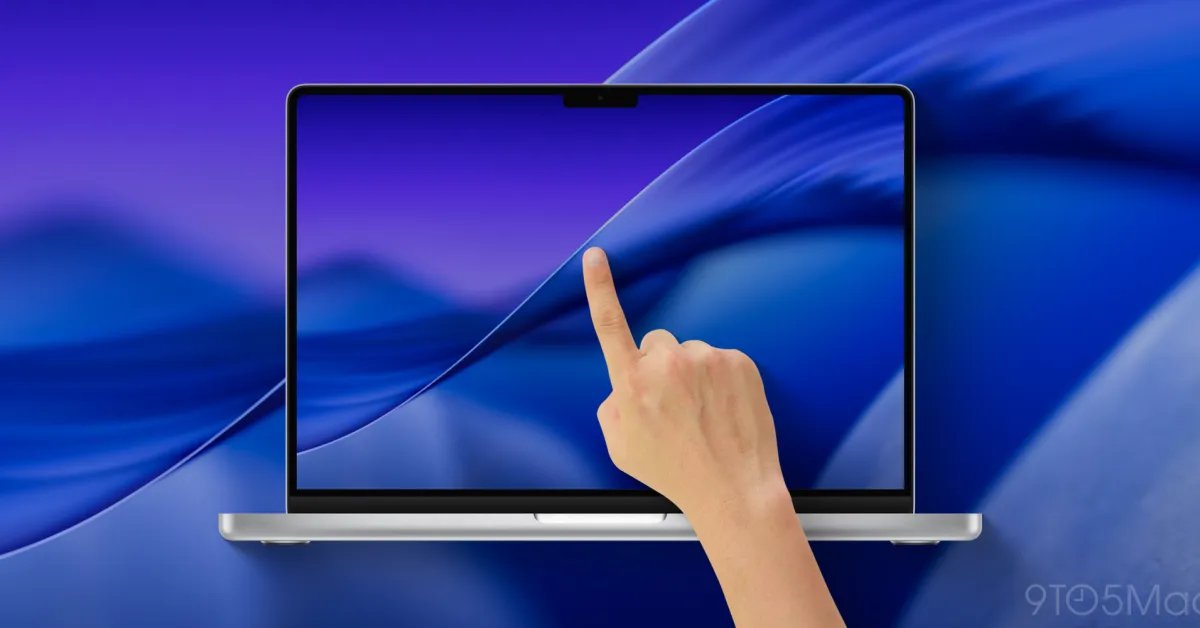
Apple is poised to break a decade-long tradition by introducing a touchscreen interface to its MacBook Pro lineup. For years, the company maintained that touch displays were ill-suited for the ergonomic demands of a vertical laptop screen. However, recent evidence from macOS 27—including specific enhancements to the Sidecar feature, native support for pull-to-refresh gestures, and enlarged menu bar elements—suggests a significant shift in design philosophy. This transition represents one of the most substantial hardware updates in the history of the Mac.
Integrating OLED and the Dynamic Island
The upcoming MacBook Pro is expected to feature a Tandem OLED display, marking a technical leap forward in visual fidelity. By stacking multiple layers of OLED panels, this display technology achieves deeper contrast levels, higher peak brightness, and improved color accuracy, mirroring the capabilities of the current high-end iPad Pro models.
Beyond the display panel itself, the hardware will incorporate the Dynamic Island into the macOS environment. While this feature has been a staple of the iPhone for years, its implementation on the MacBook Pro will be physically smaller. Notably, the hardware will not support Face ID, meaning the Dynamic Island will serve primarily as an interactive hub for system status, notifications, and background activity management rather than biometric authentication.
Software Interface Enhancements
The addition of a touchscreen is not merely a hardware change; it requires a complete rethinking of the macOS interface to ensure that touch interactions remain precise and useful. According to reports regarding internal development, Apple has designed a context-aware menu system. When a user interacts with a button or control, a menu will emerge surrounding the touch point, offering relevant command shortcuts tailored to the specific application.
Furthermore, the operating system will employ an adaptive logic system that learns from user behavior. By monitoring prior interactions, the software will surface the most pertinent controls automatically. This level of optimization extends to the top menu bar, where elements will dynamically scale in size when the system detects a finger touch, mitigating the risk of accidental input and ensuring that the interface remains navigable without the extreme precision required by a mouse cursor.
Hardware and Chipset Configuration
The release of this redesigned MacBook Pro brings a strategic shift in the internal roadmap. Although earlier rumors pointed toward the debut of the M6 Pro and M6 Max processors, Apple has reportedly accelerated its transition to 2nm chip technology. As a result, the first generation of touchscreen MacBooks will utilize the M5 Pro and M5 Max chips. This decision allows the company to focus its engineering resources on the development of the more advanced M7 architecture, which is projected to arrive in a base-model version of the redesigned MacBook Pro in the spring of 2027.
Despite the power contained within the M5 series, the device itself is expected to shed weight. Through a comprehensive re-engineering of internal components, the new chassis will be noticeably thinner and lighter than previous iterations. This focus on weight reduction aims to address the often-cited complaints regarding the bulkiness of recent Pro models, though engineers have had to balance these physical changes against the necessity of maintaining robust thermal management for high-performance computing.
The Transition to Market
The introduction of the touchscreen MacBook Pro is part of a broader, concentrated period of hardware launches scheduled for the end of the year. Following a series of late-October announcements, industry observers and supply chain reports point to a retail availability date of November 6th. This timing coincides with planned retail store resets on the evening of November 5th, where store staff will prepare displays for the arrival of new hardware.
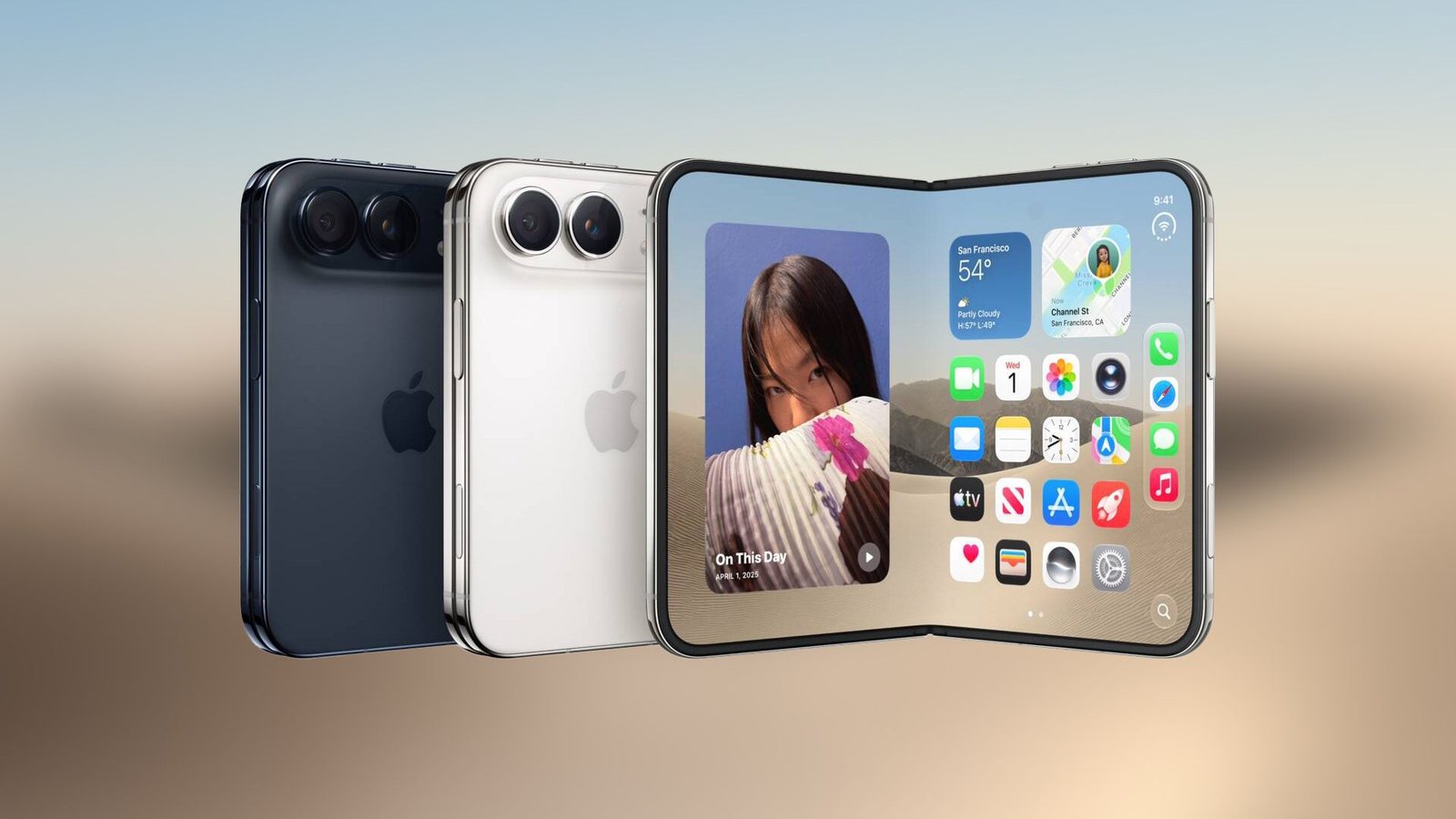
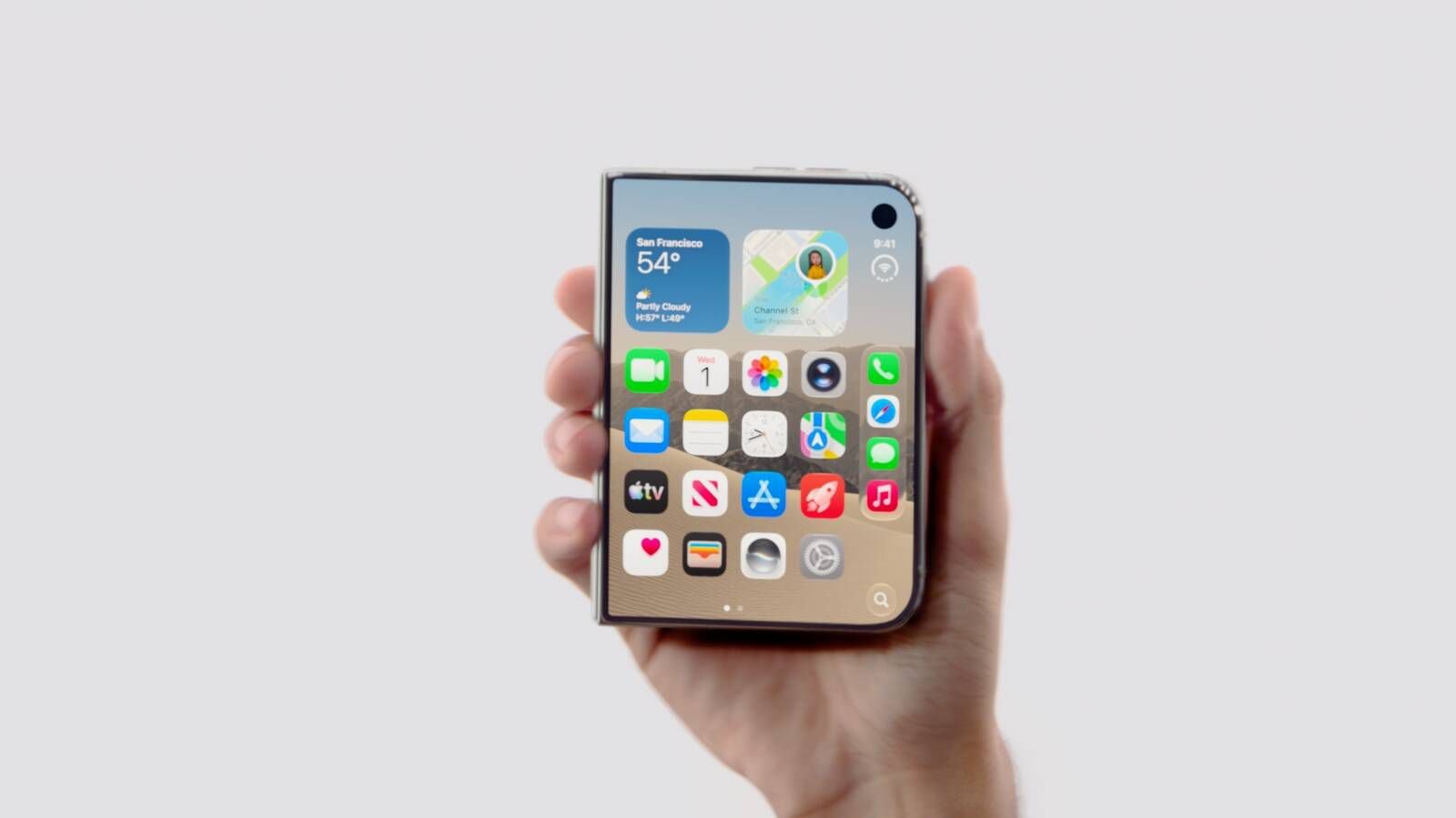
This release schedule appears to be part of an aggressive four-week rollout, covering a diverse array of new hardware, including the iPhone Duo, the second-generation HomePod mini, and the new HomeView interface alongside an updated Apple TV 4K. By grouping these releases, Apple aims to consolidate its holiday-season marketing and ensure that the groundbreaking touchscreen MacBook remains the centerpiece of its end-of-year lineup. For users who have long waited for a convergence of iOS-style touch interactivity and the professional-grade power of macOS, this November launch marks a pivotal evolution in the company’s product ecosystem.
Disclaimer: This content is auto-generated for informational purposes only.
Source: Read Original News