








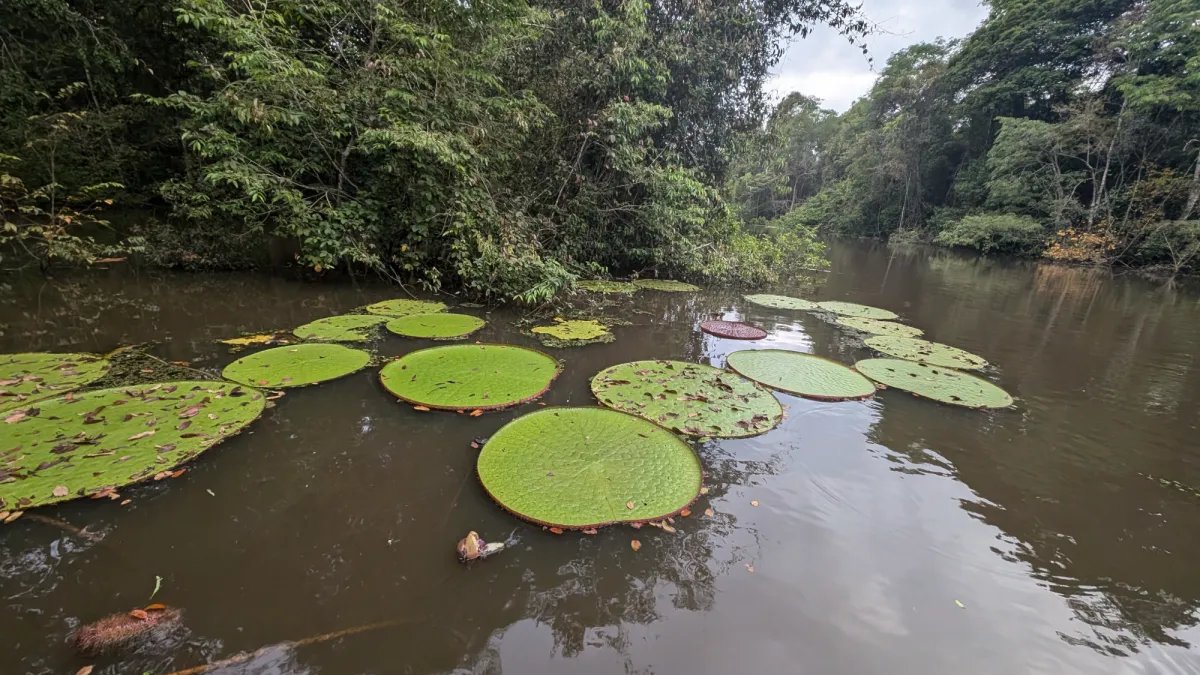
A chance encounter on social media has led to the discovery of a new, exceptionally rare species of giant water lily, underscoring the vital role that collaborative, interdisciplinary research plays in modern botany. The new species, Victoria colombiana, was identified in the remote waters of the Inírida River in Guainía, Colombia, after a botanical expert spotted suspicious images on Instagram.
In December 2021, Colorado-based carnivorous plant grower Jeremiah Harris shared photographs of water lilies he had observed in the Colombian wilderness. For Carlos Magdalena, a renowned botanical and scientific research horticulturist at the Royal Botanic Gardens, Kew, the images were puzzling. There were no previously recorded Victoria water lily species in that specific region.
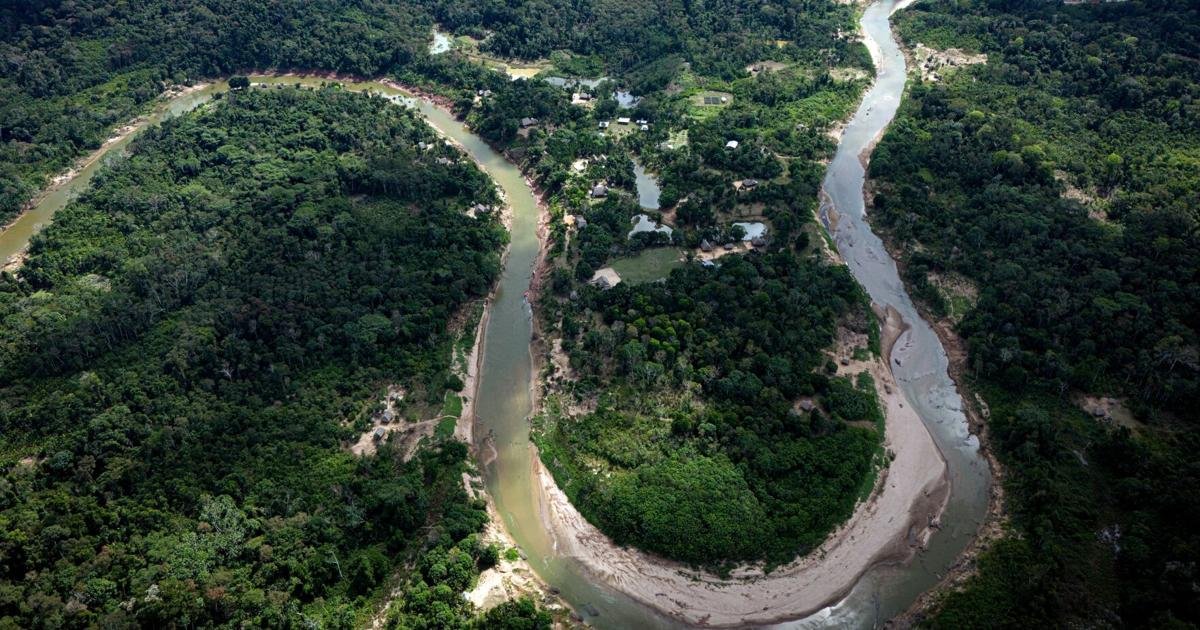
Intrigued, Magdalena turned to satellite imagery to conduct a remote survey of the Inírida River and its surrounding lakes. The satellite data confirmed the presence of large, floating vegetation—a testament to the sheer scale of the plants, which produce the second-largest single leaves in the plant kingdom.
Following this confirmation, a five-day expedition was launched, featuring a team of researchers and members of the local Indigenous reserves del río Atabapo. The expedition faced significant logistical challenges; by the final evening, the team had located only two specimens, both of which lacked the flowers necessary for formal taxonomic classification. Furthermore, the plants appeared to be struggling under the conditions of a late rainy season.
The breakthrough came from local ecological knowledge. When Magdalena shared his dilemma with the expedition’s boat captain, Gustavo Melo—a member of the Indigenous Tucano community—Melo identified a nearby lake where more specimens thrived. In the early hours of the morning, under a tight deadline to catch a flight to Bogotá, the team reached the lake and found five additional Victoria plants, one of which was in bloom.
“This is one of those extraordinary stories where indigenous and horticultural knowledge with the help of social media and technology came together to uncover a truly extraordinary botanical achievement,” Magdalena noted in a statement.
The successful collection of samples allowed the team to scientifically describe Victoria colombiana. Their findings, published in the journal Phytotaxa, also detailed the discovery of a second new species, Victoria mattogrossensis.
However, the jubilation of discovery is tempered by the plant’s precarious status. Researchers estimate that the wild population of V. colombiana consists of only 30 to 50 individuals, making it highly vulnerable to extinction. The team is currently working to have the species formally categorized as Critically Endangered on the IUCN Red List.
Beyond the immediate goal of formal protection, experts are discussing strategies to preserve the species, including the creation of a naturalized population in a more accessible lake within Indigenous territory and efforts to cultivate the plant in Bogotá.
“Now that we know this water lily exists, our responsibility is to understand it better and protect it,” said Magdalena. “With so many plants in the wild threatened with extinction, we simply cannot wait any longer to take action.”
Disclaimer: This content is auto-generated for informational purposes only.
Source: Read Original News