








EU Leaders Convene for Emergency Summit Amid Escalating Geopolitical Tensions
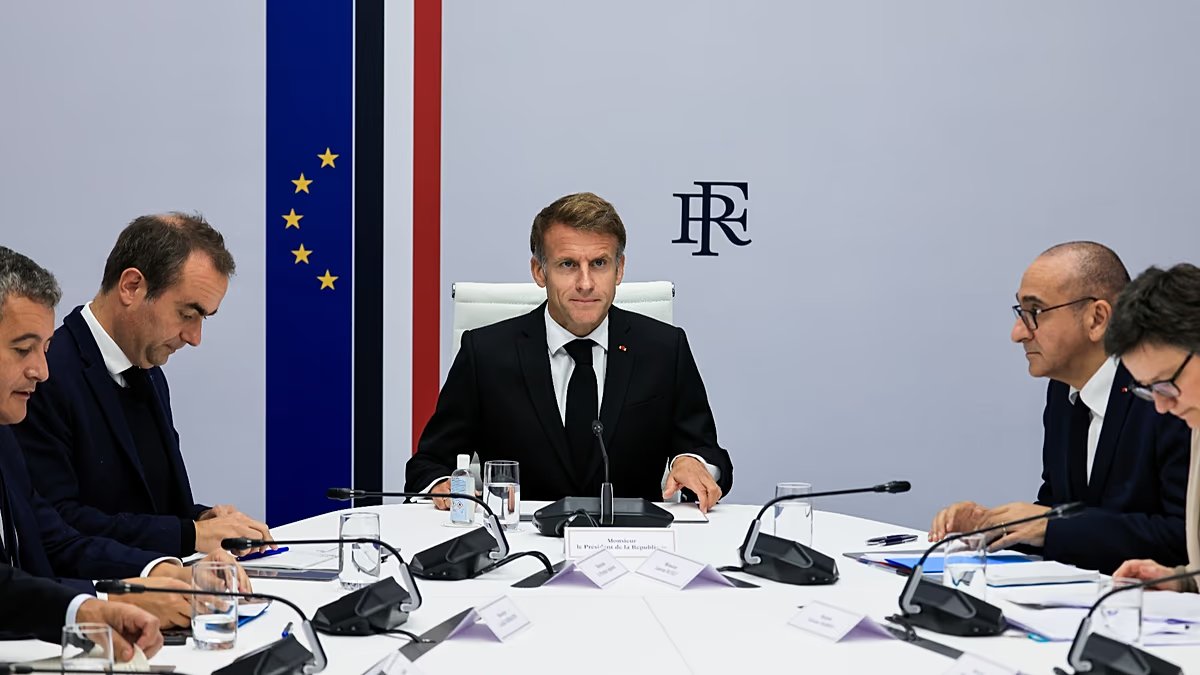
BRUSSELS — European Union heads of state are gathering in Brussels this morning for an emergency summit, as the bloc grapples with a convergence of crises threatening to reshape the continent’s economic and security landscape. The high-stakes meeting, convened by European Council President Charles Michel, follows a night of intensive diplomatic maneuvering and signals a pivot toward a more unified, assertive European policy.
At the top of the agenda is the intensifying volatility in energy markets and the ongoing efforts to bolster regional defense capabilities. With supply chains facing renewed pressure and a shifting landscape in Eastern Europe, member states are under mounting internal and external scrutiny to present a cohesive front. Diplomats inside the European Commission suggest that the primary goal of today’s proceedings is to finalize a long-term strategy for energy independence, moving away from volatile international dependencies toward a sustainable, domestic-led infrastructure.
“We are at a defining moment,” said a senior EU official ahead of the morning session. “The decisions taken within these walls over the next forty-eight hours will dictate the economic resilience of our citizens for the next decade. There is a clear recognition that incremental change is no longer sufficient.”
The summit also arrives against the backdrop of significant social unrest across several member states, driven by the lingering effects of inflation and the cost-of-living crisis. While the primary focus remains on security and economic strategy, leaders are expected to debate new measures to support vulnerable households. However, fiscal hawks within the bloc have already signaled resistance to large-scale spending packages, highlighting the friction between national sovereignty and the collective interests of the union.
Beyond European borders, the bloc is closely monitoring global trade developments. In Washington and Beijing, reactions to today’s summit are being watched by market analysts who expect the EU to announce a formal position on revised trade regulations, particularly regarding critical minerals and digital technology. The European perspective, which prioritizes strict regulatory standards and human rights, is expected to be reinforced, setting the stage for what many predict will be a challenging diplomatic autumn.
The business sector remains cautious, with market indices showing a trend of volatility as investors await concrete outcomes from the plenary sessions. Beyond the finance and security sectors, the summit will also touch upon the cultural implications of recent migration shifts, a topic that has historically proven to be the most divisive for the 27-nation bloc.
As the leaders settle into their deliberations, the streets outside the European Council headquarters remain heavily guarded. For millions of Europeans, the outcome of this summit is not merely a bureaucratic exercise; it is a vital indicator of whether the European project can remain a stable, independent, and influential actor in an increasingly fractured world.
The summit is scheduled to conclude tomorrow evening with a joint press conference, where the European perspective on these multifaceted challenges will be made clear to the public.
Disclaimer: This content is auto-generated for informational purposes only.
Source: Read Original News