







A Strategic Cascade of Apple Hardware Releases
As the final quarter of 2026 unfolds, Apple is orchestrating a rapid-fire series of product launches that signals a major refresh across its computing, mobile, and smart home portfolios. Recent reports indicate that the company is planning a sustained release cycle spanning four consecutive Fridays, beginning in late October and extending through mid-November. This approach represents a departure from traditional single-day keynote events, allowing each product category to command distinct market attention.
The anticipated lineup covers a broad spectrum of utility, ranging from mobile processing power and advanced display technologies to the expansion of the interconnected smart home ecosystem. By staggering these releases, Apple aims to maintain a constant presence in the consumer technology landscape throughout the most critical shopping window of the year.
The Leap to M6 Architecture and OLED Integration
Central to the upcoming November 6 release is the anticipated introduction of the M6 silicon. As the successor to the M5 series, the M6 is expected to push the boundaries of energy efficiency and computational throughput. While technical specifications remain proprietary until the official unveiling, industry expectations suggest significant improvements in both the high-efficiency and performance-oriented cores. This jump in processing power is slated for the 14-inch MacBook Pro and the refreshed iMac desktop models.
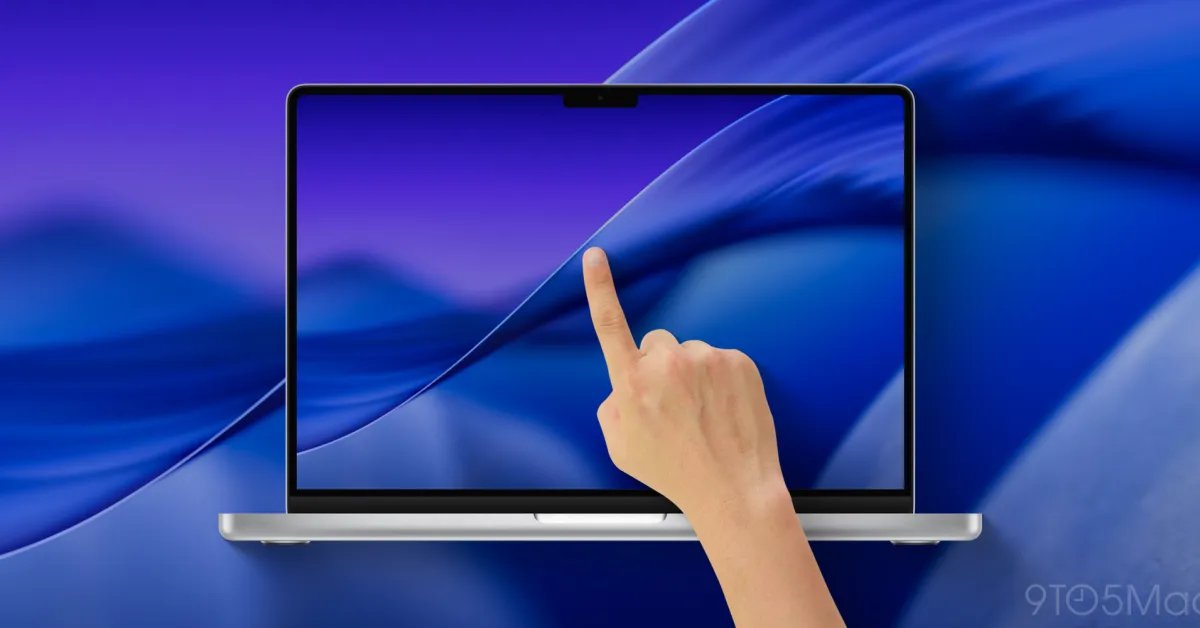
Perhaps more significant is the reported shift toward OLED display technology for the MacBook Pro series. OLED panels provide superior contrast ratios, deeper blacks, and more precise light control compared to the current Liquid Retina XDR (Mini-LED) setups. For creative professionals, this transition promises improved color accuracy and energy efficiency, particularly when rendering complex visual assets. Integrating OLED into the MacBook Pro lineup suggests that Apple is positioning these machines as the definitive tools for high-end digital design and content production.
Advancements in the iPad Mini Ecosystem
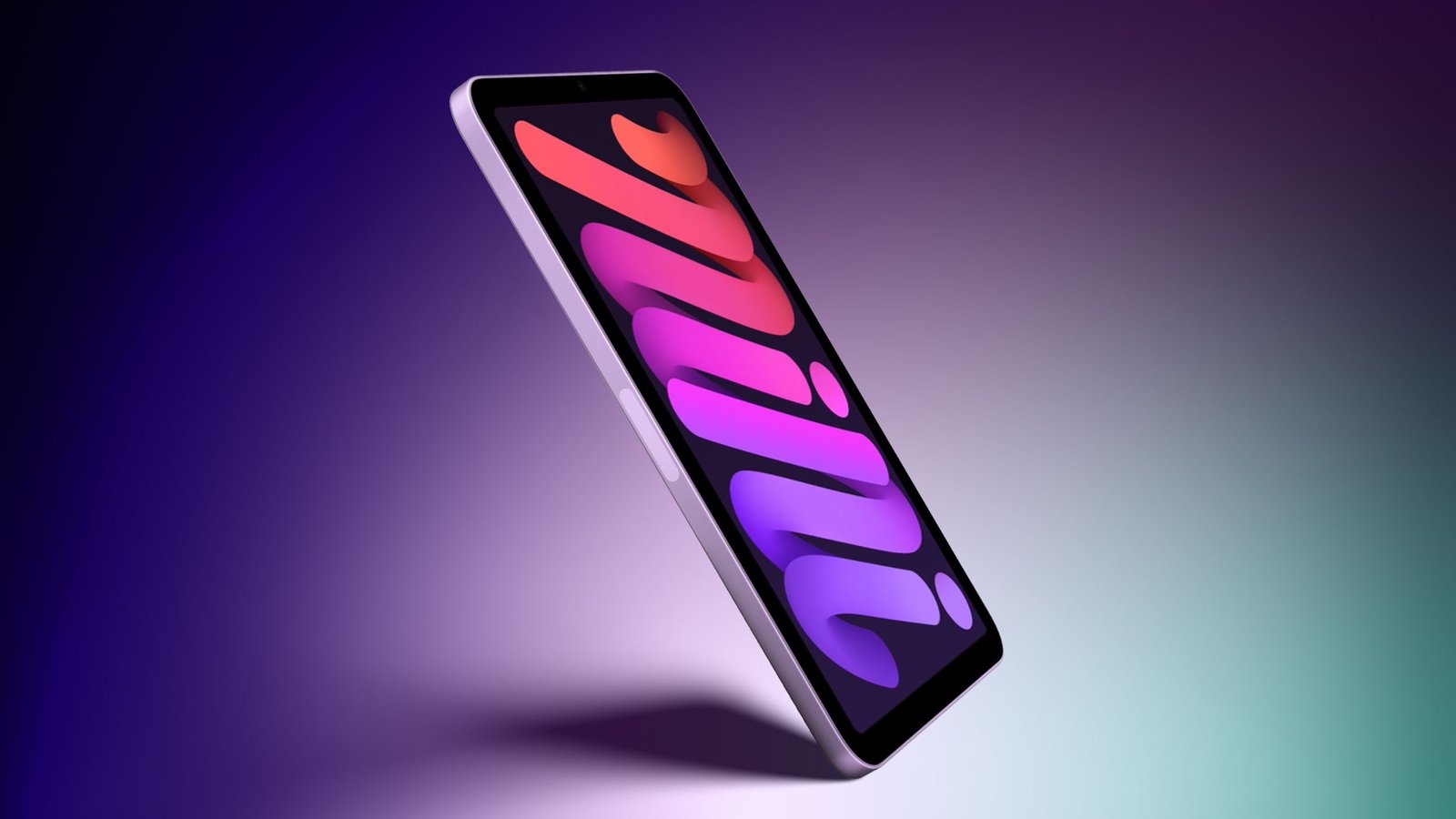
The rumored iPad mini 8 brings its own set of improvements, with the most notable addition being an OLED display. For a device characterized by its portability, the shift to OLED is a logical enhancement. The smaller form factor of the iPad mini has long been favored by pilots, surgeons, and digital artists who require a high-quality screen that fits in a pocket or specialized equipment mounting.
An OLED panel will likely improve visibility under various lighting conditions, a critical requirement for a device often used on the go. Alongside the display improvements, it is expected that the internal components will be upgraded to ensure the iPad mini remains compatible with the latest generative AI features and multitasking demands of iPadOS. This update serves to keep the device relevant in a market that is increasingly focused on the intersection of artificial intelligence and compact hardware.
Expanding the Smart Home with HomeView and HomePod Mini 2
Apple’s efforts to solidify its presence within the domestic sphere are manifested in the release schedules for the HomePod mini 2 and the recently announced HomeView smart home hub. The HomeView, a hardware device featuring a 7-inch Liquid Retina display, is engineered to act as a centralized command station. By utilizing facial recognition, the HomeView can transition between different user profiles, effectively providing a personalized experience for each member of a household. This represents a significant evolution from passive smart speakers to an active, identity-aware interface.
The HomePod mini 2 is also slated for an October 30 release, aiming to refine the audio quality and connectivity standards established by its predecessor. With the HomeView acting as a hub, the HomePod mini 2 will likely integrate more deeply into a unified network, serving as a distributed endpoint for audio and Siri-based interactions. The collective strategy suggests that Apple is prioritizing seamless interoperability, ensuring that hardware acts as a cohesive unit rather than as isolated devices.
Impact on the Professional and Consumer Markets
The cumulative impact of these releases is likely to be substantial, particularly for users invested in the Apple ecosystem. For the professional segment, the rollout of M6-equipped machines and OLED displays addresses long-standing requests for hardware that bridges the gap between raw performance and visual fidelity. The increased computational overhead provided by the M6 chip will be particularly beneficial for users engaged in machine learning workflows, 3D rendering, and high-resolution video editing.
For the average consumer, the release cycle offers a modernized entry point into Apple’s latest smart home and mobile standards. The decision to spread these products across four Fridays allows for clearer messaging, ensuring that the unique features of the HomeView, the iPad mini 8, and the updated MacBook Pros are not lost in a single deluge of specifications. As these products hit the shelves, they will collectively define the technological benchmark for the company as it moves into the next calendar year, setting the stage for subsequent software integrations that will leverage this new, more powerful hardware foundation. The rapid sequence of launches ensures that Apple remains the primary focus for technology enthusiasts during the busiest retail period of the year.
Disclaimer: This content is auto-generated for informational purposes only.
Source: Read Original News