







The Mechanics of Rupee Resilience in a Volatile Macro Environment
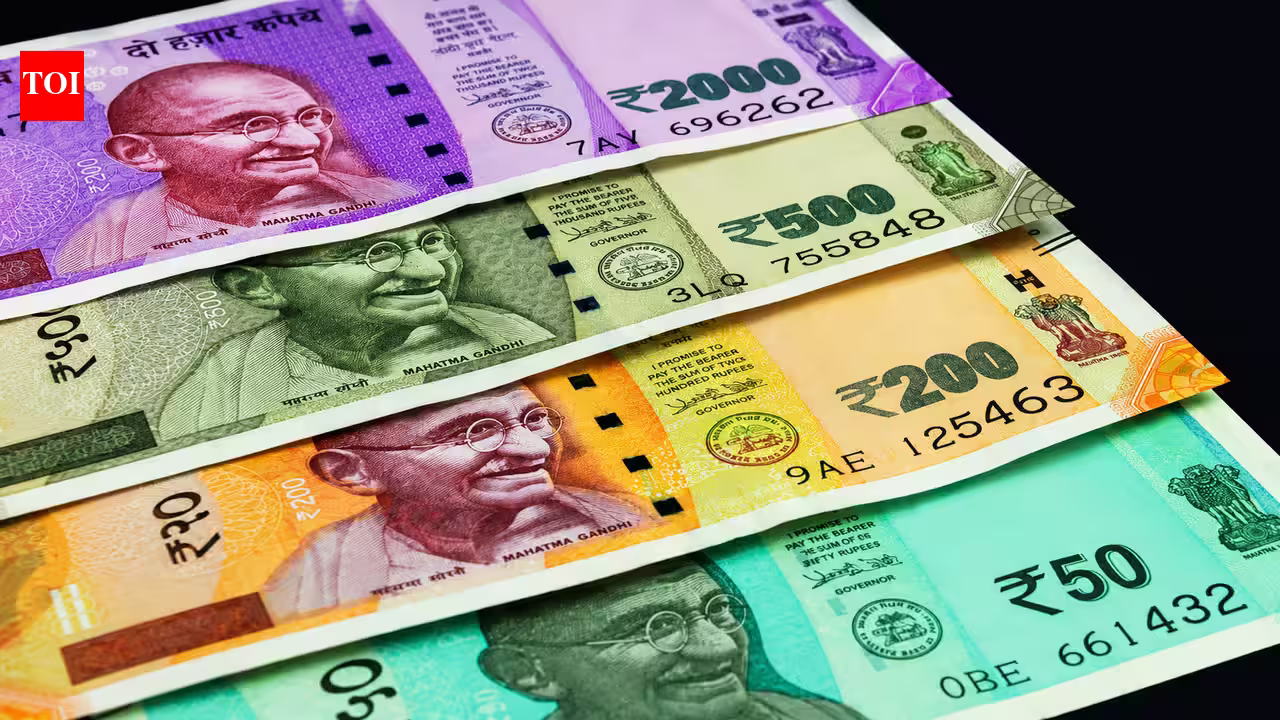
The Indian Rupee has recently demonstrated a notable recovery, inching toward the 94-level against the US Dollar. This performance marks the third consecutive session of gains, a trend that has captured the attention of both domestic and international market participants. While the immediate optics suggest a strengthening currency, a deeper examination of the macroeconomic indicators reveals a complex landscape characterized by a persistent tug-of-war between structural central bank interventions and external global pressures.
The current movement of the rupee is not merely a reflection of domestic economic health but a response to a calibrated strategy employed by the Reserve Bank of India (RBI). By engaging in structural forex interventions, the central bank is actively preventing rapid depreciation, thereby fostering a sense of relative stability in a period marked by high global volatility. However, this stability remains fragile. The currency’s trajectory is currently caught in a narrow range of 94.80 to 94.70, and analysts suggest that while a sustained break below 94.80 could pave the way for further appreciation toward the 94.00 mark, the path is fraught with significant obstacles.
The Persistent Shadow of Crude Oil and Energy Geopolitics
The most formidable headwind to the Indian Rupee’s appreciation is the persistent elevation of crude oil prices. As a net importer of energy, India is structurally vulnerable to fluctuations in the global oil market. The recent surge in Brent crude—driven by geopolitical tensions near the Strait of Hormuz, threats to critical energy infrastructure, and general supply-chain anxieties—acts as a direct drain on India’s foreign exchange reserves.
Even though Brent crude has experienced minor corrections, trading near the $107 per barrel mark, the underlying instability remains a profound risk. High oil prices increase the country’s import bill, leading to a wider current account deficit. This forces the RBI to utilize its dollar reserves to balance demand and supply in the forex market, effectively creating a ceiling for how much the rupee can realistically gain. The correlation between oil prices and the Indian currency is inverse and immediate; any sustained surge in energy costs historically offsets the positive sentiment generated by strong foreign investment flows, keeping the rupee under persistent structural strain.
Analyzing Foreign Institutional Flows and Domestic Equity Performance
The relationship between the rupee and the domestic equity markets presents a nuanced narrative. While foreign institutional investors (FIIs) have shown intermittent interest, as evidenced by their net buying positions in recent sessions, the broader equity market indices, such as the BSE Sensex and NSE Nifty50, have shown signs of exhaustion. The divergence between positive FII activity and downward pressure on indices suggests that investors are increasingly sensitive to global interest rate narratives, particularly the rising yields on US Treasury bonds.
Rising US yields draw capital away from emerging markets, as investors favor the relative safety and attractive returns offered by the dollar-denominated assets. This capital flight exerts downward pressure on the rupee. However, the fact that FIIs returned as net buyers indicates that India remains an attractive destination for long-term capital, provided the valuation gap is favorable. The challenge for policymakers lies in maintaining this appeal while managing the inflationary pressures brought on by a weaker rupee. The RBI’s balancing act involves ensuring that the currency remains competitive for exporters while preventing the imported inflation that naturally follows a depreciating currency.
Forex Reserves: Navigating the Depletion Trend
A critical metric for assessing the health of the Indian economy is the status of its foreign exchange reserves. Recent data indicates a concerning trajectory, with reserves declining by over $8 billion in a single week, following an even larger contraction in the preceding period. This depletion is primarily a result of the RBI’s interventionist policies aimed at stemming the volatility in the rupee.
While a high level of reserves is intended to serve as a buffer against external shocks, the rapid drawdown reflects the severity of the pressure on the currency. When the rupee faces downward pressure due to a strong dollar or rising oil prices, the RBI steps in to sell dollars from its reserves. While this provides temporary relief, it is a finite tool. Analysts are observing this trend closely, as the sustainability of the rupee’s current recovery depends heavily on whether these reserves can be replenished through sustained capital inflows and stabilized export-import balances. The current volume of reserves—still substantial at over $720 billion—provides a strong safety net, yet the pace of recent depletion serves as a signal for the need for fiscal prudence and structural economic reforms.
Strategic Outlook: The Road Toward 94.00 and Beyond
Looking ahead, the movement of the USD-INR pair will be defined by the confluence of global geopolitical stability and domestic liquidity management. If the currency successfully consolidates below the 95.00 mark, it could signify a pivot in market sentiment. However, the technical levels of 94.80 to 94.70 are critical. A failure to hold these levels under persistent pressure could see a reversal, leading the currency back into a weaker band.
Market participants should maintain a cautious outlook. The interplay between the US Federal Reserve’s interest rate policy and India’s domestic inflation figures will ultimately dictate the direction of the dollar index. If the dollar maintains its strength globally, the rupee will find it difficult to post significant gains, regardless of domestic sentiment. Consequently, for businesses operating in India, hedging strategies remain essential. Relying solely on the prospect of a strengthening rupee is risky given the volatility in energy markets.
In conclusion, the rupee is navigating a period of intensive testing. The RBI’s active management has thus far prevented a worst-case scenario of currency devaluation, but the external environment remains unpredictable. The Indian economy stands at a crossroads where the resilience of its currency is tied inextricably to global energy security and the ability of domestic policymakers to attract non-volatile, long-term foreign capital. For the remainder of the quarter, stakeholders should focus on the stability of crude oil futures and the RBI’s weekly forex reserve updates as the primary indicators of where the rupee is headed. The current gains are encouraging, but long-term stability requires the alignment of broader macroeconomic variables that remain, for now, in a state of flux.
Disclaimer: This content is auto-generated for informational purposes only.
Source: Read Original News