








The Shift Toward a Split Release Schedule
The trajectory of Apple’s hardware cycle is undergoing a significant transformation in 2027. Moving away from the traditional singular launch window in September, the company is solidifying a split release strategy. This approach allows Apple to segment its portfolio, ensuring that core mobile devices receive dedicated attention during the spring, while premium flagship innovations are reserved for the autumn season. This strategic pivot aims to manage manufacturing pipelines more effectively while providing consumers with distinct purchasing windows throughout the calendar year.
Spring 2027: The iPhone 18 and 18e Launch
The spring cycle introduces the base-tier iPhone 18 and its companion, the iPhone 18e. The primary focus for the standard iPhone 18 is a series of internal refinements. Key improvements include a boost in RAM to support more intensive computational photography and background processing tasks. Additionally, the integration of the Apple C2 modem is expected to enhance connectivity stability and energy efficiency compared to previous hardware iterations.
Thermal management remains a focal point for the engineering team. By optimizing the internal layout, the iPhone 18 aims to maintain sustained performance during heavy workloads. Meanwhile, the iPhone 18e serves as the entry-level offering, functioning primarily as a bridge between older design generations and the current Apple Silicon standard, likely transitioning to the A20 chip to ensure parity with the rest of the lineup. These devices are projected to maintain a starting price point of $899, reflecting the cost-adjustment cycle initiated with the prior generation.
The Evolution of the iPhone Air 2
One of the most anticipated releases in the spring lineup is the successor to the original iPhone Air. The first model faced a muted reception, prompting Apple to return to its design specifications. The most significant correction for the iPhone Air 2 is the incorporation of an ultrawide camera module. While some users may debate the necessity of this feature, the shift addresses a market perception gap, as multi-lens configurations are standard expectations for modern smartphone consumers.
Beyond the optical hardware, the iPhone Air 2 is rumored to receive a battery capacity increase to approximately 3500mAh, representing a 10% gain in energy density. The device is also expected to transition to the C2 modem, providing improved networking performance. Design-wise, the model may adopt a refined, smaller Dynamic Island, aligning it closer to the aesthetic language used in the current Pro series, thereby positioning it as a more compelling mid-range candidate for consumers who prioritize portability without sacrificing essential photographic capabilities.
Celebrating Two Decades: The iPhone 20 Pro
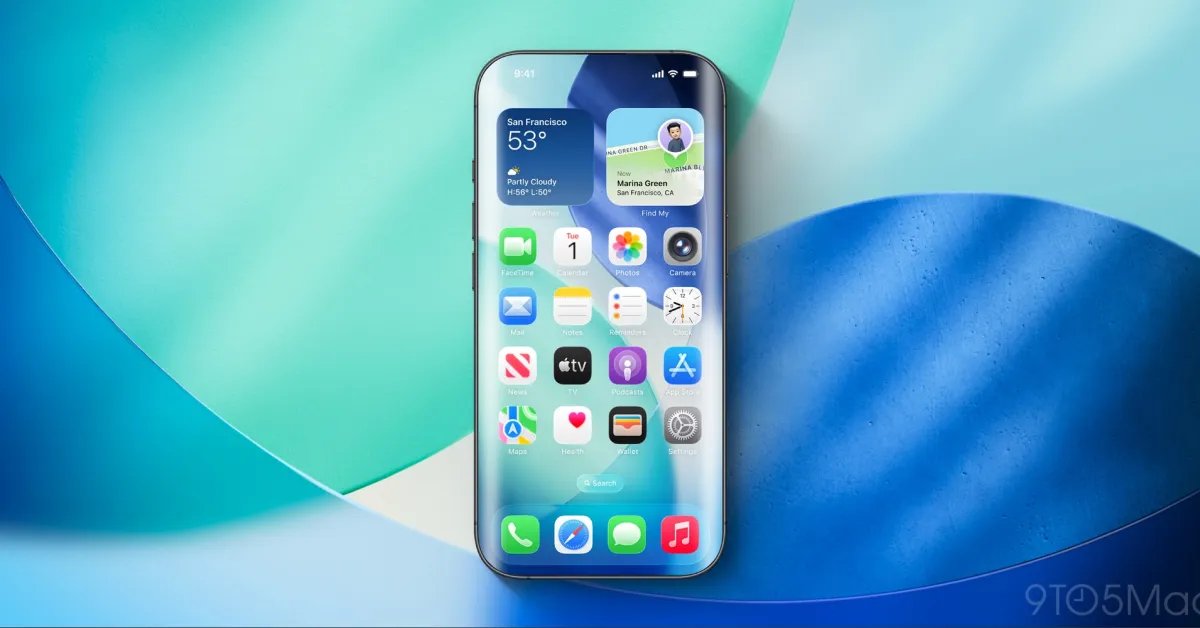
Fall 2027 marks the 20th anniversary of the iPhone, an occasion that demands a substantial departure from existing design languages. Industry reports suggest that the iPhone 20 Pro will serve as a showcase for architectural innovation. The device is expected to feature a more expansive use of glass, moving away from the industrial flat-edge aesthetic introduced with the iPhone 12. This change, combined with significantly slimmer bezels, aims to provide an edge-to-edge display experience.
Technological advancements for this flagship model include the integration of under-display Face ID and a minimal hole-punch camera, allowing for a much smaller Dynamic Island footprint. These adjustments are not merely cosmetic; they represent a move toward a more seamless, unified hardware design. Despite concerns regarding thermal performance in thinner, glass-heavy enclosures, Apple appears confident that its recent advancements in thermal regulation will sustain the high-performance demands placed on the device’s internal silicon.
Future-Proofing with the iPhone Duo 2
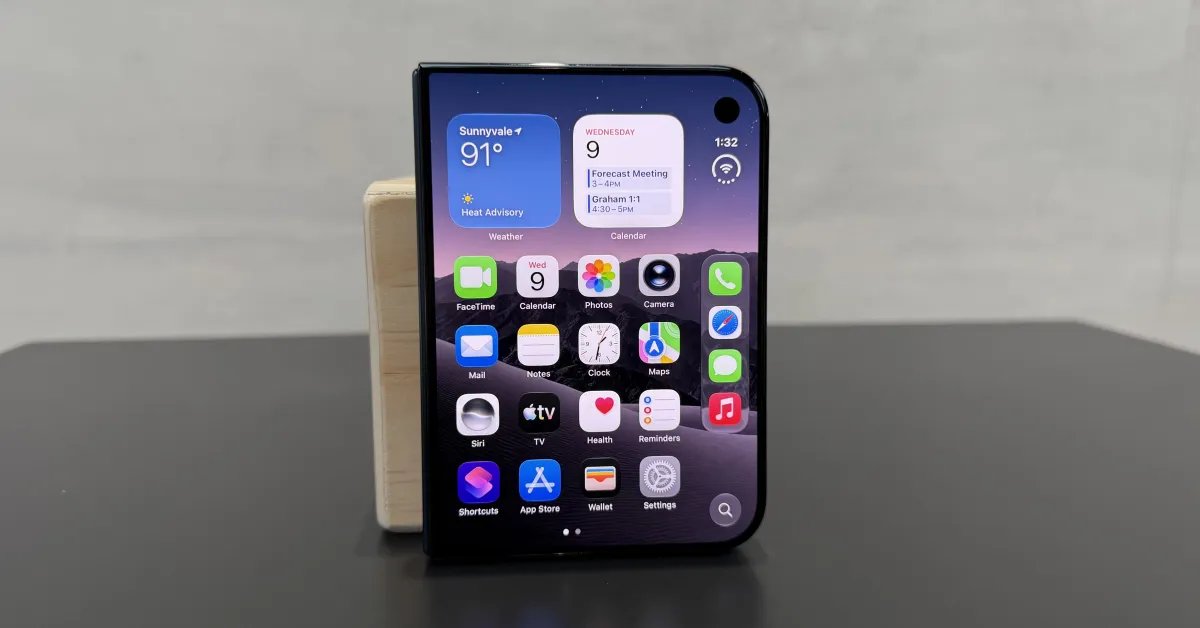
As the market adjusts to the introduction of the dual-screen form factor, the autumn season will also see the release of the iPhone Duo 2. This device is intended to refine the category, focusing on stability and user interface integration. While information regarding specific hardware upgrades remains sparse, the industry anticipates improvements in camera sensor arrays and refined folding mechanics to reduce the visibility of the display seam.
Under the hood, the iPhone Duo 2 will likely debut the A21 Pro chip, continuing the tradition of leveraging the most advanced Apple Silicon available at the time of release. By iterating on the original Duo, Apple is signaling a long-term commitment to this niche, aiming to demonstrate that the unique form factor can support both professional-grade photography and advanced multitasking workflows. As the product ecosystem matures, these devices will rely heavily on software optimization to ensure the hardware experience remains fluid across both active display areas.
Disclaimer: This content is auto-generated for informational purposes only.
Source: Read Original News