








India’s Tour of New Zealand: A Comprehensive Review of the Multi-Format Battle
The recent bilateral series between India and New Zealand provided cricket enthusiasts with a masterclass in skill, temperament, and tactical evolution. Spanning two Tests, five One Day Internationals (ODIs), and five Twenty20 Internationals (T20Is), this grueling tour tested the depth of both squads across the varied conditions of the Southern Hemisphere. As the dust settles, the series stands as a definitive chapter in the ongoing rivalry between these two cricketing powerhouses.
T20I Dominance and Tactical Flair
The white-ball leg of the tour kicked off with a flurry of high-octane T20I encounters. India, known for their explosive batting lineup, looked to assert dominance early. The five-match series saw a blend of aggressive power-hitting and astute bowling changes. India’s ability to defend modest totals in the windy conditions of New Zealand showcased their improved bowling death-overs management. The middle-order stability proved to be the deciding factor, with the visiting side finding the right balance between consolidation and acceleration. These games highlighted the tactical depth of the Indian side as they integrated younger talent alongside seasoned veterans, keeping the Black Caps guessing throughout the series.
ODI Resilience and Strategic Adjustments
Transitioning to the 50-over format, the rivalry intensified. The ODIs turned into a test of attrition, with pitches offering assistance to seam bowlers early on. India’s top order faced significant pressure from New Zealand’s disciplined swing attack, but the team’s ability to rotate strike and build partnerships ensured they remained competitive.
The middle matches of the ODI series were defined by strategic adjustments. India’s spin duo effectively controlled the run rate during the middle overs, a testament to their adaptability on foreign soil. While New Zealand managed to exploit home conditions during the twilight hours, India’s collective effort in closing out tight chases provided fans with nail-biting finishes. The series results underscored the importance of depth in the roster, as rotational policies were employed to manage workload without sacrificing performance.
The Ultimate Test: Red-Ball Grit
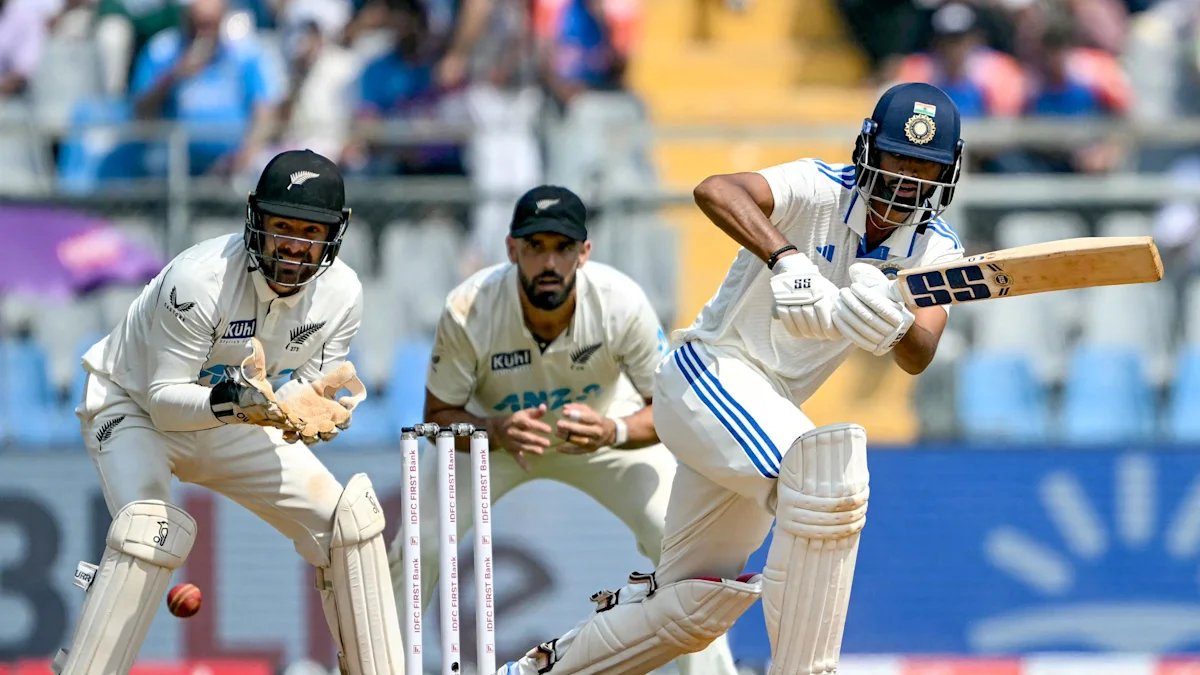
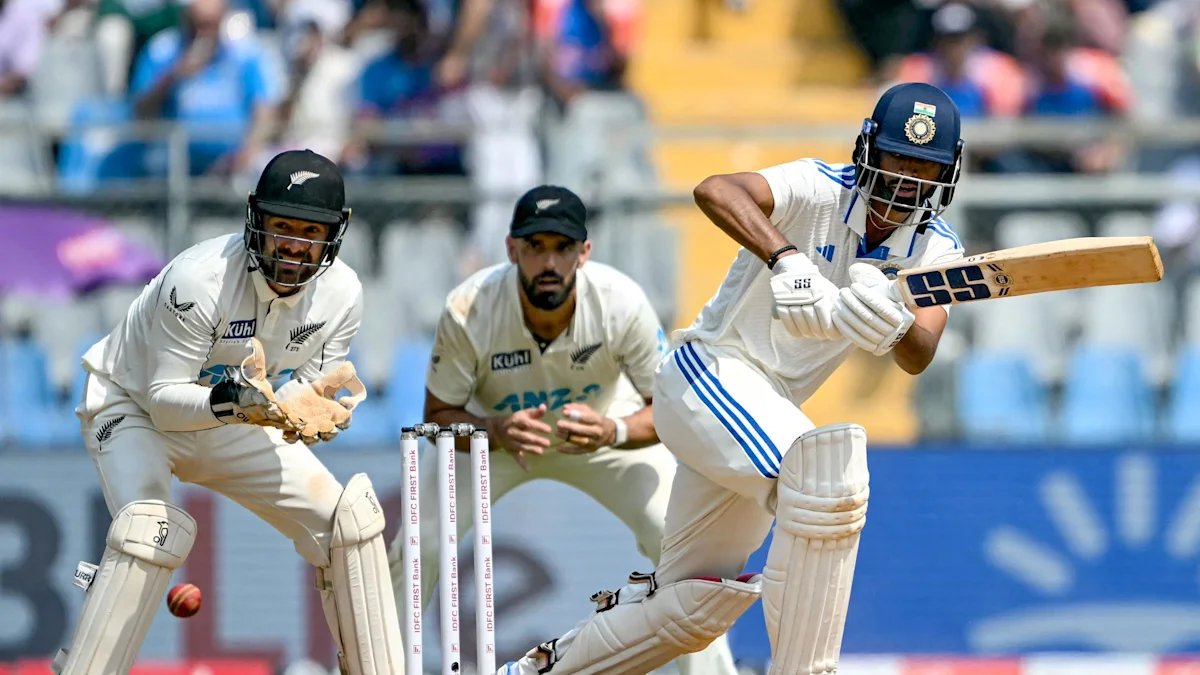
The concluding Test matches served as the crown jewel of the tour. Playing against New Zealand in their backyard is historically one of the toughest challenges for any visiting team. The swinging conditions of the Kiwi pitches demanded grit, patience, and impeccable technique.
Throughout the two Tests, the Indian batting unit faced rigorous examination from the pace-battery of the hosts. The movement off the deck forced Indian batsmen to adapt their stance and approach to playing the ball late. Despite the scoreboard pressure, individual brilliance in the form of crucial centuries and stubborn lower-order contributions kept India in the contest.
The bowling attack, led by a potent pace quartet, worked tirelessly to extract bounce and seam movement. New Zealand’s batsmen, comfortable in their home environment, fought back with resilience, leading to fascinating tactical stalemates. The final scorecards reflected a series that was fought on a knife-edge, emphasizing the thin margins between victory and defeat at the highest level of the sport.
Reflections on a Hard-Fought Tour
Ultimately, India’s tour of New Zealand was more than just a sequence of wins and losses. It was a comprehensive assessment of the team’s ability to perform under changing formats and challenging climatic conditions. By competing across three distinct disciplines, the players demonstrated the versatility required for modern international cricket. As the team returns home, they carry with them invaluable lessons regarding selection depth and adaptive strategies, setting the stage for their upcoming international assignments with a bolstered sense of resolve.
Disclaimer: This content is auto-generated for informational purposes only.
Source: Read Original News