







Strategic Transition at the Helm of India’s Banking Giant
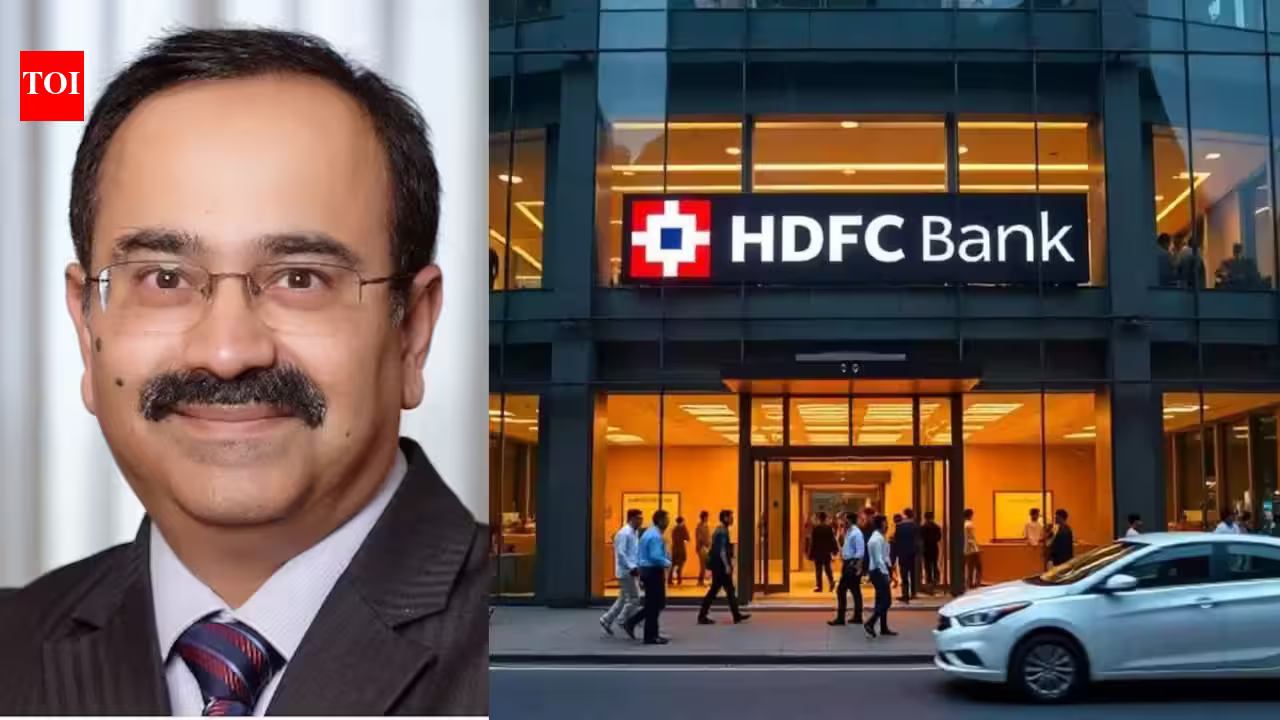
The impending leadership transition at HDFC Bank represents a critical juncture for India’s largest private sector lender. With Anup Bagchi set to assume the roles of Managing Director and CEO, the institution is poised to enter a new phase of strategic consolidation. This shift follows a tenure marked by unprecedented structural changes, most notably the complex merger with HDFC Ltd. As the bank navigates the complexities of the post-merger integration, Bagchi’s stated intention to consult extensively with regulators, shareholders, and customers underscores a commitment to balancing aggressive growth with institutional stability.
For investors and analysts, the focus remains on how the incoming leadership will reconcile the bank’s massive scale with the agility required in a rapidly digitizing economy. The transition occurs at a time when the Indian banking sector is grappling with shifting interest rate cycles, the integration of artificial intelligence into financial services, and heightened regulatory scrutiny. Bagchi’s roadmap will likely serve as a blueprint for how a systemic lender maintains its competitive edge while adhering to evolving governance standards.
Navigating the Margin Compression Narrative
Outgoing CEO Sashidhar Jagdishan provided a clear assessment of the bank’s recent financial performance during the Q2 FY27 earnings call, specifically addressing the downward pressure on Net Interest Margins (NIMs). The phenomenon of lending rates adjusting more rapidly than the cost of deposits during a fluctuating rate cycle has been a significant headwind for the banking sector at large. HDFC Bank, with its substantial loan book, felt this impact acutely.
However, the outlook provided by the outgoing management suggests that the worst of the margin compression has passed. The strategic shift involves pivoting the asset mix, with an increasing emphasis on retail and Micro, Small, and Medium Enterprise (MSME) loans. These segments typically offer better pricing power compared to wholesale lending, providing a buffer against interest rate volatility. As the rate cycle transitions and the bank’s loan book reprices, the expected upward trajectory in NIMs from the next quarter is projected to restore profitability benchmarks to historical levels. This recovery is contingent on the bank’s ability to attract low-cost retail deposits, a core strength that remains central to its deposit-gathering strategy.
Operational Efficiency and the Digital Infrastructure
A hallmark of HDFC Bank’s recent expansion has been the aggressive growth of its physical branch network, which has doubled over the past five years. While this strategy has necessitated significant upfront capital expenditure, management expects these branches to reach maturity and contribute significantly to deposit growth in the coming periods. Beyond the physical footprint, the bank is witnessing the early benefits of its sustained technology investments.
The reduction in turnaround times through automated processes is a testament to the success of the bank’s digital infrastructure strategy. In the context of the Indian market, where customer expectations for rapid, friction-free banking are at an all-time high, these operational efficiencies are vital. Furthermore, the bank has maintained a flat headcount for three years despite its growth, a clear indicator of successful internal optimization. As Bagchi prepares his roadmap, the integration of artificial intelligence will likely be a primary driver in further scaling operations without a proportionate increase in structural overhead. Future workforce expansion is expected to be more targeted, specifically focused on customer-facing roles that enhance the quality of service delivery.
Post-Merger Integration and Balance Sheet Normalization
The merger with HDFC Ltd introduced significant complexities, particularly regarding the repayment of legacy wholesale borrowings. The headline financial figures for the recent quarter were noticeably distorted by the repayment of 2.6 lakh crore in inherited liabilities. As these temporary balance sheet adjustments conclude, the core performance metrics are expected to become more transparent and easier for analysts to assess.
The bank’s efforts to stabilize its deposit base remain a critical area of focus. While the influx of 1.6 lakh crore in deposits is a positive indicator of market trust, the composition of these funds—skewed toward time deposits and FCNR(B) inflows—reflects the current competitive landscape in the Indian deposit market. Maintaining retail Current Account Savings Account (CASA) ratios in the high 40s remains a key pillar of the bank’s funding strategy. Moving forward, the bank aims to achieve a more sustainable mix of long-term deposits that can effectively support its massive loan book growth while shielding it from systemic liquidity shocks.
Defining the Future: Governance and Long-Term Value
As Anup Bagchi prepares to unveil the organizational priorities for the next term, the industry is closely watching the bank’s approach to capital deployment. The emphasis on governance, particularly following a tenure defined by pandemic-era disruptions and regulatory oversight, suggests a shift toward a more conservative and compliance-heavy operational framework. For a lender of HDFC Bank’s stature, the ability to generate sustainable, long-term shareholder value is inextricably linked to its ability to navigate the complexities of the Indian regulatory environment.
The planned retirement of veteran credit expert Bharucha by the end of 2026 marks the end of an era, necessitating a seamless transition in the credit architecture of the bank. Bagchi’s roadmap will need to address how the bank plans to sustain its credit quality in a market that is witnessing a surge in personal and SME credit demand. By prioritizing capital efficiency, digitizing core processes, and maintaining a disciplined approach to risk, the incoming management team intends to steer the bank toward a future that balances the legacy of its past successes with the demands of a modern, tech-forward economy. The focus on stakeholders—ranging from individual customers to institutional regulators—suggests that the upcoming strategic roadmap will prioritize stability as much as growth, ensuring the bank remains the cornerstone of the Indian financial system for years to come.
Disclaimer: This content is auto-generated for informational purposes only.
Source: Read Original News