








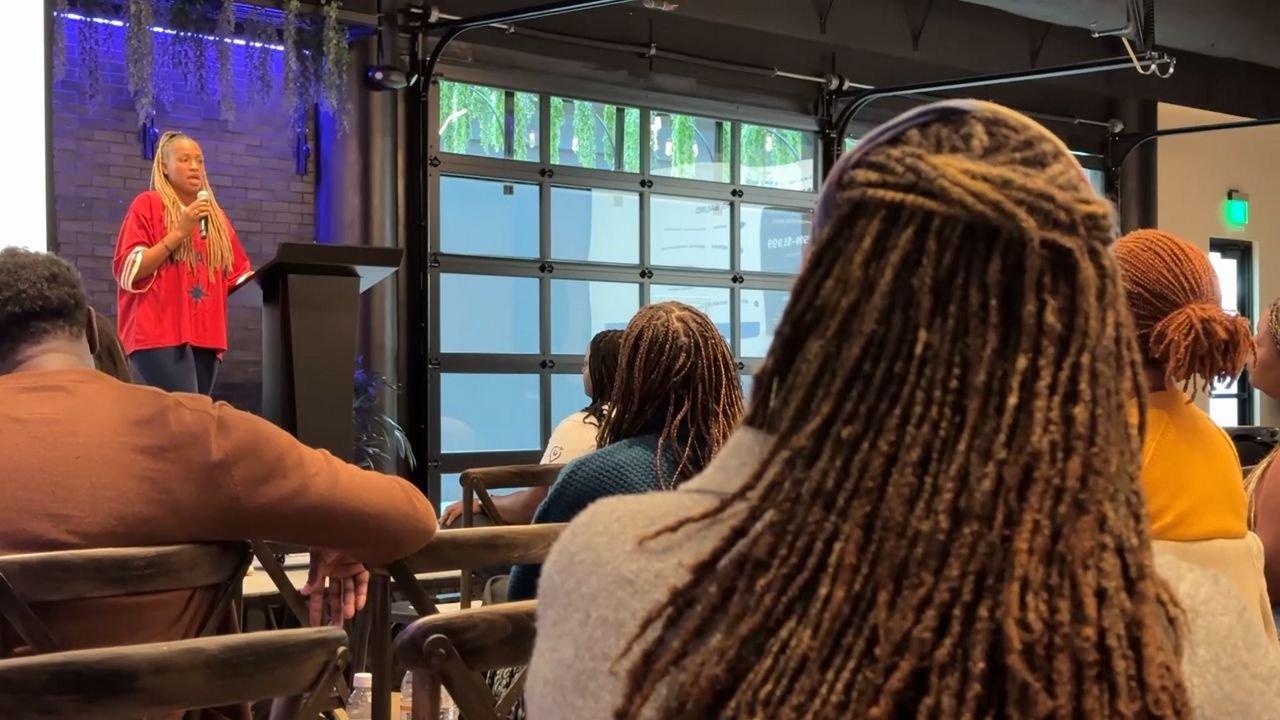
MILWAUKEE — The vibrant energy of the travel industry converged in Milwaukee this past weekend as the Black Travel Summit brought together a global assembly of entrepreneurs, content creators, and investors. The event, which functioned as a high-level incubator for professional development, underscored a significant shift in how travel businesses are leveraging technology and community building to reshape the tourism landscape.
Beyond the panel discussions and networking mixers, the summit served as a masterclass in how modern digital tools—from AI-driven content scheduling to location-based marketing—can amplify underrepresented voices in the travel sector.
Leveraging Digital Infrastructure for Economic Empowerment
The summit’s partnership with Visit Milwaukee provided a tangible case study on the importance of data-driven destination marketing. Organizers were hyper-focused on directing tourism revenue toward local Black-owned establishments like the Sherman Phoenix marketplace and 1700 Pull Up.
For many attendees, the summit was a crash course in utilizing Google’s suite of business tools to increase digital visibility. As creators like Qiana Higgins noted, the challenge for many in the space is bridging the gap between talent and online discoverability. By utilizing tools such as Google Business Profile, search engine optimization (SEO) tactics, and integrated analytics, these entrepreneurs are learning to capture the interest of a global audience.
“You have to get comfortable getting uncomfortable,” said Higgins, a Los Angeles-based creator. She noted that moving from simply experiencing travel to building a professional brand requires a level of visibility that is often daunting but essential in the current digital economy.
AI and the Future of Personalized Travel Content
A recurring theme among the summit’s workshops was the evolving role of generative AI in content creation. With the travel industry increasingly relying on hyper-personalized itineraries, influencers at the summit discussed how they are using AI to synthesize research, draft blog posts, and manage complex travel schedules for their clients.
Fatimah Mateen, a Virginia-based entrepreneur, highlighted how the gathering provided the technological and creative spark she needed to launch her own business. “I’ve always loved reading and traveling,” Mateen said. “I wanted to figure out a way to combine my two loves and find like-minded people.” For creators like Mateen, the intersection of specialized travel expertise and automated digital workflows is becoming the new standard for success in the competitive influencer market.
Building Global Bridges and Digital Communities
Martinique Lewis, the Chief Partnership Officer for the Black Travel Summit, emphasized that the event was designed for intentional economic impact. By showcasing local gems through the “Black A-F” experience, organizers demonstrated that community-centric tourism requires a robust digital strategy to sustain long-term engagement.
The summit also served as a proving ground for the organizers’ ambitious future plans. With the announcement that next year’s summit will be hosted in West Africa, the organization is looking toward global scalability. Such a transition will require sophisticated cloud computing and communication tools to coordinate logistics across borders, further cementing the role of tech in modern tourism leadership.
As the summit wraps, the takeaway for the Milwaukee business community is clear: the integration of traditional hospitality with digital literacy is the most effective way to ensure that local history and culture are not just preserved, but celebrated on a global stage. The attendees left not only with new professional connections but with a refreshed perspective on how to use their digital platforms to ensure that, in every city they visit, the presence of Black excellence is recognized, searchable, and economically supported.
Disclaimer: This content is auto-generated for informational purposes only.
Source: Read Original News