







The air in Hyderabad crackled with a palpable, almost mythic energy this week, and for once, the hyperbole of Indian cinema felt entirely justified. As the curtains lifted on the grand reveal for Nitesh Tiwari’s Ramayana, the industry collectively held its breath. We have heard the whispers, seen the leaked set photos, and tracked the rumors surrounding this gargantuan project for years. But seeing is believing, and what we saw was nothing short of a seismic shift in how Indian mythology will be presented on the global stage.
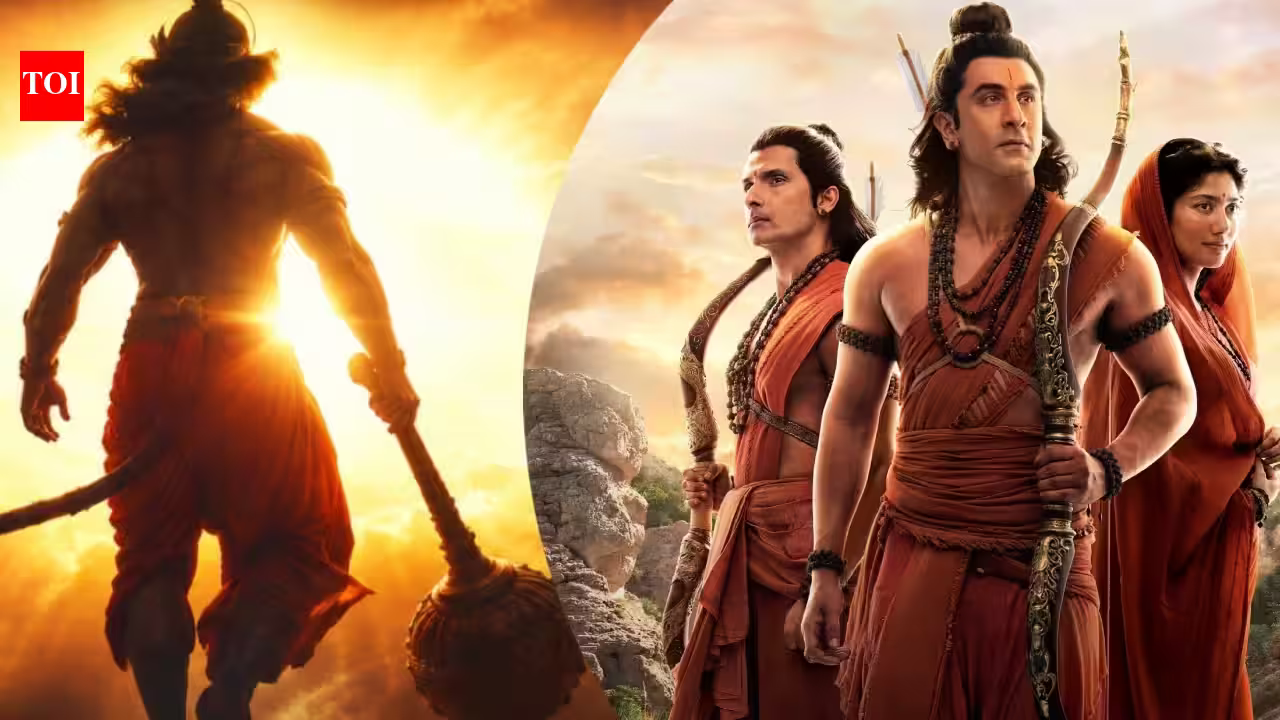
The biggest headline, of course, was the long-awaited first look of Sunny Deol as Lord Hanuman. Clad in an aesthetic that balances raw, divine power with the grounded realism that Tiwari is known for, Deol looks like a man possessed—or, more accurately, a man inhabited by a legend. But as striking as the imagery was, it was the strategic masterstroke revealed by producer Namit Malhotra that has truly set the trade circles buzzing: the Ramayana is no longer just a two-part epic; it is a cinematic universe in the making.
Beyond the Epic: A Cinematic Universe Takes Root
“The idea is not to make one or two movies and stop the journey of Ramayana,” Namit Malhotra declared, standing before a crowd that hung on his every word. “In fact, it is to start the journey.”
In an era where “universes” are often manufactured and forced, the Ramayana approach feels different. It feels like an excavation. By positioning the two-part main event (starring Ranbir Kapoor as Rama, Sai Pallavi as Sita, and Yash as Ravana) as the foundation, the makers are essentially laying the groundwork for a long-form storytelling model that could keep audiences occupied for the next decade.
The reveal of a video teasing five distinct spin-offs confirmed that we aren’t just getting the central narrative; we are getting the deep lore. This isn’t just about the hero’s journey; it’s about the supporting pillars that hold up the canopy of the epic.
The Character-Centric Spin-offs: A Deep Dive into Lore
What is most exciting about the roadmap revealed in Hyderabad is the choice of subjects for these spin-offs. The teasers highlighted stories centered on Surpanakha, the tragic and formidable sister of Ravana; Jatayu, the noble bird-king whose sacrifice is one of the most poignant moments in the epic; Indrajit, the master strategist and warrior son of Ravana; and Angad, the brave prince of the Vanara army.
This move signals a desire to explore moral ambiguity and the richness of the epic’s side characters. In the hands of a storyteller like Nitesh Tiwari, a film focusing on the internal conflict of Indrajit or the sheer mythological weight of Jatayu’s origin story could provide the kind of character-driven drama that is often sidelined in standard action-adventure adaptations. By humanizing the antagonists and giving voice to the secondary heroes, the makers are promising a version of the Ramayana that feels more layered, mature, and undeniably human.
The Casting Coup: A Clash of Titans
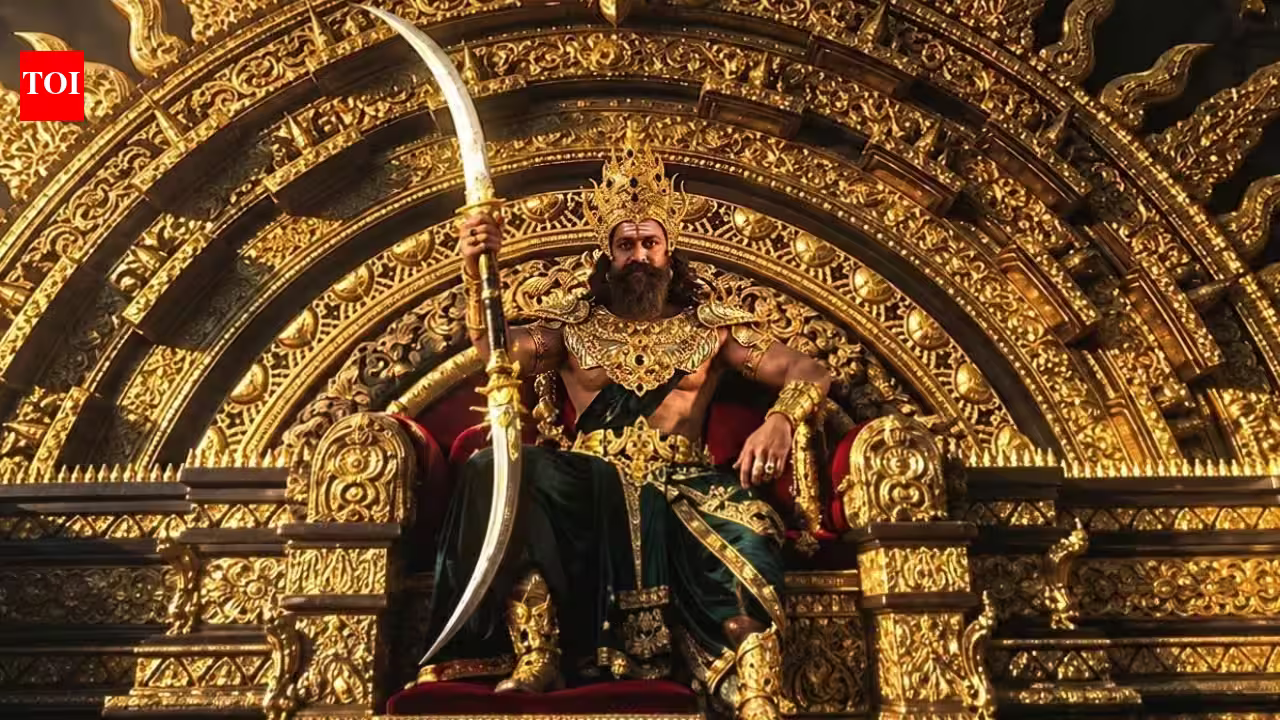
Let’s talk about the main cast, because we cannot discuss this momentum without acknowledging the heavy lifting being done by the primary ensemble. Ranbir Kapoor as Rama carries the weight of immense expectation, while Sai Pallavi as Sita has already become the internet’s favorite pick for the role, praised for her grace and classic appeal. But the wildcard—and the potential show-stealer—is Yash as Ravana.
Having a star of Yash’s stature, coming off the monstrous success of the KGF franchise, playing the antagonist is a brilliant subversion of the “hero-hero” culture of mainstream cinema. It elevates the conflict. When you have a formidable Rama facing off against a complex, powerful, and equally magnetic Ravana, the stakes are automatically multiplied. The inclusion of Sunny Deol as the indestructible Hanuman only rounds out a cast list that is designed to appeal to both the masses and the critics. This isn’t just casting; it’s an assembly of icons meant to anchor a massive, multi-year production cycle.
November 2026: The New Standard for Indian Cinema
As the production team confirmed that the first installment will hit theaters on November 5, 2026, with the second part following in Diwali 2027, the calendar for Indian cinema has essentially been rewritten. We are looking at a two-year window where the Ramayana will likely dominate the cultural conversation.
The announcement that advance bookings will open on the festival of Dussehra—a date loaded with symbolic significance—is a clever piece of marketing that aligns the product with the very roots of the story it tells. It’s a move that suggests the team isn’t just selling tickets; they are inviting the audience to participate in an annual ritual.
Can the Vision Sustain the Scale?
Of course, the skepticism remains. Scale is often the enemy of substance in high-budget Indian productions. Can a project this sprawling maintain its narrative integrity across two main films and five spin-offs without becoming a diluted mess of CGI?
The answer lies in the stewardship of Namit Malhotra and Nitesh Tiwari. Malhotra’s background in VFX (via DNEG) ensures that the visual polish will be world-class, while Tiwari’s track record (think Dangal and Chhichhore) suggests he knows exactly how to ground high-concept stories in genuine emotion. If they can marry the technical wizardry required to bring the divine world of Ayodhya to life with the emotional stakes that make these characters resonate, they might just achieve the impossible: creating an Indian cinematic franchise that doesn’t just copy Hollywood models, but improves upon them by tapping into the oldest, richest IP in history.
The reveal in Hyderabad wasn’t just a teaser; it was a gauntlet thrown down. The Ramayana project is no longer a film; it is a movement. As we look toward that November 2026 release date, one thing is clear: the epic has just begun.
Disclaimer: This content is auto-generated for informational purposes only.
Source: Read Original News