







The Growing Threat of Asset Theft and AI Cloning
The video game industry is witnessing a significant shift in how independent developers approach the release of pre-launch builds. Digital Sun, the studio behind acclaimed titles such as Moonlighter and Cataclismo, recently announced the postponement of a public Steam playtest for its upcoming project, ReVamp. This decision stems from a growing industry concern regarding the unauthorized replication of intellectual property. Developers are increasingly wary of “clone games”—titles that are reverse-engineered, assets-scraped, and published by malicious actors before the original developer can finalize their product.
The primary driver behind this anxiety is the rapid maturation of generative artificial intelligence tools. These technologies allow bad actors to ingest game assets, mechanics, and design aesthetics from leaked or shared demos to create functional replicas in a fraction of the time required to develop a game from scratch. By flooding digital marketplaces with low-quality, AI-generated mimics, these bad actors attempt to capitalize on the anticipation generated by legitimate marketing campaigns. For independent studios operating on tight budgets and specific timelines, the prospect of having their unique gameplay mechanics and creative assets stolen by automated systems represents an existential risk to their business models.
Digital Sun’s Strategy Shift for ReVamp
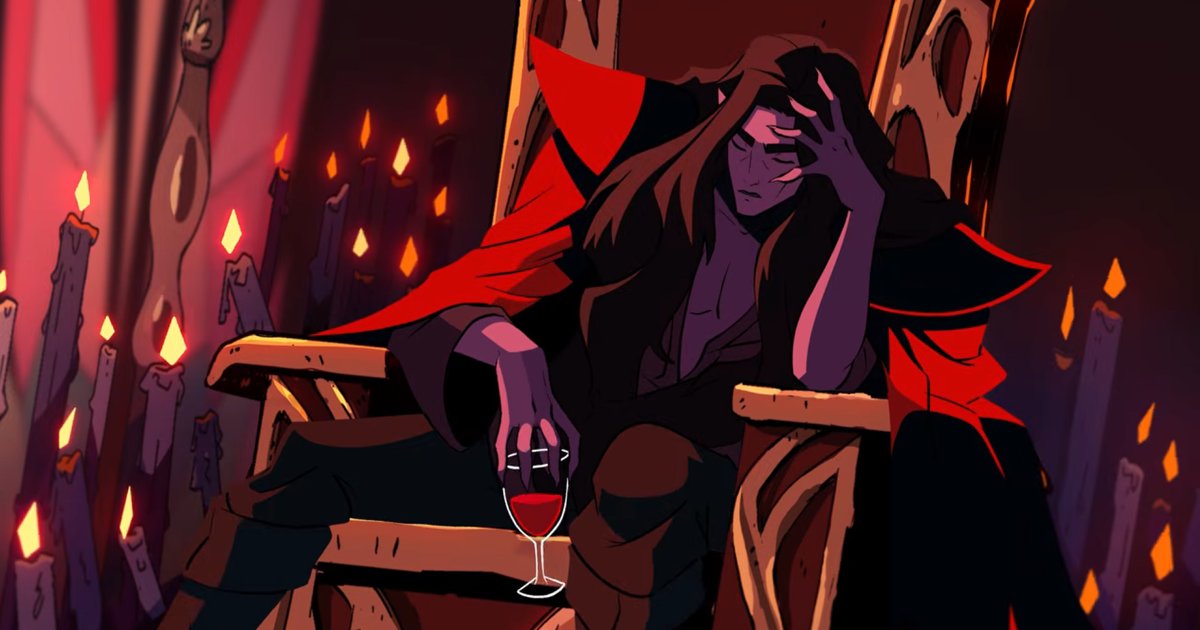
ReVamp, characterized by the studio as a “Tower Defensevania” title, was originally scheduled for a broad Steam playtest during October. In light of the rising threats, Digital Sun has opted for a more controlled distribution method. Instead of opening access to tens of thousands of users simultaneously through the Steam infrastructure, the studio is moving the initial playtest phase to its private Discord server. This change allows the developers to curate their user base, granting access in smaller, staggered waves.
By limiting the initial audience to a vetted community, Digital Sun minimizes the surface area for potential asset theft. While the studio intends to launch a wider public playtest by January 2027, this deliberate containment strategy serves as a defensive wall against entities looking to scrape game code or visual assets during the early development stages. The move reflects a broader trend among indie developers who are increasingly viewing traditional public playtests as high-risk endeavors in the current technological climate.
Industry-Wide Paranoia and Preemptive Cancellations
Digital Sun is far from the only studio adjusting its roadmap to mitigate these threats. The phenomenon of preemptive cancellation of demos has become a recurring news item. For instance, Alliance Arts recently withdrew its participation from Steam Next Fest for the title Drunken Goddess Reflux. In their official statement, the company cited a direct fear that the content of their demo could be quickly replicated using generative tools.
When developers pull their work from major visibility platforms like Steam Next Fest, the industry suffers. These festivals are intended to act as a discovery engine, connecting talented small-scale developers with a global audience. When the fear of AI-driven plagiarism outweighs the benefits of visibility, the entire ecosystem of independent game discovery is compromised. This “climate of suspicion” is forcing developers to reconsider the balance between community engagement and intellectual property protection, leading to more closed-off development cycles.
Technical Challenges in Securing Playable Builds
The security of a playable build is a significant technical hurdle. Even when distribution is limited to a smaller audience, the underlying code and assets must remain on a user’s machine to be rendered in real-time. This reality makes it difficult to completely prevent reverse engineering. Once a build is in the hands of a third party, sophisticated tools can be used to extract sprites, textures, and logic flows.
Developers are currently exploring various methods to harden their builds, including tighter digital rights management (DRM) and server-side logic validation. However, these solutions often come with their own drawbacks, such as increased development costs, performance overhead, and the potential to alienate legitimate players who prefer offline or accessible gaming experiences. The struggle for many studios is finding a method that protects the game’s core identity without degrading the performance or user experience for the testers who contribute the essential feedback needed to polish the game before its final launch.
The Future of Independent Game Distribution
The long-term impact of AI-assisted cloning on the gaming industry remains to be seen, but the current trajectory suggests a move toward more exclusive testing environments. Digital Sun is set to launch ReVamp in March 2027, and the team remains focused on delivering their specific vision despite the protective measures they have implemented. The situation serves as a stark reminder that the tools enabling easier creation also enable easier theft.
Moving forward, the industry may see a demand for better platform-level protections. Valve and other digital storefronts may be pressured to implement stronger safeguards against unauthorized game clones, perhaps by refining automated detection systems that can flag titles with suspiciously similar assets or mechanics. Until such systemic solutions are put in place, individual studios will continue to prioritize security over public accessibility. While this shift may reduce the visibility of independent titles in the short term, it is currently viewed as a necessary cost of survival in an era where creative output is vulnerable to near-instantaneous digital imitation.
Disclaimer: This content is auto-generated for informational purposes only.
Source: Read Original News