









The Biological Sentinel: Redefining Crop Health Monitoring
Modern agriculture has long relied on a reactive approach to crop management. Farmers typically wait for visible signs of distress, such as wilting or discoloration, before intervening with broad-spectrum pesticides or fungicides. This delay often leads to reduced yields and unnecessary environmental contamination. However, a new frontier in agricultural technology is transforming plants into self-reporting biosensors. By leveraging synthetic biology and gene editing, researchers are creating flora that communicate their physiological status in real-time, effectively serving as biological sentinels in the field.
These engineered crops are designed to respond to specific stressors—such as pathogen invasion, drought, or nitrogen deficiency—by altering their physical appearance. Whether through bioluminescence or shifts in leaf pigmentation, these plants translate invisible chemical signals into observable data. This transition from passive observation to active bio-signaling represents a fundamental shift in how food production is managed, prioritizing precision over mass intervention.
Decoding Plant Communication Through Synthetic Biology
The core of this technology lies in the integration of synthetic genetic circuits within the plant’s genome. Scientists identify specific promoters—sequences of DNA that turn on in response to environmental stimuli—and link them to reporter genes. These reporter genes dictate the production of specific proteins that generate a visible output.
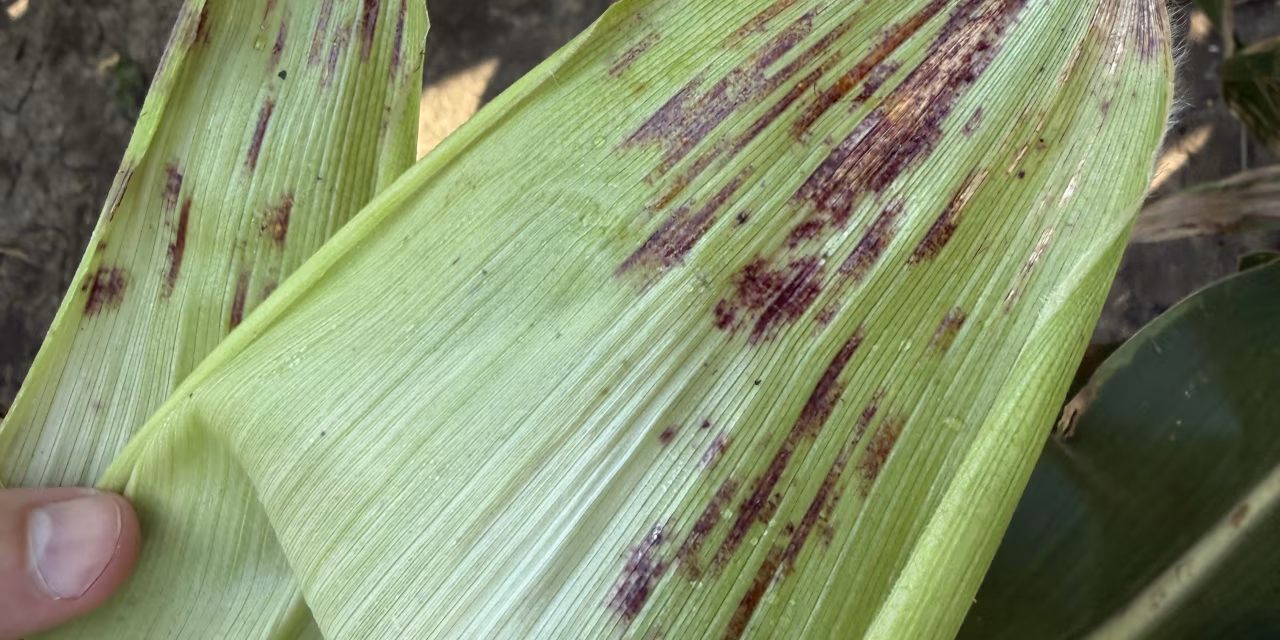
For example, when a plant’s internal defense mechanism detects the saliva of a pest or the enzymes of a fungal pathogen, the engineered circuit triggers the synthesis of specialized pigments. A shift from a standard green to a deep purple can signal that a specific area of a field is under attack. In other applications, researchers utilize luciferase enzymes to induce bioluminescence, allowing plants to glow under specific lighting conditions. By mapping these signals to particular stresses, farmers gain an immediate, high-fidelity map of field health that was previously unattainable without complex laboratory diagnostics.
Precision Management and Environmental Sustainability
The primary impact of this technology is the drastic reduction of agrochemical application. Currently, field-wide spraying is the industry standard for pest management, even if the infestation is localized. This indiscriminate practice negatively impacts soil biodiversity and increases the likelihood of runoff into water tables. Biological sentinels enable a shift toward surgical intervention. If a farmer can identify the exact coordinates of a localized pest population, they can apply treatments only where necessary, or perhaps utilize mechanical removal instead of chemical pesticides.
Furthermore, the technology facilitates the optimization of nutrient application. Over-fertilization is a major source of nitrous oxide emissions and waterway eutrophication. By utilizing plants that signal nitrogen saturation or deficiency, agriculturalists can synchronize fertilization schedules with the actual biological requirements of the crop. This closed-loop system ensures that inputs are utilized efficiently, lowering operational costs and minimizing the ecological footprint of large-scale commercial farming.
Scalability and Data Integration
Integrating these living sensors into existing commercial infrastructure requires more than just biological engineering; it necessitates advanced machine learning to automate detection. While a trained agronomist might spot a change in leaf color, large-scale operations require persistent monitoring. This is where automated aerial imagery enters the equation. Drones equipped with multi-spectral cameras can fly over fields, capturing data that is invisible to the human eye.
Algorithms process this imagery, mapping the signals emitted by the bio-engineered plants against historical yield data and weather patterns. This digital overlay creates a dynamic health map of the entire operation. By digitizing the signals, the system can provide actionable alerts directly to the farmer’s dashboard, suggesting precise intervention protocols. This synergy between synthetic biology and remote sensing transforms the farm into a data-driven laboratory, where the plants themselves serve as the primary data acquisition devices.
Navigating Regulatory and Ethical Frontiers
Despite the immense potential, the transition toward genetically modified signaling plants faces significant hurdles. Public perception and stringent regulatory frameworks regarding genetically modified organisms (GMOs) remain at the forefront of the discourse. Unlike traditional GMOs, which focus on yield or nutritional content, these sentinel plants serve an informational purpose. Proponents argue that because these plants are used primarily for monitoring and could be designed to be sterile or self-limiting, the environmental risk profile is lower than crops intended for consumption.
Nonetheless, researchers must ensure that these genetic modifications do not interfere with the plant’s primary metabolic functions or compromise its nutritional integrity. Long-term studies are currently underway to observe whether the energy expenditure required to produce bioluminescence or specific pigments reduces the overall productivity of the plant. Maintaining the delicate balance between reporting capabilities and crop yield is essential for the commercial viability of this technology.
The Future of Smart Agriculture
The evolution of plant-based bio-sensors marks the beginning of a new era in precision agriculture. As the global population grows and climate instability threatens food security, the ability to monitor crops with extreme accuracy is no longer a luxury—it is a necessity. By turning crops into active participants in their own health management, farmers gain the power to respond to crises before they escalate into crop failures.
This fusion of technology and nature offers a path forward that is both high-tech and sustainable. As the research matures and regulatory landscapes become more defined, we can expect to see a wider adoption of sentinel crops in high-value agricultural sectors. By allowing nature to signal its own needs, the agricultural industry is moving toward a future where the landscape is managed with the precision of a computer system, ensuring productivity while safeguarding the environment for future generations.
Disclaimer: This content is auto-generated for informational purposes only.
Source: Read Original News