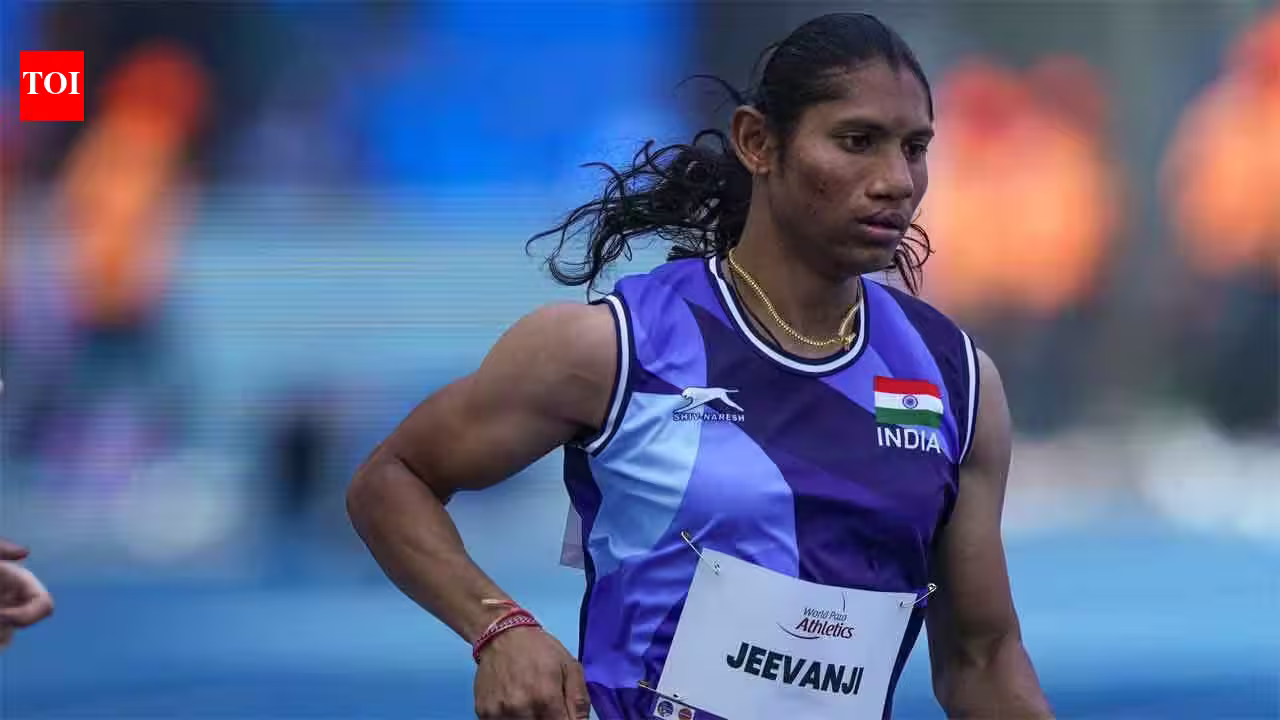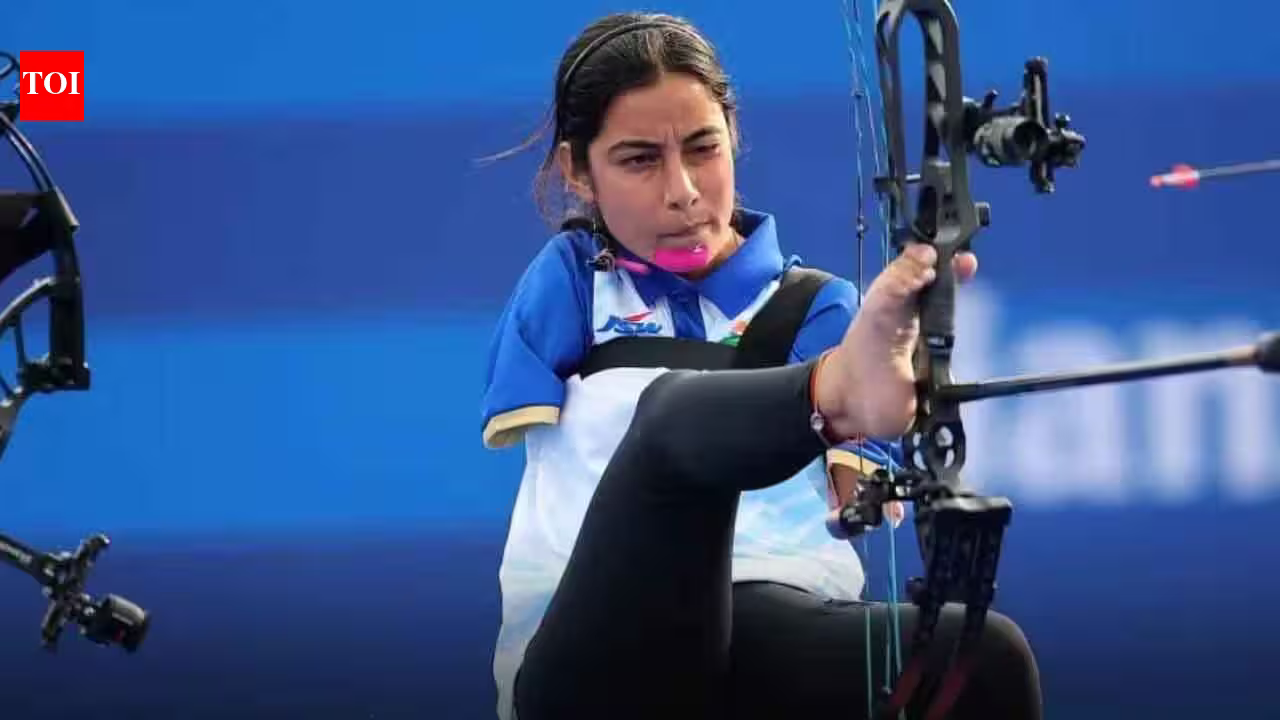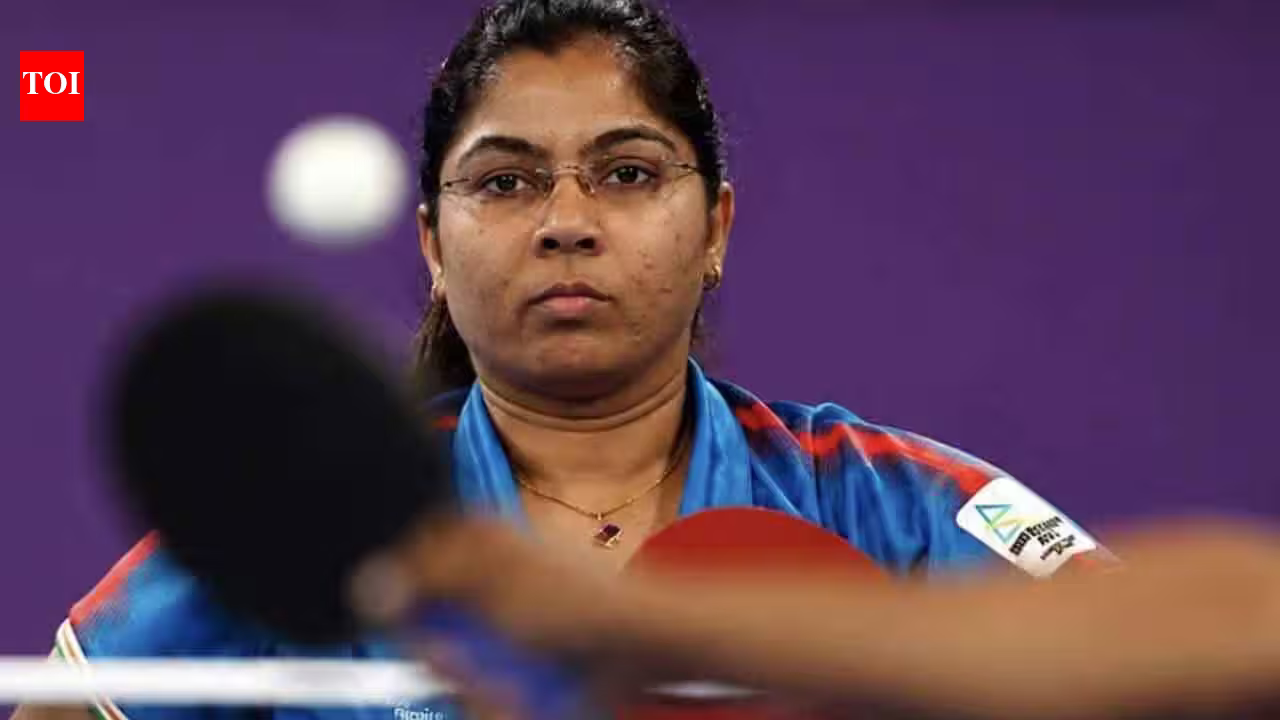








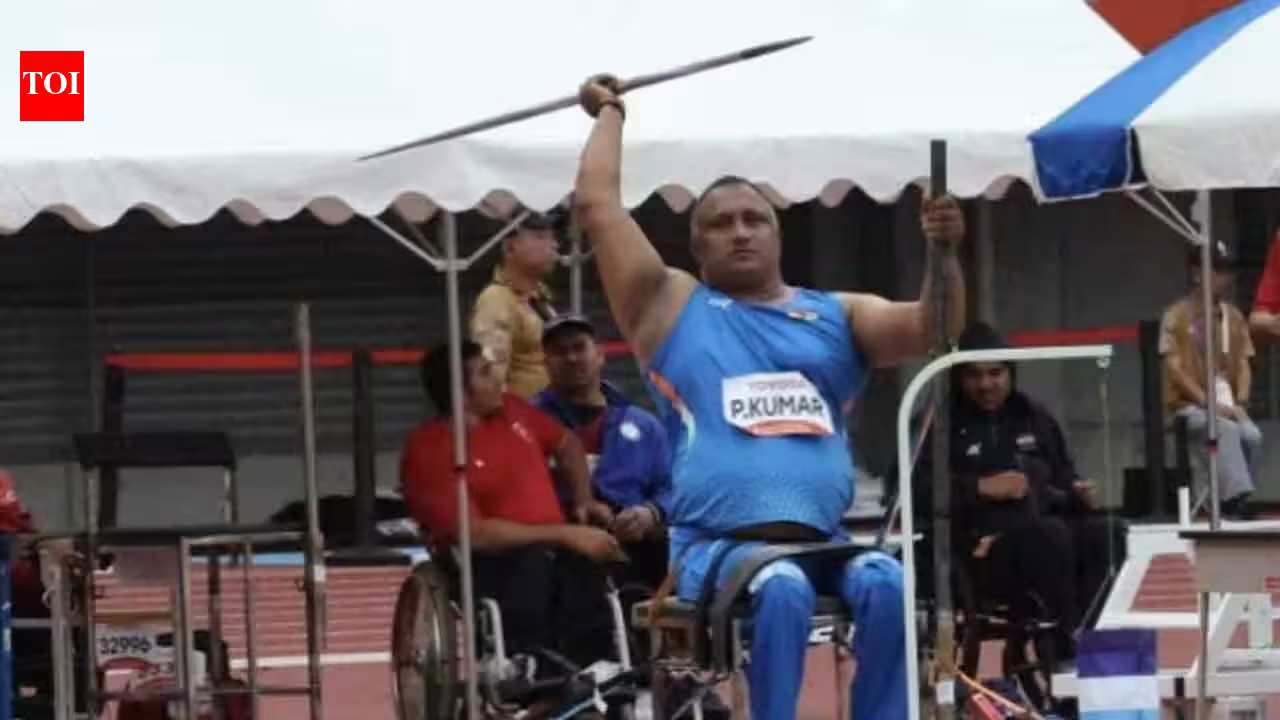
India’s track and field contingent at the Asian Para Games 2026 continues to assert its dominance on the continental stage, with the men’s javelin throw F53/54 final serving as the latest showcase of resilience and tactical excellence. On Tuesday, Indian athletes Pradeep Kumar and Ayush Verma delivered stellar performances, capturing silver and bronze medals, respectively, in a high-stakes competition that highlighted both individual skill and the intricate nature of Paralympic classification.
The event, which saw athletes from varying disability classifications compete simultaneously, culminated in a display of technical precision. Pradeep Kumar, a seasoned campaigner in the F54 category, once again proved his mettle by securing the silver medal with a personal best throw of 27.45 meters. For Kumar, this achievement marks his second consecutive silver medal at the Asian Para Games, cementing his status as one of the region’s most consistent and formidable javelin throwers.
Joining him on the podium was Ayush Verma, who showcased immense focus to claim the bronze in the F53 category. Despite recording a distance of 17.88 meters, Verma successfully navigated the complexities of the Raza points system—a mathematical framework used to level the playing field between competitors with differing levels of impairment—to edge out challengers and secure his place among the medalists.
The Iranian Benchmark
While the Indian duo celebrated their dual-podium finish, the gold medal went to Iran’s Erfan Bandori, who demonstrated superior form throughout the day. Bandori not only successfully defended his title but did so in commanding fashion, setting a new Games record with a massive throw of 30.24 meters. His performance set the benchmark for the field, pushing his competitors to their absolute limits and underscoring the high caliber of competition currently defining the 2026 Asian Para Games.
The battle for the remaining podium spots provided a masterclass in the nuances of Paralympic sport. Thailand’s Sahar-dam Yaena, who recorded a throw of 23.31 meters, found himself finishing behind Ayush Verma in the final standings. Although Yaena’s raw distance appeared greater, the Raza points system—which factors in the specific classification and level of disability—ultimately determined the rankings. It was a stark reminder that in these multi-classification events, the final result is as much about tactical points management as it is about physical distance.
Understanding the Raza Points System
For spectators and casual followers of the sport, the Raza points system can appear labyrinthine, but it remains the bedrock of fair play in Paralympic athletics. Because the F53 and F54 categories involve athletes with varying degrees of trunk control and limb function, it would be impossible to rank them on raw distance alone.
The system acts as a functional equalizer, converting an athlete’s performance into a standardized score based on their specific classification. By accounting for the unique physiological challenges faced by each athlete, the Raza system ensures that a thrower from a more restrictive classification is not unfairly disadvantaged against an athlete with greater functional capacity. This process allows for diverse fields to compete in a single, unified event, maintaining the integrity of the sport while ensuring that the podium truly reflects the best performances across the board.
Decoding F53 and F54 Classifications
To fully appreciate the intensity of the competition in the javelin circle, one must understand the distinct challenges presented by the classifications. The F53 category is defined by athletes who possess good arm and hand function but face significant limitations in trunk control. Due to reduced abdominal and lower back muscle function, these athletes typically lack sitting balance, requiring immense upper-body strength and stability to execute a throw.
In contrast, the F54 category encompasses athletes who possess good arm strength and either partial or full trunk muscle power. While their trunk and leg movements are still significantly affected by their impairments, the increased core stability allows for a different dynamic in the release and power transfer of the javelin.
Watching Kumar and Verma navigate these physical realities under the immense pressure of the Asian Para Games highlights the grit required to compete at this level. As the games progress, the performance of the Indian squad continues to reflect a program that is growing not just in volume, but in technical depth. With two more medals added to the tally, the focus now shifts to the remaining field events, where India will look to maintain its upward trajectory and build on the momentum generated by Kumar and Verma’s brilliant Tuesday performance.
Disclaimer: This content is auto-generated for informational purposes only.
Source: Read Original News