








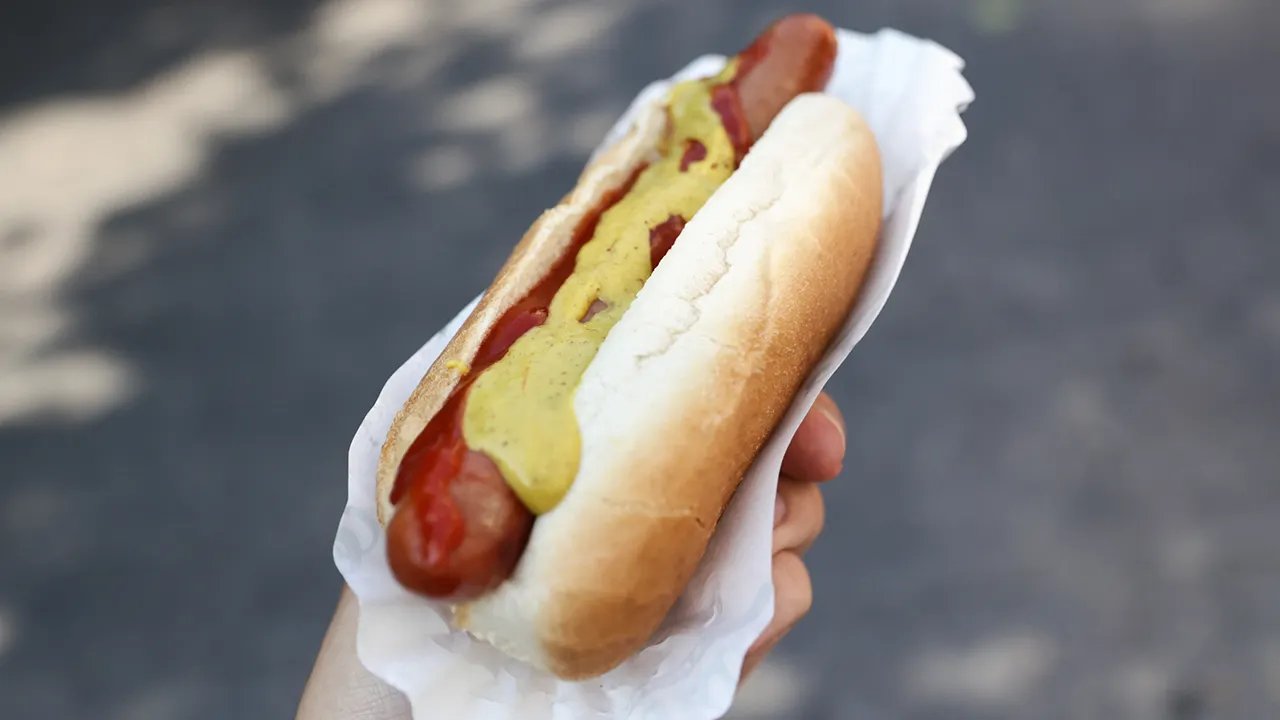
Nearly 1.6 million pounds of ready-to-eat meat and poultry products are being pulled from shelves across the country following a major voluntary recall by Kayem Foods Inc. The recall, which encompasses a wide range of deli meats, hot dogs, and bacon, was initiated due to a malfunction in a warehouse cooling system that left products susceptible to improper temperature control.
The U.S. Department of Agriculture’s Food Safety and Inspection Service (FSIS) has classified this as a Class I recall, the most severe category. This designation indicates a “reasonable probability” that the consumption of the compromised products could result in serious adverse health outcomes or even death.
## Tracking the Scope of the Recall
The massive recall affects over 1.58 million pounds of food, which were distributed to retail and foodservice establishments throughout the United States, as well as export locations in Hong Kong. The products in question were manufactured between March 31 and October 7.
Consumers can identify the affected items by checking the USDA mark of inspection on the packaging for the establishment numbers “EST. M/P 7839,” “EST. P 20935A,” or “EST. M 9520.” The extensive list of recalled items features various popular products, including Kayem Beef & Pork Hot Dogs, Double Smoked Thick Cut Bacon, Slow Smoked Beef Brisket, Genoa Hot Ham, and Al Fresco Roasted Pepper & Asiago Chicken Sausage.
The issue came to light on October 1 when a retail customer reported receiving a delivery that felt uncomfortably warm. Upon investigation, Kayem Foods discovered that a specific warehouse cooler had experienced a mechanical failure, leading to “temperature abuse” of the stored items. While the company has since corrected the cooling system error, it is recalling the products to prevent potential foodborne illnesses.
## Public Safety and Digital Transparency
While there have been no confirmed reports of illness associated with these products, the FSIS is urging the public to take immediate action. The agency remains concerned that a significant portion of the recalled goods may already be sitting in household refrigerators.
In the era of modern supply chain management, consumers are increasingly turning to digital tools to track their food safety. Major tech platforms and retail websites are currently updating their databases to help customers identify if they have purchased these items. Smart inventory apps and retail loyalty programs are being leveraged to notify users who may have purchased these specific brands during the affected window.
Beyond manual checks, the integration of AI-driven supply chain transparency is becoming a point of focus for the food industry. Systems capable of monitoring real-time temperature fluctuations in cold storage facilities are now expected to be the standard. These automated alerts could potentially prevent future, massive-scale recalls by identifying cooling failures before the affected products leave the warehouse.
## Steps for Consumers
If you have these items in your possession, the USDA and Kayem Foods are clear on the next steps: do not consume the products under any circumstances. Instead, you should discard them immediately or return them to the store where they were purchased for a refund.
For those who are unsure if an item in their kitchen is part of the recall, the FSIS website provides a comprehensive, nine-page document detailing every affected SKU. If you have already consumed these products and are experiencing symptoms, health officials advise contacting a medical provider immediately.
As food safety protocols become increasingly intertwined with predictive technology and automated monitoring, this incident serves as a reminder of the critical importance of warehouse infrastructure and the rapid dissemination of safety information to the public through digital news and retail portals.
Disclaimer: This content is auto-generated for informational purposes only.
Source: Read Original News