








The Strategic Context of the US Tariff Waiver
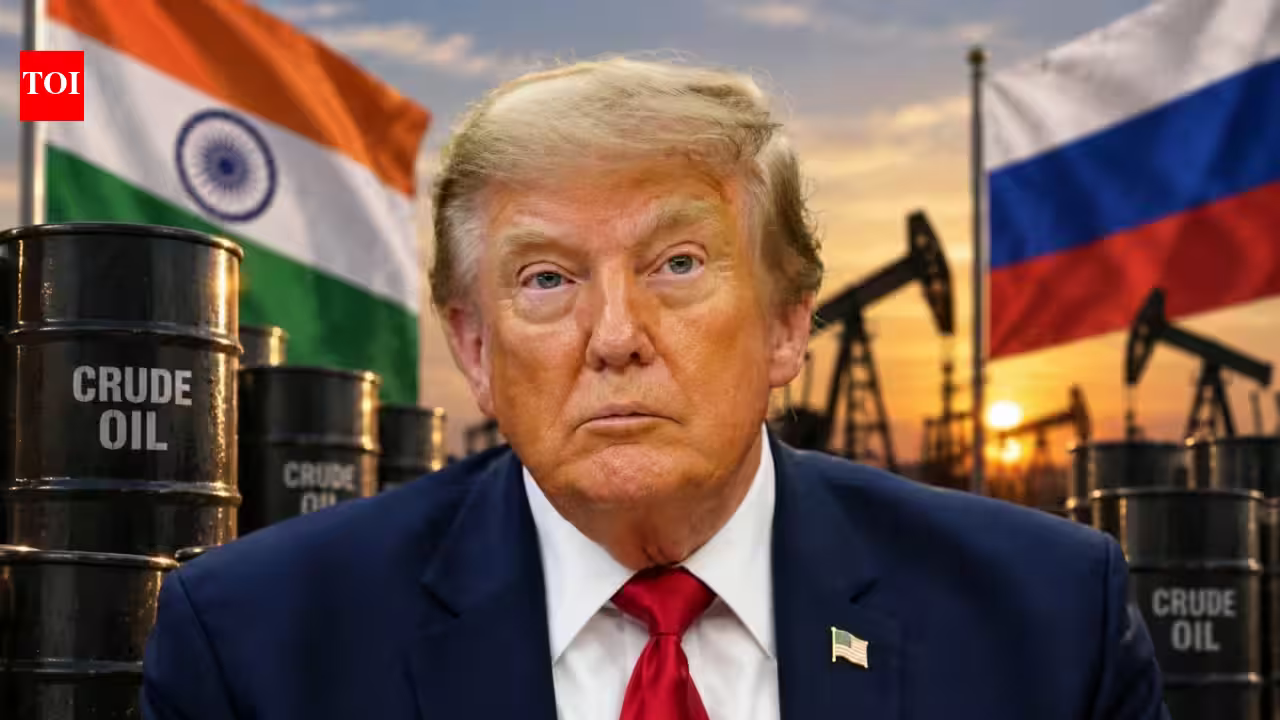
The recent invocation of Section 115 of the Lindsey O. Graham Sanctioning Russia and Iran Act of 2026 by United States President Donald Trump represents a pivotal, albeit temporary, recalibration of global energy diplomacy. By issuing a waiver for tariffs of up to 100% on goods from the five largest buyers of Russian-origin crude oil and natural gas, the administration has effectively shielded nations like India and China from immediate economic punitive measures.
While the headline suggests a diplomatic concession, market analysts argue that the move is driven primarily by domestic US economic interests rather than a geopolitical softening toward Moscow. The decision coincides with a bilateral arrangement wherein Russia agreed to supply over 300,000 metric tonnes of diesel to the US market. This maneuver serves to keep a lid on global oil prices ahead of critical political milestones in the United States. By preventing the disruption of Russian crude flows, the White House is aiming to avoid an inflationary oil-price shock that could otherwise push Brent crude significantly beyond its current $110 per barrel benchmark.
Implications for India’s Energy Security
For India, the waiver offers critical, albeit short-term, relief for its import-heavy energy architecture. The threat of 100% tariffs on Russian crude presented a double-edged dilemma for New Delhi: either abandon its largest supplier during a time of global supply volatility or accept crippling financial burdens on its exports to the US.
In recent months, India has been managing a delicate transition in its procurement strategy. While Russian imports hit record highs when the Strait of Hormuz faced operational constraints, India has strategically diversified its intake. By September, imports from the Middle East rose to approximately 2.5 million barrels per day (bpd), while Russian imports stabilized around 1.5 million bpd. This move was supported by a complex logistics network including ship-to-ship transfers and the utilization of alternative routes like the East-West Pipeline.
The waiver is particularly beneficial for Indian refiners, who have invested heavily in configurations capable of processing medium-sour crude. Because Indian refineries often lack the flexibility to process lighter US-origin oil without extensive blending, the continued access to Russian grades—which align with current technical requirements—is essential for maintaining consistent fuel output, including diesel and jet fuel for export.
The Complexity of Global Price Dynamics
A crucial nuance for stakeholders is that the suspension of tariffs does not equate to an immediate decline in the cost of oil for Indian consumers. The global crude market remains remarkably tight. Commodity analysts emphasize that current pricing mechanisms, such as the premium of Dated Brent over standard futures, keep the overall cost of acquisition high.
Although Russian Urals have moved from a premium position toward parity with Dated Brent, the physical market remains constrained by competition from China and ongoing geopolitical tensions. As northern hemisphere winter approaches, seasonal patterns may shift in India’s favor. With the Northern Sea Route likely to become less accessible due to ice, Russian sellers may find it more logistically efficient to prioritize deliveries to the Indian market, which sits in closer proximity to European-loading ports than the East Asian markets. However, India remains subject to the “outright bill” of energy, meaning that unless the underlying global benchmarks retreat, the waiver primarily solves a regulatory risk rather than a cost-price problem.
The Intersection with US-India Trade Negotiations
The waiver has become deeply intertwined with ongoing, high-stakes trade negotiations between New Delhi and Washington. US Secretary of State Marco Rubio has explicitly linked the administration’s decision to these broader discussions, noting that the White House accounts for national security waivers when evaluating trade agreements.
This creates a high-pressure environment for Indian policymakers. While the waiver provides necessary breathing room to finalize a trade deal, skepticism remains regarding the longevity of this protection. Industry experts, including those from the Global Trade Research Initiative (GTRI), have warned that India should not view this 60-day pause as a permanent security blanket. The US has historically demonstrated a propensity for utilizing varied statutes and investigations to exert leverage. There is a palpable concern that Washington may maintain the threat of future sanctions as a bargaining chip, even as it continues to source its own requirements for Russian diesel and uranium.
Strategic Outlook and Sustainability
The 60-day duration of the current waiver is a clear indicator of the fluid and tactical nature of American foreign policy in this current cycle. Any relief granted to countries importing Russian crude is explicitly conditional and temporary. The US administration has made it clear that this period will be used to conduct a thorough analysis of how sanctions and tariffs impact both the global and domestic US economies.
For India, this period necessitates a dual-track strategy. First, it must continue the diversification of its energy sources, moving beyond a reliance on any single supplier to mitigate risks associated with future, unpredictable policy shifts. Second, in trade negotiations, it must assert its requirement for predictable and legally binding terms. The inconsistency inherent in US policy—where Washington may restrict others while simultaneously securing its own access to Russian energy commodities—remains a point of concern for New Delhi.
As the situation evolves, the Indian government will likely continue to advocate for the necessity of Russian energy based on technical refinery constraints and the fundamental need to insulate its domestic economy from global price shocks. Moving forward, the focus will remain on securing long-term economic stability while navigating a geopolitical landscape where energy is increasingly leveraged as a tool for broader trade and diplomatic outcomes. The temporary nature of the current waiver demands that India remains agile, prepared for a return of tariff threats, and relentless in its pursuit of more sustainable and diversified energy trade partnerships.
Disclaimer: This content is auto-generated for informational purposes only.
Source: Read Original News