





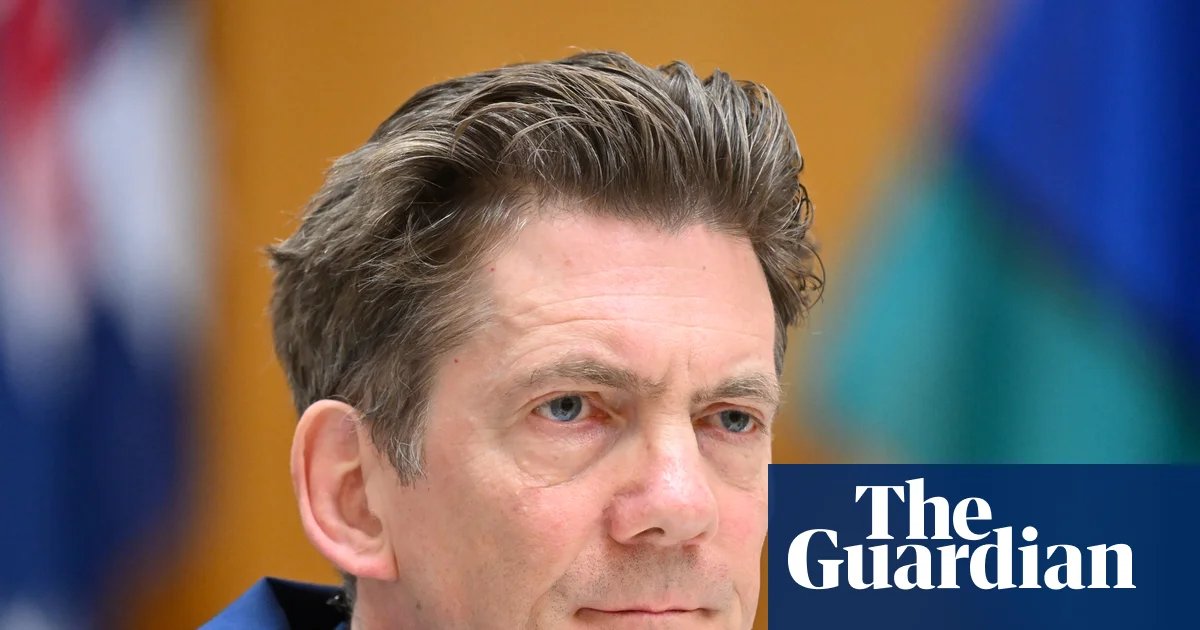
The prospect of a fifth interest rate hike this year has surged following a stern warning from the Reserve Bank of Australia’s deputy governor, Andrew Hauser, who signaled that the central bank faces increasingly “hard choices” in its bid to tame stubborn inflation.
Speaking at an investment bank conference in Sydney on Wednesday, Hauser characterized the current economic climate as “materially worse” than previously anticipated. He highlighted a growing concern within the RBA board that Australians are losing faith in the bank’s ability to return inflation to its 2.5% target, noting that some businesses have begun viewing a 3.5% inflation rate as the “new normal.”
“The basic fact is that inflation has been high for a very long time now, and we are beginning to see some signs that some people in the community are not sure if we’re going to bring inflation back into target at all,” Hauser said.
Following his comments, financial markets recalibrated the likelihood of a rate rise on Melbourne Cup day, 3 November. The probability of an increase jumped from 30% to 45%. If the board chooses to lift rates again, it would push the official cash rate to 4.85%—the highest level since the global financial crisis.
The RBA is grappling with a volatile global environment, particularly the escalating conflict in the Middle East, which has driven oil prices significantly higher than the bank’s August forecasts. This external shock has pushed annual inflation to 4%, creating a dilemma for policymakers tasked with curbing price rises without crushing an already slowing domestic economy.
Hauser acknowledged the public frustration of “laying pain on top of pain” through successive rate hikes, particularly when inflation is being driven by overseas supply shocks. “If someone overseas raises the price of a good that we’re buying, let’s call it oil, we’re all poorer, and we have to accept that fact,” he admitted. However, he insisted the RBA must prevent these one-off shocks from embedding into long-term inflation expectations, warning that such a shift would be far more costly to correct later.
Despite the hawkish tone, not all economists are convinced a November hike is inevitable. Diana Mousina, deputy chief economist at AMP, noted that the decision remains on a “knife’s edge.” She pointed to a weakening labor market—highlighted by recent figures showing unemployment hit a five-year high of 4.7%—as a significant counterweight to the case for tighter monetary policy.
“I still think it’s hard to see them hiking in November,” Mousina said, suggesting that next Wednesday’s upcoming inflation data will be the final arbiter for the RBA’s decision.
For now, the central bank remains in a precarious position, attempting to cool the economy without triggering a sharper downturn, leaving Australian mortgage holders waiting for clarity until the board meets in less than two weeks.
Disclaimer: This content is auto-generated for informational purposes only.
Source: Read Original News