






Maternity Benefit Act: 2017 Amendment Linked to Decline in Female Workforce Participation, Study Finds
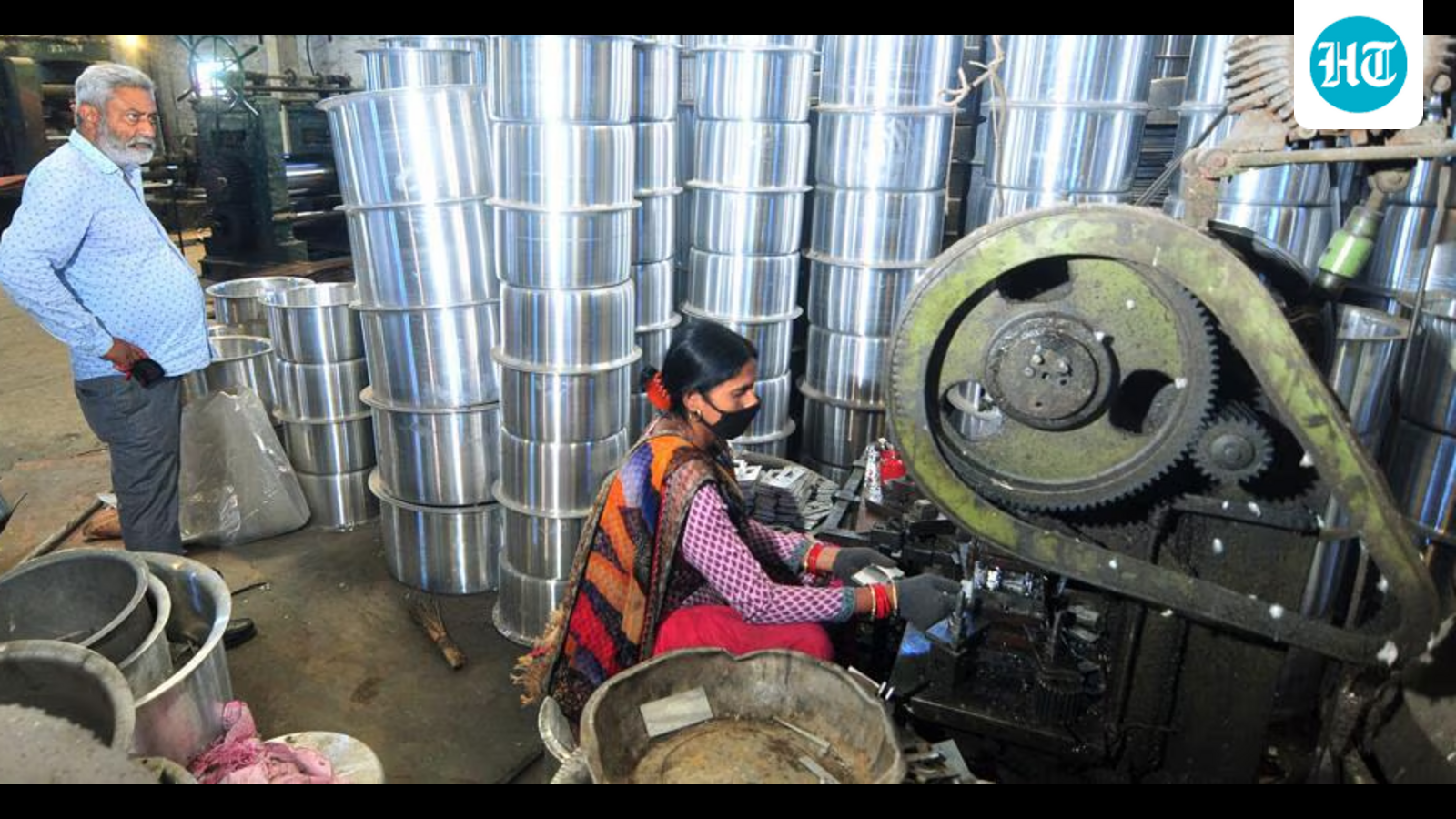
The 2017 amendment to the Maternity Benefit Act, designed to be a landmark move for gender equality in the workplace, may have inadvertently created a hurdle for women’s employment in India’s manufacturing sector. A new study, titled “Mandated Maternity Leave and Labour Substitution: Firm-Level Evidence from India,” highlights a concerning trend: firms have increasingly shifted toward hiring men over women to avoid the financial and logistical burdens imposed by the expanded mandate.
The amendment, which extended paid maternity leave from 12 to 26 weeks for the first two children, also mandated that establishments with 50 or more employees provide on-site creche facilities. While intended to support working mothers, the policy has triggered a notable shift in hiring patterns at covered manufacturing firms.
Declining Numbers and Labour Substitution
Research conducted by Souvik Banerjee and Preeti Jaiswal of IIT Bombay, alongside Sankar Mukhopadhyay of the University of Nevada, Reno, utilized Annual Survey of Industries data from 2012–13 to 2019–20 to map the impact of the policy. Their findings, published in the IZA Discussion Paper Series, reveal that female employment in covered firms dropped by 8.4%, while male employment saw a 2.6% increase.
The data further shows that the number of days women worked fell by 9.5%, contrasted by a 2.1% rise in working days for men. The researchers noted that the impact was most pronounced in sectors with a traditionally higher concentration of female employees. In these industries, the drop in female hiring reached 12%, while male hiring climbed by 4.1%. Intriguingly, the study found no measurable change in overall firm productivity or profitability, suggesting that the substitution was driven by the perceived cost of compliance rather than a dip in output.
Systemic Barriers Beyond Manufacturing
The findings of the study resonate with broader labor trends observed by experts in the field. Harshil Sharma, a labor studies researcher with extensive experience in policy reform, noted that these barriers are not confined to the manufacturing sector.
“Data from the Periodic Labour Force Survey (PLFS) mirrors this narrative,” Sharma said. He pointed out that while construction employs roughly 15.6% of India’s male workforce, the share of women remains below 5%. According to Sharma, contractors often bypass female labor to avoid the administrative and infrastructural requirements associated with the law, such as providing separate sanitation facilities or managing maternity claims. “Well-intentioned laws meant to empower women can, in practice, act as barriers to their entry into the formal economy,” he added.
A Call for Policy Reform
The researchers advocate for a structural rethink of how maternity benefits are funded. Currently, the entire financial burden rests on the employer, which provides a direct economic incentive to avoid hiring women of childbearing age.
To mitigate this, the study’s authors recommend transitioning to a social insurance model, where the cost of maternity leave is socialized rather than borne by individual firms. Additionally, they suggest the introduction of government-financed paternity leave to help normalize caregiving responsibilities across genders. Finally, there is an urgent need to extend these protections to the informal sector, where the vast majority of Indian women work without any legal recourse or support.
As India strives to boost its female labor force participation rate, the study serves as a critical reminder that labor policy must balance immediate protections with the long-term goal of fostering an inclusive and sustainable work environment.
Disclaimer: This content is auto-generated for informational purposes only.
Source: Read Original News