







Strengthening Energy Ties: U.S. Diplomatic Push Centers on Jamnagar Refinery
In a significant diplomatic move aimed at recalibrating global energy supplies, U.S. officials are looking toward India’s premier industrial hub in Gujarat to help mitigate the volatility of international oil markets. As Washington intensifies efforts to encourage nations to diversify their energy imports away from Russia, the massive Jamnagar refinery, operated by Reliance Industries, has emerged as a focal point for strategic cooperation.
Leveraging India as a ‘Refining Superpower’
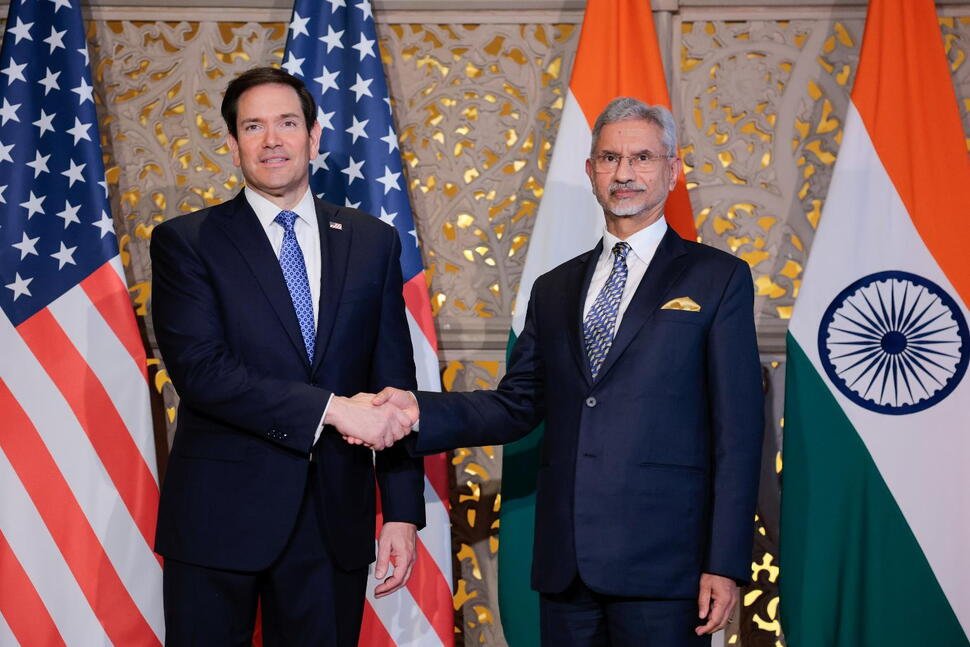
During a recent visit to Mumbai, U.S. representative Marco Rubio highlighted the critical role India plays in maintaining global energy stability. Emphasizing that India serves as a “refining superpower,” Rubio pointed to the nation’s sophisticated infrastructure as a primary asset in processing Venezuelan crude oil.
As Washington explores avenues to expand Venezuelan oil production, the ability of Indian facilities to handle heavy crude becomes a key factor in boosting global supply. “They have the capability to refine heavy crude. They’ve done so in the past, and I think as more and more Venezuelan oil comes online, it’s something they can do,” Rubio noted. While acknowledging that Venezuelan oil alone cannot solve all supply chain hurdles, he suggested that it could provide essential short-term relief during periods of market instability.
Energy Security Amid Geopolitical Unrest
The outreach to Reliance comes at a time of heightened anxiety regarding global shipping routes. Conflicts involving Iran and Yemen have placed immense pressure on chokepoints like the Strait of Hormuz and the Red Sea, threatening the smooth flow of energy exports to the rest of the world.
Rubio underscored the intrinsic link between energy availability and national security. With the Jamnagar facility boasting a processing capacity of roughly 1.4 million barrels per day, its ability to convert raw crude into vital fuels like gasoline and diesel is seen as a bulwark against potential economic collapse in regions vulnerable to energy shortages. By engaging with industry leaders, Washington aims to streamline energy distribution and hedge against the risks posed by ongoing geopolitical disruptions.
Reliance: A Global Industrial Pivot
The visit to Jamnagar is not merely a diplomatic overture but a recognition of the profound influence wielded by Reliance Industries and its chairman, Mukesh Ambani. The company’s reach has expanded far beyond its traditional oil and gas roots, encompassing telecommunications, retail, and a massive pivot toward sustainable energy solutions.
The partnership between the U.S. and Reliance also extends to American soil. A recent announcement regarding a $300 billion refinery project in Brownsville, Texas, backed by the Indian conglomerate, highlights the deep integration of Reliance into the U.S. administration’s energy agenda.
Beyond its industrial prowess, Jamnagar has also transformed into a global stage for the Ambani family’s international networking. Following a series of high-profile, lavish celebrations that drew the world’s elite to the city, the refinery has solidified its reputation as the “crown jewel” of the Reliance empire. As the U.S. seeks reliable partners in an increasingly unstable world, Jamnagar stands at the intersection of private corporate influence and international statecraft, positioning India as an indispensable ally in the global energy landscape.
Disclaimer: This content is auto-generated for informational purposes only.
Source: Read Original News