







UN Experts Criticize India’s “Heavy-Handed” Response to Student-Led Protests
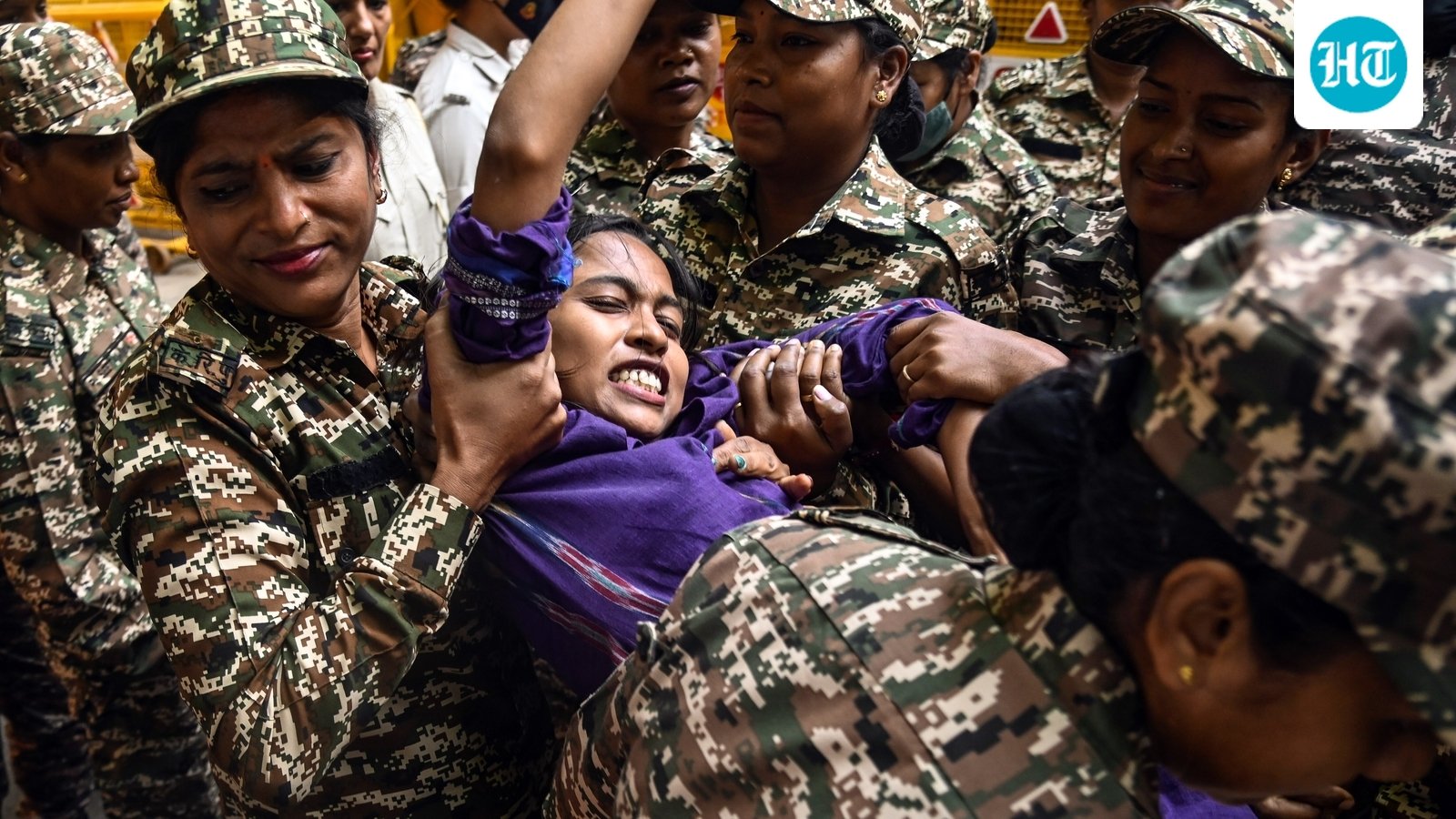
A panel of United Nations experts has issued a stern critique regarding the Indian government’s handling of recent youth-led demonstrations across the country. In a statement released from Geneva, the experts characterized the police response as “heavy-handed,” highlighting a persistent trend of state-sponsored restrictions on peaceful assembly, arbitrary detentions, and the use of excessive force against student activists.
The ongoing unrest, which began over grievances regarding the education sector, has evolved into a significant political challenge for the Union government. The latest surge in protests was triggered by the Election Commission’s Special Intensive Revision (SIR) of electoral rolls. According to UN observers, this exercise impacts approximately 130 million people—a population size comparable to Mexico—and disproportionately targets Muslims, as well as those from Scheduled Castes and Scheduled Tribes.
A Growing Standoff Over Electoral Rolls
The controversy surrounding the electoral roll revision intensified in late September, fueled by reports that two deputies serving under Chief Election Commissioner Gyanesh Kumar had internally flagged concerns regarding the process. Student organizations and the newly formed Cockroach Janta Party have spearheaded calls for Kumar’s resignation, labeling their current wave of activism “Season 2.”
While the Bharatiya Janata Party (BJP) and the Election Commission have consistently denied allegations of bias, describing the SIR as a standard administrative cleanup, opposition parties and independent observers argue the process lacks transparency. Because official religion-based data remains unpublished, critics rely on analysis of names to support claims that specific communities are being marginalized.
Allegations of Rights Violations
The UN experts expressed profound concern over the scale of law enforcement’s intervention. Reports indicate that over 7,000 individuals—including journalists, lawyers, students, and human rights defenders—were detained in New Delhi alone. Detainees were reportedly transported to remote facilities, where their communication devices were confiscated and protest-related content was scrubbed before their release.
The experts’ report also highlighted disturbing allegations of gender-based abuse and sexual violence occurring within these detention centers. They further questioned the legality of the tools used by authorities, specifically the invocation of Section 163 of the Bharatiya Nagarik Suraksha Sanhita. This provision, used to impose broad prohibitions on gatherings, internet shutdowns, and transport restrictions, was described by the panel as a violation of India’s international human rights obligations, including the rights to liberty, free expression, and assembly.
Call for Accountability and Reform
The UN panel has issued a formal call for the Indian government to immediately halt the use of excessive force and terminate blanket assembly bans. They also requested an end to the alleged misuse of digital surveillance and biometric tracking during protests. Furthermore, the experts demanded an independent and impartial investigation into the conduct of security personnel to ensure justice and provide reparations for those affected.
The Indian government, which previously dismissed similar UN commentary as “unwarranted interference,” has not yet issued a formal response to these latest allegations. As the standoff persists and protest groups pledge to continue their movement until electoral reforms are enacted, the situation remains a critical test of the democratic space available for public dissent in India. The UN experts emphasized that the state must move beyond reactive security measures and instead uphold the fundamental democratic right of citizens to assemble and voice their grievances without fear of retribution.
Disclaimer: This content is auto-generated for informational purposes only.
Source: Read Original News