







India and US Poised for Strategic Trade Deal: Trump Signals New Era in Bilateral Economic Ties
In a significant development for the India-US strategic partnership, United States President Donald Trump has indicated that the two nations are on the cusp of finalizing a comprehensive trade agreement. Speaking to reporters from the Oval Office on October 20, President Trump expressed optimism regarding the progress of negotiations, noting that both governments are “fairly close” to bridging remaining gaps.
Emphasizing the transformative nature of the upcoming pact, the President remarked that this agreement would be structured differently from previous bilateral commercial arrangements. This signals a departure from standard trade templates, suggesting a focus on contemporary challenges such as digital trade, supply chain resilience, and strategic industrial cooperation.
Renewed Momentum in Negotiations
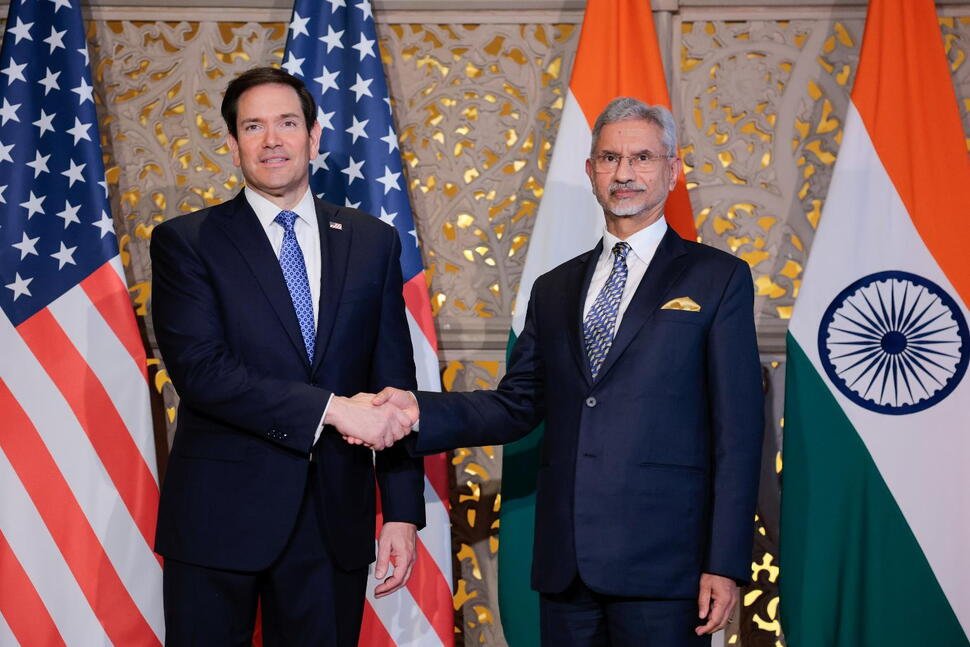
The timing of President Trump’s remarks coincides with a high-stakes diplomatic visit by US Secretary of State Marco Rubio to India. During his visit, Secretary Rubio held extensive discussions with Indian leadership, covering a broad spectrum of interests including energy, defense, cutting-edge technology, and enhanced people-to-people engagements. These talks are viewed as a critical component in laying the groundwork for the structural framework of the new trade deal.
The path to this agreement has been a culmination of several months of rigorous dialogue. Earlier in October, India’s Union Minister for Commerce and Industry, Piyush Goyal, conducted high-level meetings with US Trade Representative Jamieson Greer in Milwaukee and Washington. These interactions were aimed at refining the finer details of the pact to ensure that it aligns with the evolving economic priorities of both New Delhi and Washington.
Overcoming Policy Hurdles
The current progress follows a period of recalibration. Earlier this year, in February, both nations had publicly announced the finalization of the initial framework for the first phase of a bilateral trade agreement. However, the momentum was momentarily disrupted by shifts in US tariff policies, which necessitated a further round of intense consultations to align the interests of domestic industries in both countries.
Officials on both sides remain confident that the latest round of talks has successfully addressed these hurdles. By pivoting toward a “completely different type of deal,” both governments appear to be aiming for a modernized agreement that addresses the specific concerns of the post-pandemic global economy.
Strategic Implications
For India, a successful trade deal with the United States represents more than just market access; it is a vital pillar in the broader “Comprehensive Global Strategic Partnership.” As both nations seek to de-risk their supply chains and deepen ties in the technology sector—particularly in areas like semiconductors and artificial intelligence—this trade agreement is expected to provide the legal and economic architecture necessary to accelerate such cooperation.
As the negotiations enter their final phase, both Washington and New Delhi are under pressure to demonstrate that their bilateral relationship can yield tangible results that benefit their respective workforces and businesses. With both leaderships signaling strong intent, stakeholders remain optimistic that the forthcoming deal will serve as a foundational document for a more integrated economic future between the world’s two largest democracies.
Disclaimer: This content is auto-generated for informational purposes only.
Source: Read Original News