






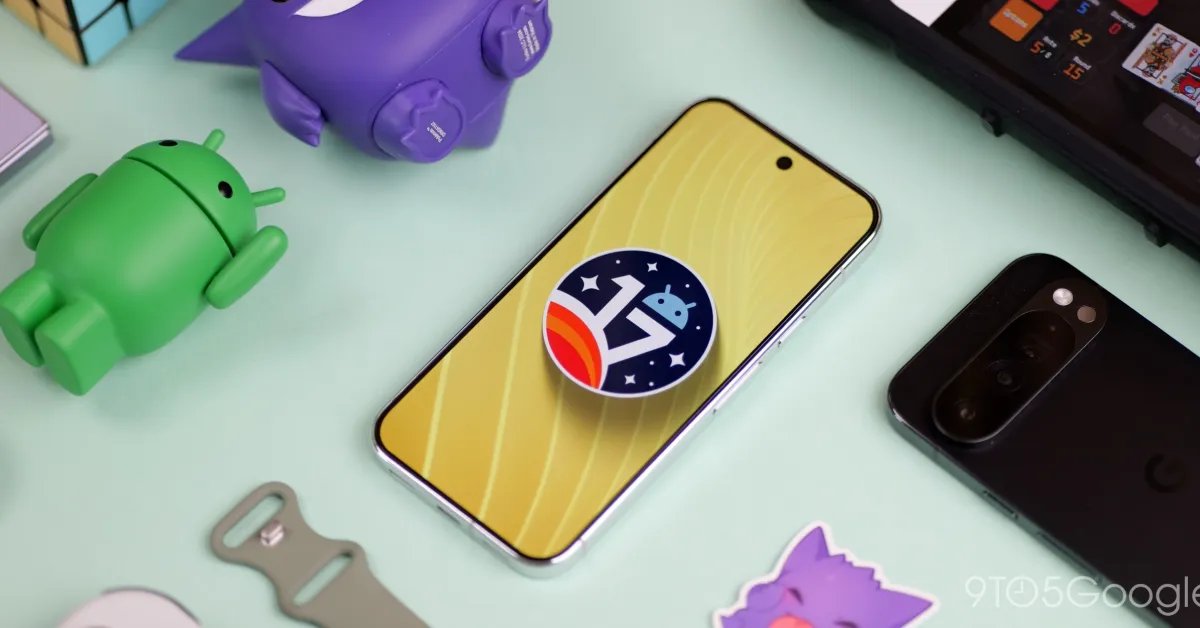
Google has officially initiated the rollout of Android 17 QPR3 Beta 2, bringing a suite of refinements and stability improvements to the Pixel hardware ecosystem. This iteration is part of the ongoing Quarterly Platform Release (QPR) program, which focuses on mid-cycle adjustments, bug fixes, and feature testing ahead of broader public distribution. The update covers a wide range of devices, extending from the Pixel 6a through to the latest Pixel 11 Pro series.
Enhanced Security for Quick Settings
A primary focus in this beta release is the introduction of more granular control over the Quick Settings menu. Security and privacy remain paramount, and Google has implemented a new configuration that allows users to lock specific connectivity toggles. By navigating to Settings, selecting Display & touch, and entering the Lock screen menu, users can now toggle a requirement for device authentication before changing Wi-Fi, Bluetooth, Airplane mode, or mobile data states.
This feature, originally identified during earlier testing phases, addresses a common security concern: unauthorized access to device radio states when a phone is locked. By requiring a PIN, pattern, or biometric verification, the update prevents individuals who might gain temporary physical access to a locked device from disabling connectivity, which is often a critical factor in location tracking and remote device management.
Refining the Wallpaper and Style Carousel
The customization experience has received a visual update within the Wallpaper & style interface. The carousel now presents a more intuitive layout for managing device aesthetics. Users can easily access and apply various personalization elements, including theme packs, custom icon sets, and specialized shape effects.
Furthermore, the integration of Animate and Weather effects offers a more dynamic user interface. These features allow the device home screen to respond to ambient conditions or user interactions with subtle, fluid transitions. The shift in this version of the beta appears designed to streamline how users discover and apply these modifications, reducing the number of menu taps required to refresh the appearance of the operating system.
Comprehensive Stability and Bug Fixes
Android 17 QPR3 Beta 2 addresses a significant backlog of issues that impacted device reliability in previous builds. Engineers have focused heavily on correcting stability problems that caused intermittent crashes and unexpected reboots during standard operation. These resolutions are vital for the continued viability of the beta program, ensuring that testing can proceed without hardware failure preventing software evaluation.
Among the notable technical fixes are adjustments to the media output dialog, which previously failed to adhere to the monochrome system theme when external audio hardware was connected. The update also rectifies a persistent issue involving the share sheet, where the pin icon alignment was prone to graphical glitches. Additionally, specific network-related bugs—such as failed connectivity on Dish Network and the unavailability of VoLTE or Wi-Fi calling on smaller carrier networks like IT&E and OXIO—have been resolved, improving compatibility across a wider spectrum of telecommunications providers.
Optimizing Battery and Power Management
Beta 2 includes critical fixes regarding power consumption, specifically targeting high idle battery drain. Investigations revealed that motion sensors were failing to enter a low-power state after the use of Face Unlock or the camera module. This resulted in unnecessary power draw while the device was in a standby state. By forcing the sensors to properly suspend their activity, the current update aims to normalize battery longevity for users who utilize biometric security features frequently throughout the day.
Additional improvements address display-related errors, such as instances where the screen would remain black and unresponsive after completing a phone call. This bug, which likely stemmed from a proximity sensor conflict or a hang in the system UI service, has been marked as resolved. Such fixes are essential for maintaining the core functionality of a smartphone, where basic tasks like telephony must remain seamless.
Broader Implications for System Integrity
Beyond the user-facing changes, this beta addresses deeper software-level errors, including issues with the Linux development environment within the Terminal application and failures in Wi-Fi Aware protocol handshakes. By rectifying internal PublishedApi declarations that were causing source compatibility errors, Google is ensuring that the Android development environment remains robust for both system engineers and application developers.
For those running the beta, this release represents a more polished experience compared to the initial QPR3 test builds. The wide-ranging scope of these patches indicates a focused effort to bring the software to a release-ready state. Users operating compatible hardware, including the expansive list of Pixel models from the 6a to the 11 Pro Fold, are encouraged to install this update to benefit from the increased stability and the enhanced security controls introduced in this cycle. As the testing phase continues, this build serves as a stable foundation for the next round of feature implementation and refinement.
Disclaimer: This content is auto-generated for informational purposes only.
Source: Read Original News