








The Evolution of In-Vehicle Artificial Intelligence
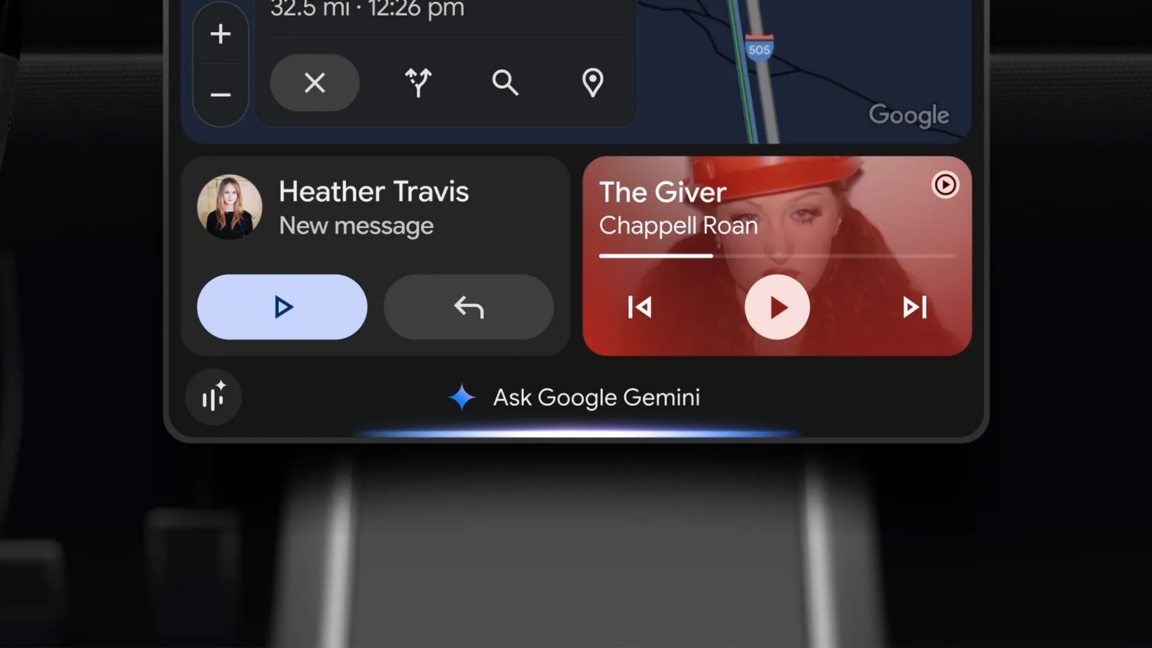
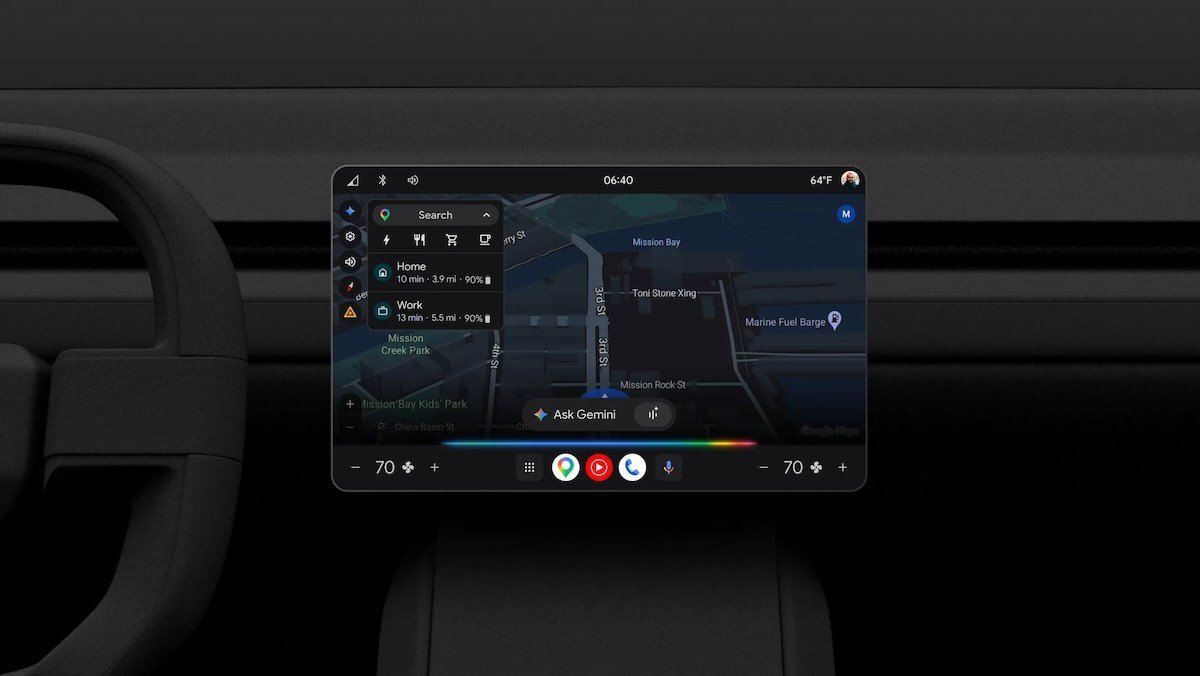
Google is significantly advancing the capabilities of its automotive technology by integrating its advanced Gemini artificial intelligence into the driving experience. This latest update shifts the paradigm of the vehicle infotainment system from a passive interface to an active, context-aware personal assistant. By leveraging the vast ecosystem of Google services—including Gmail, Google Calendar, YouTube, Maps, and Search history—the company is enabling Gemini to process information that is uniquely tailored to the individual driver.
This strategic expansion is being deployed across two primary platforms: Android Auto, which relies on the connectivity between a user’s mobile device and the vehicle’s display, and Google Built-in, which integrates the operating system directly into the car’s hardware. The introduction of “Personal Intelligence” signifies a departure from generic voice commands toward a conversational model that understands the user’s specific context, preferences, and daily schedule.
Technical Integration and Platform Availability
The rollout of Personal Intelligence begins immediately for users of Android Auto. Drivers who utilize their smartphones to mirror content to their vehicle’s dashboard will gain access to these advanced features first. For those whose vehicles utilize Google Built-in—where the operating system is natively hosted on the car’s internal computing hardware—the update is scheduled to arrive over the coming months.
Technically, this integration functions as a bridge across disparate data silos. By synthesizing information from various applications, the system creates a cohesive knowledge base. For instance, the AI can correlate a departure time stored in a Calendar entry with real-time traffic data sourced from Maps. This cross-pollination of data is processed locally where possible or through secure cloud requests, ensuring that the assistant has a holistic view of the user’s commitments. The deployment schedule underscores Google’s commitment to standardizing its AI framework across both aftermarket and factory-installed solutions.
Context-Aware Assistance in Real-Time
The core value proposition of this update lies in its ability to handle complex, multi-layered queries. Traditional automotive voice assistants typically require discrete, simplified commands to function effectively. In contrast, Gemini with Personal Intelligence is designed to process natural language input that involves multiple variables.
Consider the scenario of a driver heading to the airport. In the previous iteration of in-car AI, the driver would need to check their flight status on a phone before manually inputting the airport address into the navigation system. With the new update, the driver can simply ask, “What gate is my flight leaving from, and is it still on time?” Gemini retrieves the flight information from the user’s Gmail and Calendar, cross-references it with current status updates, and provides a consolidated answer in a single response. This reduction in cognitive load is intended to minimize driver distraction, allowing for safer interactions with the vehicle’s secondary systems.
Data Governance and User Privacy
As the vehicle becomes a repository for sensitive personal data—ranging from meeting schedules to location history—questions regarding privacy and surveillance naturally arise. Google has emphasized that the integration of Personal Intelligence is entirely opt-in, meaning no data correlation occurs unless the driver explicitly consents to the feature.
Beyond the initial opt-in, the system provides granular controls that allow users to curate their experience. Drivers can manage which Google services are connected to the vehicle interface, effectively setting boundaries on what the AI can access. If a user prefers to keep their email data separate from their driving experience, they retain the ability to disable that specific data feed while maintaining navigation or media controls. This modular approach to data access is a critical component of Google’s effort to balance the utility of high-level AI with the necessity of user autonomy.
Impact on the Automotive Ecosystem
The integration of Gemini into the driving environment serves as a significant anchor for the Google ecosystem. As vehicles become increasingly digitized, the ability to maintain a consistent digital workspace between the home, the office, and the driver’s seat becomes a competitive advantage. By extending its AI presence into the cockpit, Google effectively locks in its position as a primary service provider for the modern driver.
This move also signals a shift in the automotive industry’s view of infotainment. Historically, car manufacturers focused on internal hardware reliability and proprietary software. However, the success of platforms like Android Auto suggests that consumers prioritize the seamless transition of their digital lives into the cabin. As vehicles transition toward becoming software-defined, the ability of an AI to “connect the dots” between a user’s digital history and their physical movement will likely become a baseline requirement for new car owners.
Future Outlook for In-Car AI
While this rollout focuses on information retrieval and coordination, the long-term potential for Gemini in the automotive sector is significant. As the models become more capable, the system could move beyond simple data synthesis to proactive suggestions—such as recommending a stop for an electric vehicle charging session based on a calendar event, or pre-adjusting vehicle climate settings based on weather data and past personal preferences.
The deployment of Personal Intelligence represents a necessary step in the maturity of in-car technology. By shifting the vehicle from a tool that responds to direct commands to an intelligent partner that anticipates needs, Google is changing the relationship between the driver and the machine. As these systems move from beta to global implementation, the effectiveness and reliability of these AI integrations will serve as a primary metric for user adoption in the coming years.
Disclaimer: This content is auto-generated for informational purposes only.
Source: Read Original News