







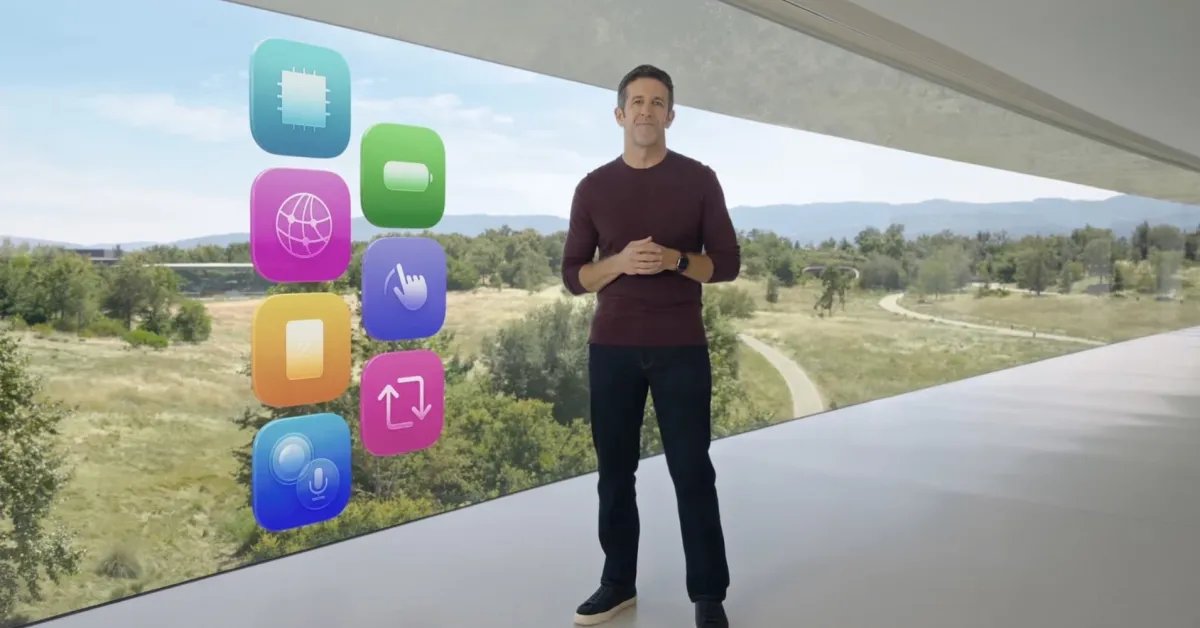
In a recent in-depth interview with TIME, Apple’s new CEO, John Ternus, provided clarity on his leadership style and the core philosophies that continue to drive the company’s product development. As the former lead of hardware engineering, Ternus brings a technical pedigree that informs his management approach, particularly regarding the integration between engineering and design. The discussion serves as a window into how Apple navigates the complexities of modern consumer electronics while maintaining its signature focus on user-centric aesthetics.
The Synergy Between Engineering and Industrial Design
A recurring theme in the discourse surrounding Apple’s internal culture is the friction—or lack thereof—between its creative and technical teams. Ternus addressed this by highlighting his background as a mechanical engineer, noting that he has spent his career working alongside industrial designers. He pushed back against the industry-standard trope where designers hand off concepts to engineers who must then “make it work.”
Instead, Ternus described a collaborative environment where cross-disciplinary teams work in lockstep from the inception of a product. He noted that Apple’s designers possess a functional understanding of engineering limitations, while the engineers maintain an appreciation for the design intent. This reciprocal relationship allows the company to pursue complex hardware features—such as intricate device enclosures or advanced internal layouts—without sacrificing the reliability or performance standards that consumers expect from the brand.
Prioritizing Design as a Core Competency
For Ternus, the statement that “design means everything” is not merely corporate marketing; it is a foundational operational principle. During the interview, he emphasized that design at Apple encompasses both software and hardware, creating a unified identity for the product catalog. This holistic perspective is critical for maintaining the company’s competitive advantage in a crowded market.
By keeping design at the center of the decision-making process, Apple avoids the trap of focusing solely on spec-sheet supremacy. Instead, the focus remains on the totality of the user experience. This includes how a device feels in the hand, the precision of its components, and the seamless interaction between the operating system and the physical hardware. For the new CEO, this alignment is the primary indicator of a successful project, ensuring that aesthetic goals do not compromise the technical viability of the hardware.
Leadership and the Hands-On Approach
Since assuming the role of CEO, speculation has centered on whether Ternus would remain as involved with product design as he was during his tenure leading hardware engineering. His recent comments suggest that while his responsibilities have shifted toward broader corporate oversight, his technical involvement remains a high priority. He continues to engage with the design teams directly, ensuring that the company’s product roadmap stays true to its historical commitment to form and function.
This leadership style suggests a continuation of Apple’s tradition of engineer-led innovation. By remaining active in the design process, Ternus ensures that the company does not lose sight of the technical nuances that differentiate its products. It also signals a stable transition period, as the leadership team leans into the expertise that defined the company’s success over the previous decade.
The Future of Hardware Development
The conversation also touched upon the broader landscape of the consumer electronics industry. Ternus offered insights into how Apple evaluates emerging trends and competitor offerings. While the market has seen a surge in foldable devices and experimental form factors, Apple’s approach remains one of deliberate refinement rather than rapid iteration for the sake of novelty.
The emphasis on long-term product durability and functional design suggests that Apple will continue to prioritize high-quality execution over being first to market with unproven technologies. For developers and hardware enthusiasts, this confirms that the company will likely continue its trajectory of iterative improvement. The goal remains to create hardware that is not only high-performing but also inherently approachable and reliable for the end user.
Impact on the Product Ecosystem
As John Ternus charts the course for Apple’s future, the focus on the design-engineering partnership will likely have significant implications for the next generation of products. By fostering a culture where engineers and designers are equally invested in the final product’s outcome, the company is positioned to continue balancing high-performance silicon with compact, refined industrial design.
Ultimately, the interview serves as a reinforcement of the principles that have kept Apple at the forefront of the technology industry. By treating design as an essential, integrated function rather than a secondary aesthetic layer, the company maintains a unique position in the market. As Ternus settles into his new role, the tech community will continue to watch how these philosophies manifest in upcoming hardware releases, specifically in how the company approaches the challenges of balancing increasingly complex internal architectures with its iconic minimalist design language.
Disclaimer: This content is auto-generated for informational purposes only.
Source: Read Original News