








The Arrival of the iPhone Duo
Apple is set to officially release the iPhone Duo this coming Friday, October 23, marking a significant departure from the traditional smartphone form factor the company has maintained since the inception of the iPhone series. As the first foldable device from Apple, the iPhone Duo represents years of research into flexible display technology and specialized hardware engineering. Following a period of intense anticipation and record-breaking pre-order figures, the company has issued a formal statement confirming that physical store inventory will be highly restricted for walk-in purchasers.
The release strategy is being managed through a tiered geographic approach, reflecting the high manufacturing complexity of the new device. In major markets including the United States, Canada, the United Kingdom, Germany, and Australia, Apple physical locations will carry limited stock for those who did not secure a pre-order. However, in several regions—specifically France, China, Japan, and India—the device will be handled exclusively through a reservation-based system. This distinction underscores the supply chain constraints inherent in transitioning to a foldable display architecture, which requires precision-engineered hinge components and specialized protective glass.
Engineering Innovations in Foldable Hardware
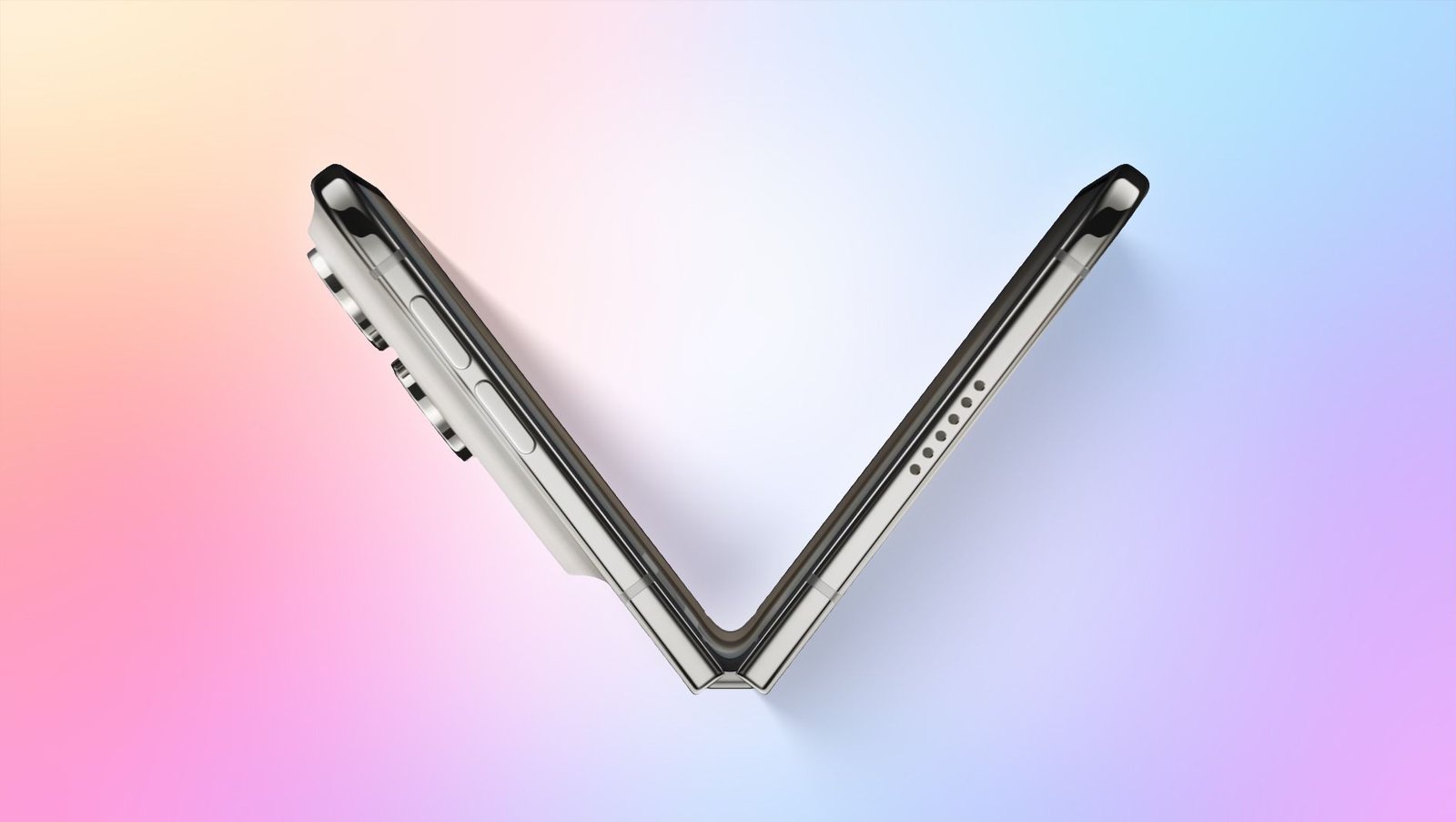
The technical core of the iPhone Duo centers on a proprietary multi-link hinge mechanism designed to eliminate the central crease common in competitor foldable devices. Apple engineers have integrated a synchronized mechanical structure that allows the two display panels to sit perfectly flush when closed. This design is paired with an advanced iteration of Ceramic Shield glass, re-engineered for structural flexibility without compromising hardness.
The device utilizes a dual-OLED implementation that provides a seamless visual experience when fully extended. By employing a high-frequency synchronization protocol, the system ensures that both sides of the screen refresh at identical rates, eliminating tearing or latency across the folding junction. Power management has also been overhauled for this release; the dual-battery configuration is managed by a customized A-series chip that balances processing loads across two distinct thermal zones, ensuring that the device remains cool even when executing demanding applications across both display segments.
Managing Extraordinary Demand
The decision to limit walk-in availability stems from the combination of overwhelming consumer interest and the logistical challenges of scaling production for a new form factor. Apple has explicitly cited extraordinary demand, which has already pushed shipping estimates for online orders well into the upcoming quarter. By controlling the flow of units at the retail level, the company aims to prevent inventory depletion at single locations and mitigate the impact of scalping, a common issue during the initial launch phase of high-demand consumer electronics.
In regions where walk-in purchases are entirely restricted, customers are required to schedule specific pickup times through the digital portal. This systematic approach allows retail staff to provide personalized setup assistance, which is critical given that the software interface for the iPhone Duo—known as iOS-Fold—includes new multitasking gestures and window management utilities that differ significantly from the standard iPhone interface.
Software Integration and Multitasking Workflows
The iPhone Duo is not merely a hardware upgrade; it introduces a paradigm shift in how users interact with the mobile operating system. The software environment is designed to detect the angle of the hinge, enabling specialized UI states. For instance, in a semi-folded configuration, the device can act as its own tripod for video calls or media playback, with the top screen acting as the primary display and the bottom segment providing control interfaces or accessory tools.
Productivity applications have been optimized to span both screens, allowing for a desktop-like environment where users can drag and drop assets between two active windows. The integration of high-speed memory modules ensures that the system handles these concurrent processes with minimal overhead. Furthermore, the user interface automatically reflows content based on the fold state, ensuring that icons and text do not get obscured by the hinge line. This software-hardware synergy is intended to move the device beyond being a mere portable phone, positioning it instead as a versatile tool for professionals who require expanded screen real estate without the bulk of a tablet.
Strategic Retail Distribution
The retail distribution plan for October 23 reflects a nuanced understanding of global market dynamics. While the U.S. and several European nations will allow walk-in traffic, the restrictions in Asia and the Middle East demonstrate a deliberate focus on orderliness and resource allocation. By requiring reservations in these territories, Apple maintains control over the consumer experience, ensuring that every person walking away with an iPhone Duo understands the hardware capabilities and maintenance requirements of the foldable display.
For those unable to acquire the device on launch day, the company has indicated that internal reservation systems will be refreshed on Saturday, October 24. This staggered availability serves to manage the anticipated foot traffic and allows retail teams to replenish floor displays. As the industry observes this launch, the success of the iPhone Duo will be measured not only by sales volume but by the reliability of its hinge and the stability of the software adaptation, setting the standard for the next decade of mobile hardware design.
Disclaimer: This content is auto-generated for informational purposes only.
Source: Read Original News