









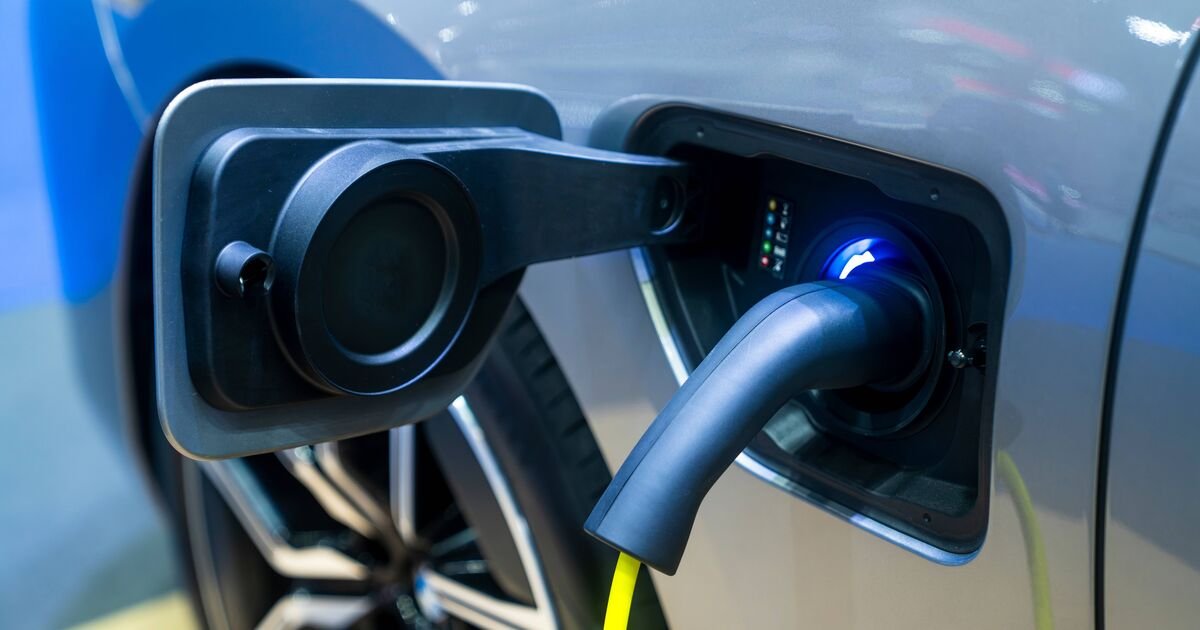
The dream of driving an electric car often hits a hard reality when you return home to find your street packed with parked vehicles and not a single driveway in sight. For many city dwellers and those living in terrace houses, the lack of private parking has been a major barrier to making the switch to electric transport. But recent changes in government regulations are finally clearing the path, making it much easier to bring the convenience of home charging to your front door.
Say Goodbye to Planning Permission Headaches
For a long time, the bureaucratic process of installing a charging setup on a public pavement felt like trying to solve a complex puzzle. You had to navigate endless forms and wait for planning approvals that seemed to take forever. The good news is that the government is officially cutting through this red tape. You no longer need to jump through the traditional planning permission hoops to get a cross-pavement charging solution installed. This change is designed to make the transition to electric power smoother and faster for the average driver, potentially saving you around £300 in administrative costs. It is a win for both your wallet and your weekend schedule.
What Exactly Is a Pavement Gulley?
If you are wondering how you can charge your car across a public sidewalk without causing chaos, the answer lies in a clever piece of infrastructure known as a charging gulley. These are essentially small, flush-mounted channels installed directly into the pavement. They allow you to feed your charging cable from your house to your car safely, tucked away so that pedestrians won’t trip over it. It is a tidy, efficient way to bridge the gap between your home electricity supply and your vehicle’s battery. While the planning permission requirement has been removed, you still need to get the green light from your local council to ensure the installation meets safety standards for your specific street.
The Massive Savings of Domestic Charging
One of the biggest perks of this change is the ability to tap into domestic electricity rates. If you have been relying on public rapid chargers, you already know the cost can add up quickly. Public charging points often come with a 20 percent VAT rate, which makes every session significantly more expensive than what you pay at home. By charging your vehicle overnight at your house, you take advantage of your domestic tariff, which is almost always a fraction of the price of public charging. Over the course of a year, this small adjustment to how you refuel your car can save you a small fortune, making the long-term cost of electric ownership much more manageable.
More Changes on the Horizon for Renters
The shift doesn’t stop at pavement gullies. The government is also looking at how to support those who don’t own their homes. If you rent your property, you have likely faced resistance from landlords or freeholders when asking for charging upgrades. New consultations are currently exploring mandatory requirements that would prevent landlords from unreasonably blocking requests for charge point installations. The goal is to ensure that wherever you live, whether it is a brand-new apartment block or a rented house, you shouldn’t be penalized for wanting to drive a greener vehicle. They are even looking into rules that would force new-build properties to come fully equipped with their own charging hardware from day one.
Practical Steps to Get Started
If you are ready to explore your own pavement setup, the first step is to check in with your local council. Even without the need for complex planning applications, the council still manages the pavement space and needs to authorize the work to ensure it complies with local safety rules. Start by visiting your council’s website or calling their transport department to ask about their specific scheme for EV charging gullies. It is also a smart move to talk to your neighbors. Since you share the street, keeping them informed about your plans can help prevent any confusion. As the number of electric cars on the road continues to climb, these infrastructure updates are transforming how we think about urban living, proving that you don’t need a sprawling driveway to enjoy the benefits of electric travel. With these barriers finally coming down, the road ahead looks clearer than ever.
Disclaimer: This content is auto-generated for informational purposes only.
Source: Read Original News