








The Intersection of Generative AI and Professional Ethics in Media
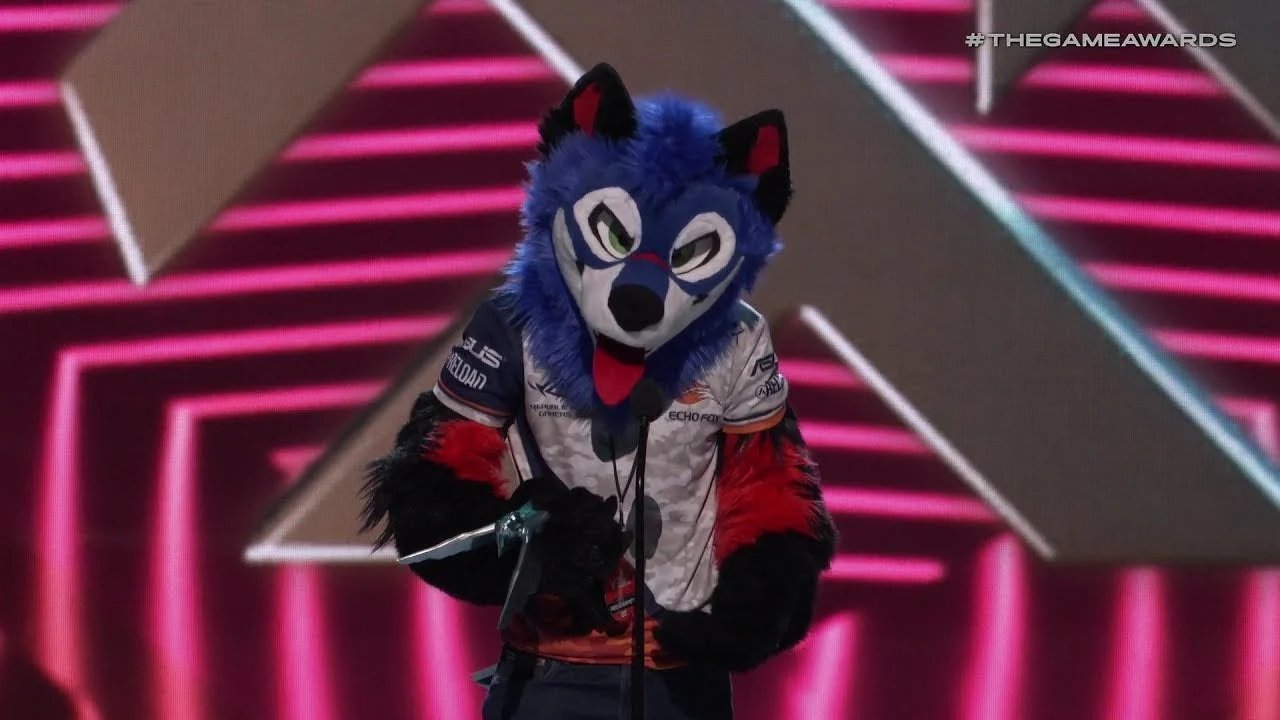
The recent controversy surrounding Nexcon 2026 highlights a growing tension between the rapid adoption of generative artificial intelligence (genAI) tools and the professional standards of the digital creator economy. When Dominique “SonicFox” McLean, a prominent figure in the professional fighting game circuit, discovered that promotional materials for the Oklahoma-based convention featured an AI-generated likeness without consent, the resulting public fallout became a case study in digital autonomy. This incident underscores the shift in how stakeholders perceive the use of synthetic media in commercial branding.
At the core of this conflict is the deployment of image generation models—tools designed to synthesize visual content based on text prompts. While these platforms offer significant time-saving capabilities for small teams, they also create complications regarding intellectual property, consent, and the perceived devaluation of human creative labor. For high-profile creators, their likeness serves as a professional asset, a brand identifier that they carefully curate. When that likeness is processed through an automated model, it often loses the precision and character that fans expect, resulting in the “slopified” aesthetic that sparked this particular dispute.
The Technical Limitations of Automated Content Creation
Generative AI models function by analyzing vast datasets of images to predict and reconstruct pixel patterns that resemble human features. However, these models frequently struggle with consistency and detail. In the context of Nexcon 2026, the promotional flyers displayed artifacts common to early-to-mid-stage genAI outputs: distorted facial geometry, inconsistent lighting, and stylistic blending that rendered recognized figures into uncanny or unrecognizable versions of themselves.
From a technical standpoint, the current generation of text-to-image software lacks the intent-driven nuance of traditional illustration. When a convention organizer opts for these tools, they are trading creative control for throughput. The challenge, as seen in this scenario, is that viewers are increasingly sensitive to the aesthetic signatures of AI-generated work. When a professional brand relies on these tools, the failure to produce a high-fidelity image can signal a lack of investment or care, inadvertently undermining the credibility of the event organizers.
Financial Constraints vs. Professional Standards
In his public response, Ty Bailey of Ninjutsu Entertainment cited resource scarcity as the primary driver for his team’s reliance on genAI. Balancing full-time employment with the complexities of event management is a common reality for organizers of niche conventions. Faced with a limited budget and the logistical burden of coordinating multiple guest appearances, Bailey turned to automated tools as a cost-cutting measure.
However, the decision to prioritize synthetic media over human collaboration illustrates a mismatch in values between the organizers and the talent they host. The professional creator economy relies on a symbiotic relationship between organizers and contributors. When an event chooses to circumvent human artists, it creates an atmosphere of friction. In this case, the justification that there was no capital available for professional design work was met with a firm rebuttal: that the contract funds allocated for the talent should have been reallocated toward commissioning human artists instead of using the AI-generated assets. This points to a fundamental prioritization error that can jeopardize the very partnerships essential for a convention’s success.
The Impact of Non-Consensual Likeness Generation
The use of a performer’s likeness without explicit approval presents a significant ethical hurdle. In the digital age, a creator’s image is protected not only by law but by the norms of the industry. Generating a synthetic likeness essentially commodifies a person’s identity without granting them agency over how that identity is presented.
When a performer like SonicFox sees their brand synthesized by an algorithm, it disrupts the direct line of communication between the creator and their audience. The “slop” effect—where features are blurred or morphed—acts as a dilution of the brand. For high-level competitors and influencers, maintaining visual accuracy is critical. By choosing to bypass the traditional approval process—which typically involves a creator providing their own headshots or promotional assets—the convention organizers failed to respect the standard operational procedure of media production.
Moving Toward a Balanced Future
The aftermath of this incident serves as a warning for future event planners. The path forward involves establishing clear protocols regarding the use of AI in marketing. For those managing conventions or media projects, it is imperative to implement transparency requirements. If synthetic media must be used due to logistical constraints, it should never involve the unauthorized likeness of a guest.
Furthermore, the response from the industry suggests a trend toward accountability. As SonicFox noted, there are consequences for failing to adhere to professional standards. The decision to redirect funds toward human creative talent represents a demand for quality and accountability. By prioritizing human collaboration, event organizers can foster more productive relationships with the creators who sustain their platforms.
Ultimately, technology exists to augment human endeavor, not to replace the essential components of professional trust. As tools for automated generation become more prevalent, the value of human-made assets—those that carry the specific intent, permission, and craftsmanship of the creator—is only likely to increase. The Nexcon 2026 dispute highlights that while the barrier to entry for content creation has lowered, the barriers of trust and reputation remain as high as ever. Organizers who miscalculate the importance of these human factors risk losing the very talent they depend on to drive attendance and engagement.
Disclaimer: This content is auto-generated for informational purposes only.
Source: Read Original News