








The Immersive Aesthetic of the Apple Fifth Avenue Launch
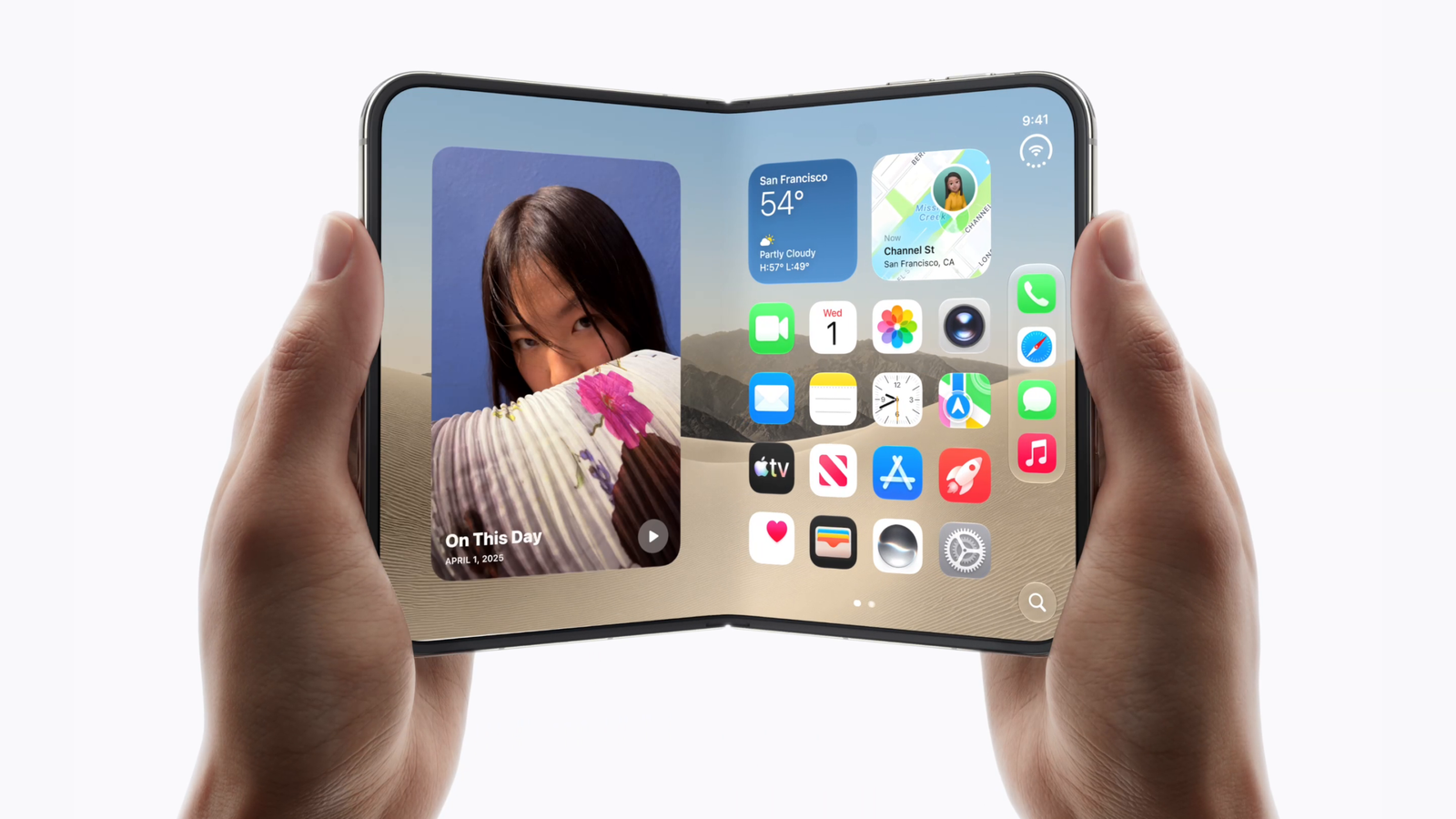
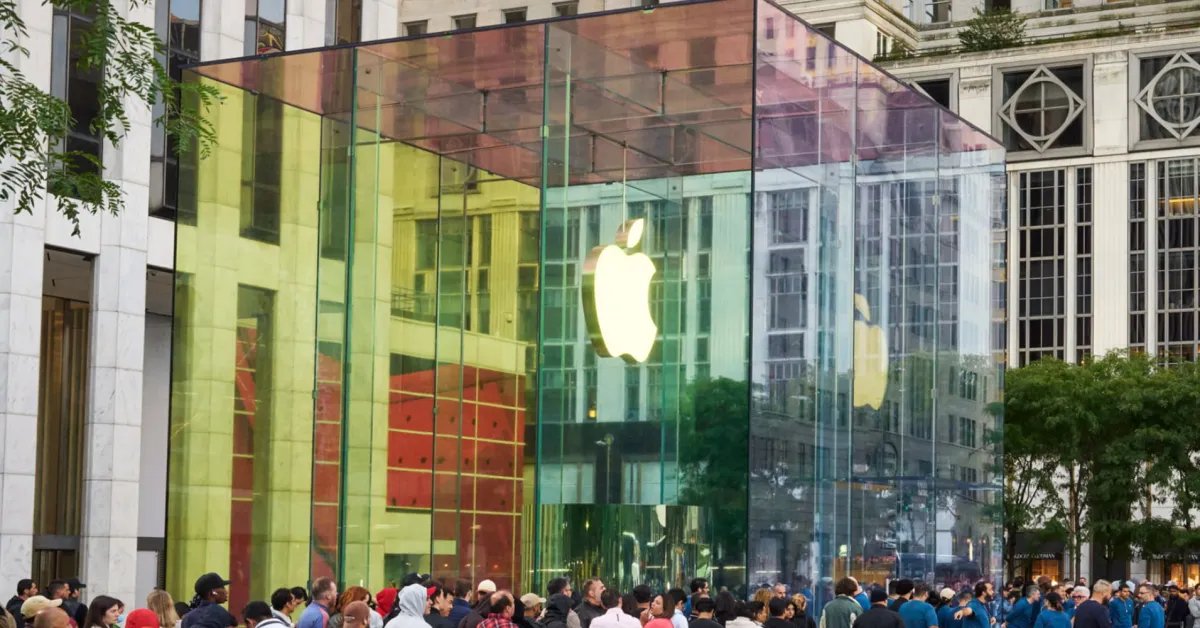
As the release date for the iPhone Duo approaches, the atmosphere at Apple’s flagship Fifth Avenue location in New York has shifted into a high-visibility staging ground. Observers and commuters have noted the arrival of several large, rectangular installations surrounding the iconic glass cube entrance. While currently obscured by protective black fabric and plastic wrap, the physical geometry of these structures strongly indicates that Apple is preparing to unveil oversized replicas of the iPhone Duo.
This approach to retail theater has become a hallmark of Apple’s major product rollouts. By transforming the physical environment of its most prominent store, the company creates a distinct landmark that serves as both a marketing tool and a focal point for the user community. These visual installations act as a physical representation of the device, generating public interest and signaling that the retail space is fully integrated into the global launch narrative.
Evolution of Apple’s Retail Marketing Strategy
The use of large-scale displays at Fifth Avenue is a consistent strategy for Apple, though the specific execution varies with each hardware iteration. In previous years, the company utilized light and color to communicate the identity of new products. For instance, the iPhone 16 launch featured custom illumination of the glass cube in colors associated with the Apple Intelligence suite, emphasizing the internal software capabilities of the device through external lighting.
More recently, the store was adorned in specific color palettes—burgundy, silver, and blue—to mirror the design language of the iPhone 18 Pro. These installations demonstrate that Apple views its retail stores not merely as points of sale, but as immersive brand environments. By syncing the architecture of its flagship locations with the hardware aesthetic, Apple reinforces the premium nature of its devices, ensuring that the physical launch event is as carefully curated as the digital launch presentation.
Regional Distribution and Availability Constraints
While the visual spectacle in New York captures public attention, the logistical reality of the iPhone Duo launch remains nuanced. Apple has confirmed a split strategy regarding availability. In the United States, retail locations will maintain a limited inventory of units for walk-in customers who arrive on launch day. This caters to the tradition of in-person shopping, which remains a key component of the Apple experience despite the growth of digital commerce.
Conversely, Apple has opted for a different model in several international markets. Consumers in Japan, France, and mainland China will find that the iPhone Duo is restricted to in-store pickup for orders placed online. This shift suggests an effort by the company to manage foot traffic more efficiently and prevent the logistical bottlenecks that often occur during high-demand release cycles. By mandating pre-orders in these regions, the company can streamline the transition from stockroom to customer, reducing wait times and ensuring that inventory levels are synchronized with confirmed demand.
Technical Expectations and Device Capability
The iPhone Duo arrives at a time when hardware expectations are centered on integration and performance efficiency. Industry experts and early reviewers have highlighted the device’s capabilities, noting improvements in processing architecture and display technology that differentiate it from its predecessors. For users, the primary appeal often lies in how the hardware facilitates daily tasks, whether through improved battery life, advanced sensor arrays for computational photography, or enhanced connectivity standards.
The focus on the iPhone Duo reflects broader industry trends toward optimizing user workflows through hardware-software alignment. By testing the device in real-world scenarios, reviewers have identified that the user experience is largely defined by the speed and responsiveness of the operating system when paired with the new silicon. For those lining up at retail locations, the interest is centered on accessing these specific technical improvements firsthand, bridging the gap between the marketing claims seen in advertisements and the actual utility of the device in their hands.
Retail Engagement and the Future of Physical Stores
The absence of a massive line at the Fifth Avenue location at this early stage may be attributed to evolving consumer behaviors, including the rise of home delivery and appointment-based shopping. However, the presence of the structures indicates that Apple remains committed to the physical retail experience. The company’s decision to continue decorating its flagship store suggests that despite the ease of digital ordering, the value of the physical store as a cultural hub remains intact.
This duality—where physical grandeur meets digital logistical efficiency—is the current trajectory for high-end consumer electronics. While many users will secure their iPhone Duo through online platforms, the spectacle at Fifth Avenue serves a wider purpose: it anchors the brand in the public consciousness and maintains the high level of anticipation that has come to characterize Apple launches. As Friday approaches, the uncovering of these structures will likely draw crowds, validating the company’s investment in retail architecture as a core pillar of its broader technological influence.
Disclaimer: This content is auto-generated for informational purposes only.
Source: Read Original News