








Engineering the Evolution of the Second-Generation Camaro
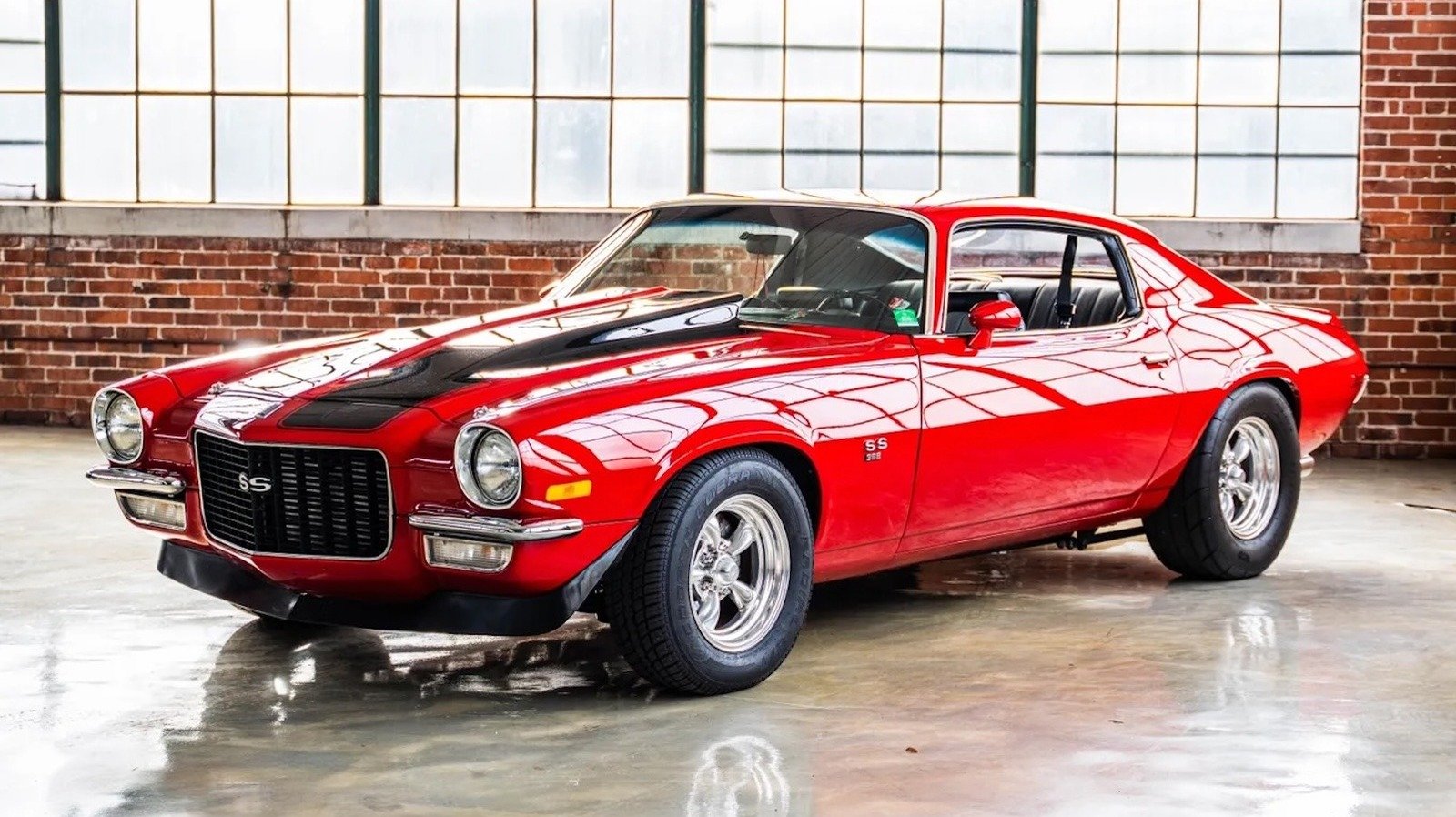
The second-generation Chevrolet Camaro, produced between 1970 and 1981, occupies a distinct space in automotive history. While the first generation captured the initial pony car fervor, the second iteration introduced a more aggressive, aerodynamic, and physically imposing silhouette that distinguished it from its predecessor. Today, this model serves as a prime canvas for high-performance restomod projects. A recently surfaced 1970 Camaro listed by Red Line Restorations exemplifies the transition from a vintage performance machine to a modernized, high-output street vehicle. By integrating contemporary forced-induction technology with classic displacement architecture, this build bridges the gap between mid-century styling and modern mechanical output.
The core of this machine is a 396-cubic-inch V8 engine, enhanced by a Vortech supercharger. This combination represents a classic approach to horsepower: increasing the density of the air-fuel mixture entering the combustion chamber to maximize thermal efficiency and explosive force. Unlike the naturally aspirated powerplants common in 1970, the addition of a supercharger forces air into the engine, effectively increasing the displacement’s output potential without requiring a significant increase in the physical size of the engine block. This modification provides the immediate throttle response characteristic of a large-displacement V8, while simultaneously achieving power figures that surpass factory specifications from the muscle car era.
Drivetrain Integration and Mechanical Refinement
A critical component of this build is the transition from older, less efficient manual transmissions to a modern Tremec five-speed manual gearbox. In classic vehicle restoration, the gearbox is often the limiting factor for usability. Older four-speed transmissions lacked an overdrive gear, which meant that high-output engines were forced to operate at high RPMs during highway driving, resulting in excessive heat, noise, and mechanical strain.
The Tremec five-speed addresses these issues by providing a dedicated overdrive ratio. This allows the driver to maintain legal highway speeds while keeping the engine within an optimal, lower RPM range. This conversion is not merely about comfort; it is a functional upgrade that protects the internal components of the engine by reducing friction and thermal load during sustained operation. By pairing the high-torque output of the supercharged 396 with a modern, synchronized transmission, the vehicle achieves a balance between raw acceleration and practical streetability.
Chassis Dynamics and Traction Management
Installing significant power into a vintage chassis requires a corresponding upgrade in handling and power delivery hardware. The 1970 Camaro features a leaf-spring rear suspension design, which historically struggles with axle wrap under heavy acceleration. This specific build incorporates CalTracs traction components to manage these forces. These systems are engineered to prevent the leaf springs from deforming under torque, ensuring that the downward force generated by the engine is transferred directly to the pavement rather than being lost to the kinetic energy of the suspension flexing.
Handling is further supported by upgraded lower control arms, fresh bushings, and a precision steering box. These components minimize play in the steering geometry, allowing for more predictable tracking at higher speeds. The wheel and tire setup—staggered 15-inch American Racing wheels fitted with 275-section Mickey Thompson tires at the rear—provides the necessary contact patch to translate the engine’s output into forward momentum. The integration of high-performance rubber is essential for modernizing the driving experience, as tire technology has evolved significantly in the decades since the car originally rolled off the assembly line.
Thermal Regulation and Fuel Delivery Systems
Reliability in a forced-induction engine depends heavily on the efficiency of the cooling and fueling systems. This build utilizes an Aeromotive fuel system, which provides consistent pressure and volume, ensuring the engine does not experience a lean condition—a scenario where insufficient fuel causes catastrophic internal heat. The fuel cell/tank upgrade further ensures that fuel delivery remains stable even during aggressive cornering or rapid acceleration.
Thermal management is handled by a Flex-a-lite aluminum radiator equipped with dual electric fans. Aluminum radiators offer superior heat dissipation compared to the original brass or copper units. The inclusion of an X-pipe in the MagnaFlow dual exhaust system also plays a role in performance. The X-pipe design promotes the scavenging of exhaust gases by balancing pressure pulses between the two banks of the V8 engine. This reduction in backpressure allows the engine to breathe more freely, which is particularly beneficial when the supercharger is forcing extra air into the combustion chambers.
Impact on the Collector and Enthusiast Market
The valuation of this 1970 Camaro at $77,000 places it in direct competition with modern factory performance vehicles. While a contemporary vehicle like the Ford Mustang Dark Horse offers modern electronic safety features, infotainment, and factory-backed warranties, it does not replicate the visceral, mechanical experience of a restomodded second-gen Camaro. The appeal here lies in the intersection of nostalgic design and custom mechanical engineering.
For many enthusiasts, the value proposition of a restomod is the elimination of the compromise inherent in a stock vintage car. Modern fuel injection, upgraded ignition systems, and performance cooling allow a fifty-year-old vehicle to be used with the same reliability as a current production model. As the internal combustion engine enters its final phases of mass production, the demand for high-quality, comprehensively upgraded classic cars is likely to persist. This Camaro serves as a testament to the longevity of the platform, demonstrating that with the right combination of aftermarket components, classic muscle remains a potent force in the automotive landscape.
Disclaimer: This content is auto-generated for informational purposes only.
Source: Read Original News