







TOKYO — A critical vulnerability discovered in the widely used programming language PHP has triggered a massive, preemptive shutdown of digital infrastructure across Japan. Major financial institutions, government agencies, and retail corporations have taken websites and online services offline in a coordinated effort to secure their systems against potential exploitation.
The security flaw, which came to light on October 21, prompted the immediate release of a critical patch. However, given the ubiquity of PHP in web development, the potential for widespread data breaches led operators to pull services offline while they scramble to verify and update their servers.
Prime Minister Sanae Takaichi issued an urgent directive via X, formerly Twitter, urging all operators to apply the necessary countermeasures as swiftly as possible. Demonstrating the gravity of the situation, the Prime Minister even took her own personal website offline as a security precaution. Chief Cabinet Secretary Minoru Kihara confirmed on October 22 that while no damage or unauthorized access has been reported to date, the government is treating the situation with extreme urgency.
The financial sector was among the first to experience significant disruption. Industry giants, including MUFG Bank and SBI Shinsei Bank, halted a variety of digital services, ranging from investment trust applications and tax-free NISA accounts to online loan repayments. These emergency maintenance measures have effectively frozen parts of the retail banking experience for customers across the country.
The impact has rippled deep into daily life. Zensho Holdings temporarily suspended app services for the Sukiya beef bowl and Hama Sushi chains, while Keihan Holdings disabled online train delay certificates. Major utilities, including Tohoku Electric Power and Kyushu Electric Power, also shuttered websites, hindering the ability of customers to manage electricity plans.
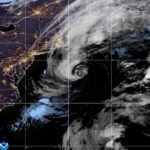
Government and public service providers are facing the most delicate balancing act. The Japan Meteorological Agency (JMA) was forced to take parts of its site offline, creating a void in weather data precisely as a typhoon approaches the region. A JMA official noted that they had to carefully prioritize which sections to disable to ensure that critical safety information remained accessible. Meanwhile, the Finance Ministry, the Supreme Court, and the National Police Agency have all shuttered specific website functions to prevent potential vulnerabilities.
Local governments are taking similar defensive stances. Osaka Prefecture and the city of Sapporo have both moved to simplify their online presence, prioritizing emergency contact information over standard web services. Osaka Governor Hirofumi Yoshimura issued a warning to the public, advising residents to remain vigilant against potential phishing attempts or fraud that could arise during this period of digital confusion.
As the frantic effort to patch systems continues, officials emphasize that these actions are proactive rather than reactive. By prioritizing security over accessibility, Japanese entities are aiming to prevent the “irreversible consequences” of data leaks that could arise if the vulnerability were left unaddressed.
Disclaimer: This content is auto-generated for informational purposes only.
Source: Read Original News