









WASHINGTON – American workers and small business owners are facing a significant financial crunch this year as the cost of employer-sponsored health insurance continues to climb, according to the 2026 Employer Health Benefits Survey released by the research nonprofit KFF. With nearly 157 million Americans relying on these plans, the steady rise in premiums is amplifying broader economic anxiety ahead of the midterm elections.
The survey reveals that employees are now shouldering a substantially larger portion of their healthcare costs. On average, workers covered by family health benefits are paying $7,471 annually toward premiums—a 9% increase over last year, or roughly $621 more. Experts warn that this trend is creating an urgent affordability crisis, particularly for those employed by smaller organizations.
The Digital Divide: Small Businesses Struggle to Maintain Competitive Coverage
The burden of rising healthcare costs is disproportionately affecting small businesses, which employ nearly half of the private-sector workforce. Data shows that employees at firms with 10 to 99 workers contribute an average of $9,687 toward family coverage, significantly higher than the $6,840 paid by their counterparts at larger corporations.
For business owners, the situation has become a high-stakes balancing act. Managers are being forced to choose between reducing employee bonuses, delaying equipment upgrades, or absorbing massive premium hikes to prevent talent from leaving. As firms attempt to navigate these rising expenses, many are turning to tech-driven solutions to manage administrative overhead. Increasingly, small businesses are adopting AI-powered benefit management platforms and digital insurance marketplaces to compare plans more efficiently and automate compliance, hoping to find any possible margin of savings in a volatile insurance market.
Tech-Driven Healthcare and the Role of Modern Innovation
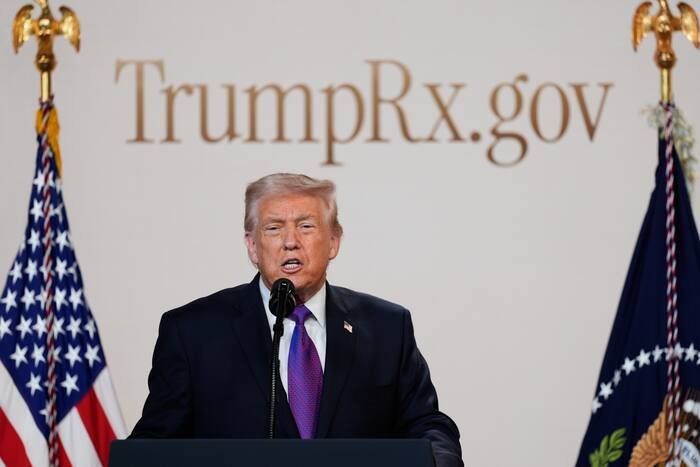
As healthcare affordability takes center stage in the political discourse, tech companies are positioning themselves to address the systemic inefficiency driving these costs. While political leaders, including President Donald Trump, have proposed measures such as drug pricing reforms and premium rebates to address the crisis, many industry analysts suggest that long-term relief may rely on the digitalization of the medical landscape.
Integration of AI into the healthcare ecosystem is being viewed as a potential game-changer. By leveraging predictive analytics, insurers are increasingly identifying high-risk patients early, potentially lowering costs through preventative care. Furthermore, Google and other major tech entities are continuing to invest in health-tech initiatives that streamline data interoperability, helping employers and providers manage care more effectively. These digital advancements aim to bring transparency to pricing and reduce the administrative waste that historically inflates insurance premiums.
A Growing Political and Economic Hurdle
With approximately 7 in 10 registered voters identifying healthcare as a top-tier issue, the KFF report arrives at a critical juncture for the midterms. Voters are signaling that their personal economic outlook—largely defined by the cost of living and healthcare—is a primary driver for political change.
For the American workforce, the promise of “better benefits” is increasingly being met with the reality of higher out-of-pocket costs and lower coverage value. Whether through legislative intervention or the scaling of innovative healthcare technologies, the consensus among researchers is that the current trajectory of premium growth is unsustainable. As small businesses continue to struggle with higher deductibles and market volatility, the pressure on policymakers and the private sector to provide a technological and economic remedy is reaching a breaking point.
The KFF survey, which analyzed feedback from approximately 1,900 employers, underscores a stark reality: without significant structural changes or technological efficiency gains, the financial strain on families and local businesses is likely to persist well into the coming years.
Disclaimer: This content is auto-generated for informational purposes only.
Source: Read Original News