







Fuel Cost Reality Check: Why Many Indian Cities Are Now Cheaper Than the UAE
For years, the United Arab Emirates (UAE) was synonymous with affordable fuel, often cited as a haven for motorists looking to escape the high prices seen elsewhere. However, a significant shift in the global energy landscape has turned the tables, with petrol and diesel now costing more in the UAE than in several major Indian cities.
Recent data indicates that the rising cost of crude oil has created a surprising disparity between the two regions. While fuel prices in India remain subject to local taxes and state-specific levies, they have remained relatively stable compared to the sharp, double-digit percentage hikes implemented in the UAE.
A Comparative Look at Prices
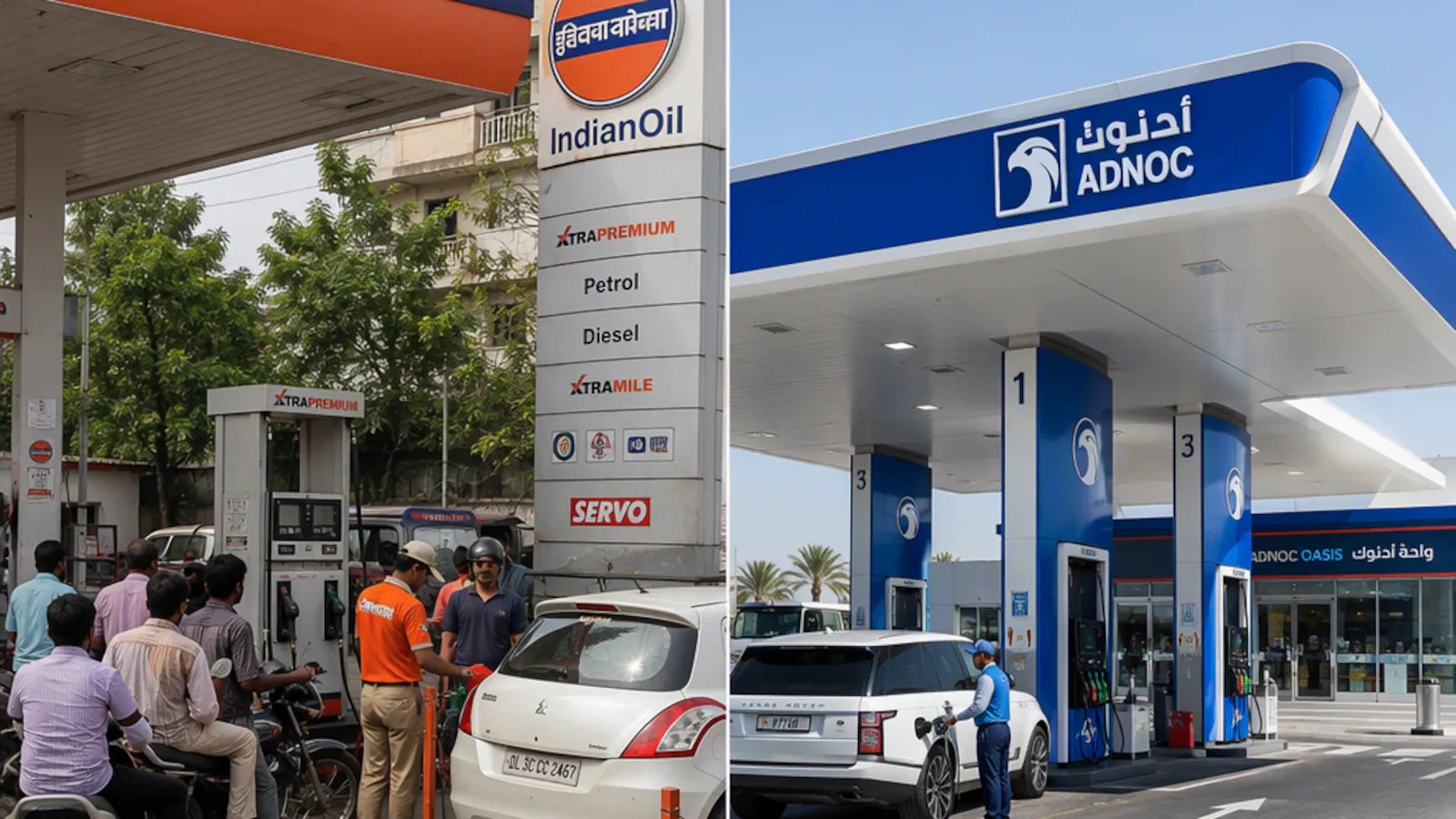
The current pricing structure reveals that the financial burden on vehicle owners has inverted in certain categories. As of October 22, petrol prices across 14 Indian cities ranged from Rs 101.54 per litre in Chandigarh to Rs 116.15 in Hyderabad. Meanwhile, the UAE saw its October fuel prices reach approximately Rs 108.17 for E-Plus 91, Rs 109.95 for Special 95, and Rs 113.03 for Super 98 per litre, based on current exchange rates.
The contrast is even more pronounced when looking at diesel. In India, diesel prices fluctuated between Rs 89.47 in Chandigarh and Rs 104.40 in Thiruvananthapuram. In stark contrast, the UAE’s diesel rate hit approximately Rs 123.31 per litre. This makes diesel significantly more expensive in the UAE than in any of the Indian cities surveyed.
While cities like Mumbai, Kolkata, and Hyderabad have petrol rates that slightly exceed the cost of the UAE’s “Special 95” grade, residents in Delhi, Noida, Lucknow, and Chandigarh are currently enjoying a lower cost per litre than their counterparts in the Emirates.
Why the UAE Prices Have Surged
The UAE’s fuel pricing model is linked directly to international energy market conditions, undergoing monthly reviews. October proved to be a challenging month for motorists there, as prices jumped by nearly 16% across all petrol grades.
Market experts attribute this volatility to a combination of geopolitical tensions, rising shipping costs, and ongoing global supply chain disruptions. With Brent crude consistently hovering above the $110 per barrel mark throughout October, the pressure on global fuel supplies has intensified. Because the UAE’s domestic market adjusts rapidly to these international benchmarks, the cost burden is transferred quickly to the consumer.
The Outlook Ahead
As the world watches the energy markets, the trajectory of fuel prices remains uncertain. The UAE is expected to announce its November rates following a month-end review. Whether these prices will soften or climb further depends entirely on how international markets respond to the prevailing economic and political climate.
For Indian motorists, the situation highlights the complexity of fuel economics. While prices in India are influenced by domestic fiscal policies and taxation, they are currently acting as a buffer against the extreme price hikes seen in oil-producing nations like the UAE, which are more sensitive to the immediate shocks of the global crude oil market.
Disclaimer: This content is auto-generated for informational purposes only.
Source: Read Original News