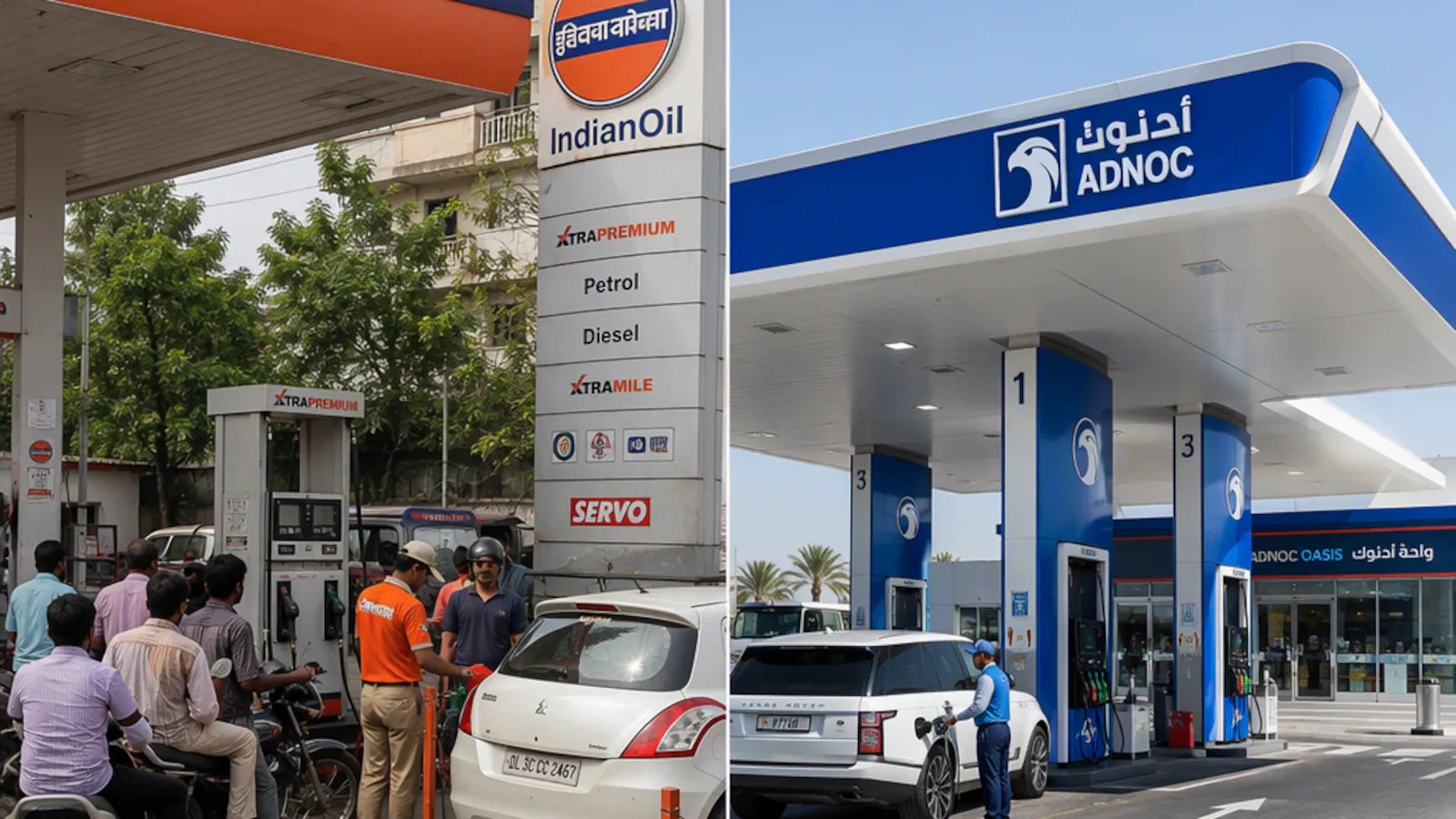










India-EU Free Trade Agreement Nears Finalization: A New Era for Bilateral Commerce
The long-standing negotiations for a comprehensive Free Trade Agreement (FTA) between India and the European Union have reached a critical juncture. According to recent high-level diplomatic briefings, the two economic powerhouses are nearing a final consensus, with expectations that the landmark deal could be signed and effectively implemented within the next five months. This development marks a significant milestone in global trade, promising to reshape economic ties between the world’s largest democracy and the European single market.
Addressing Critical Stumbling Blocks
For over a decade, discussions between New Delhi and Brussels were frequently stalled by complex regulatory issues and divergent interests. However, recent months have seen an aggressive push from both sides to iron out outstanding differences. Key areas of progress include Intellectual Property Rights (IPR), sustainability standards, and data protection protocols.
Government sources indicate that India has shown increased flexibility regarding market access for European automobiles and dairy products, while EU negotiators have signaled a more pragmatic approach toward India’s demand for easier movement of skilled professionals—a cornerstone of New Delhi’s services-led export strategy. By bridging these gaps, both parties are demonstrating a mutual desire to reduce dependency on other volatile trade partners and secure resilient supply chains.
Economic Impact and Strategic Significance
The potential pact is poised to provide a massive stimulus to bilateral trade, which currently stands at over $130 billion annually. By eliminating or drastically reducing tariffs on a vast array of goods, the agreement is expected to provide Indian manufacturers in sectors like textiles, pharmaceuticals, and agricultural products unprecedented access to the EU’s premium consumer base. Conversely, European firms stand to gain from lower barriers in India’s rapidly digitizing economy, particularly in green energy, digital infrastructure, and high-tech manufacturing.
Beyond the numbers, this agreement holds profound geopolitical weight. In a shifting global landscape marked by supply chain diversification, the India-EU FTA serves as a strategic counterweight. It reinforces the commitment of both blocs to rules-based international trade and provides a framework for deeper cooperation on technology transfers and environmental goals.
Navigating the Final Five Months
As the timeline narrows to the five-month window, the focus shifts from high-level policy discussions to the technicalities of legal scrubbing and administrative alignment. Ministers from both sides are scheduled for a series of final meetings to ensure that the text of the agreement complies with both Indian domestic statutes and the rigorous requirements of the European Commission.
While analysts remain cautiously optimistic, they acknowledge that the “last mile” of negotiations is often the most challenging. Potential friction points regarding environmental compliance and “carbon border adjustment mechanisms” still require careful maneuvering. Nevertheless, the political will from leaders in both New Delhi and Brussels suggests that a formal signing ceremony could take place well before the end of the year.
If successful, the implementation of this deal will mark one of the most significant trade milestones of the decade, cementing India’s position as a vital hub in global trade networks and signaling a robust, forward-looking partnership with Europe. For businesses, the coming months represent a period of high anticipation as they prepare to leverage the benefits of a more integrated, open, and competitive market environment.
Disclaimer: This content is auto-generated for informational purposes only.
Source: Read Original News