






The rise of “vibe coding” has officially entered the living room. Recent days have seen a surge in interest surrounding open-source projects designed to strip away the bloated, advertising-heavy interfaces that have become standard on modern smart televisions. By leveraging Large Language Models (LLMs) and established developer tools, users are now able to reclaim their home screens, remove sponsored content, and force their smart TVs to behave more like simple, user-centric displays.
The Emergence of TV Debloating Tools
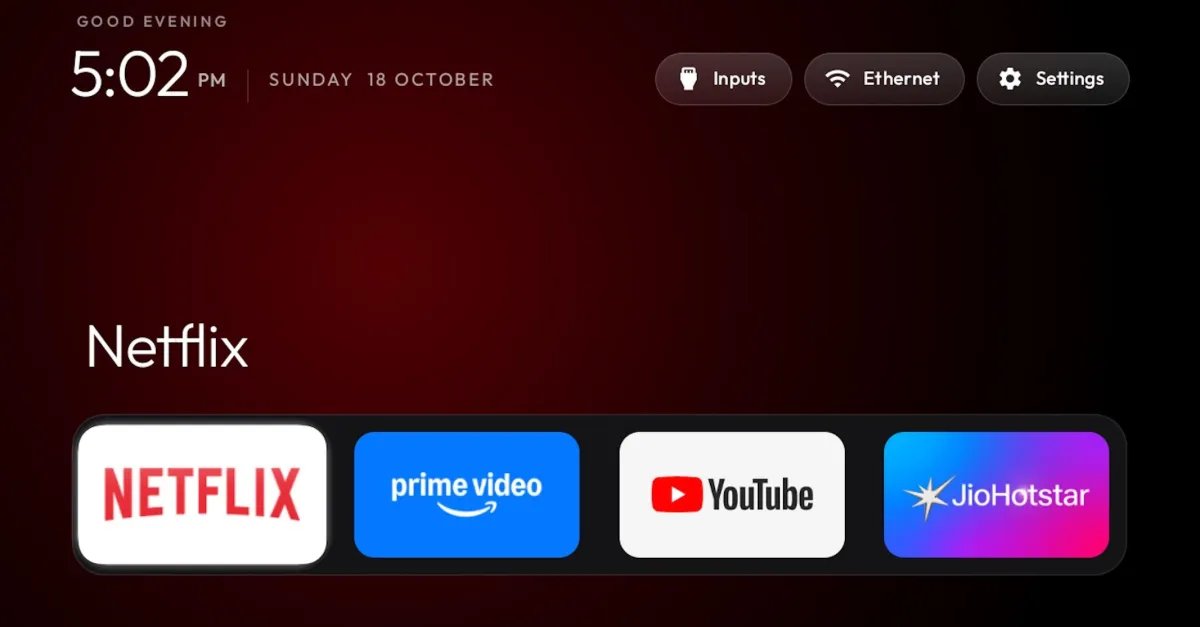
Several community-driven projects have gained significant momentum, including Cleanyourtv, tv-detox, and dumbtv. While their names and specific approaches vary, they share a common goal: cleaning up the cluttered, ad-supported interfaces pushed by manufacturers. These tools aim to remove unwanted promotional banners, reduce system bloat to improve navigation speed, and restrict the background data collection that tracks viewer behavior.
Perhaps most importantly, these projects function without requiring invasive procedures like rooting or flashing custom firmware. They utilize existing protocols and developer environments, specifically the Android Debug Bridge (ADB), which has been a staple for Android power users for years. By tapping into these built-in functionalities, users can hide unnecessary system packages and install streamlined, lightweight custom launchers, effectively replacing the manufacturer-mandated UI with a cleaner, more personalized alternative.
The Role of AI in Interface Modification
While the underlying mechanics—ADB and custom Android packages—are not new, the integration of AI has drastically accelerated the process. Users are turning to tools like Claude Code to generate custom launchers and automated scripts. This “vibe coding” approach allows individuals with limited programming experience to instruct an AI to write the necessary code for a bespoke interface, such as one mimicking a classic gaming aesthetic, and apply it to their device in minutes.
The technology effectively lowers the barrier to entry for device customization. What previously required deep knowledge of Android package management can now be executed by prompting an LLM to generate the command-line arguments needed to disable specific background services. This shift represents a broader movement toward user-led hardware reclamation, where the end consumer dictates the functionality of the device rather than the manufacturer.
Scope and Technical Limitations
It is crucial to note that these modifications primarily target television sets running Android TV or Google TV, such as those from Sony, Hisense, and TCL, as well as certain Amazon Fire TV products. Proprietary operating systems like Samsung’s Tizen and LG’s webOS remain significantly more locked down. While some enthusiasts have attempted to bridge these gaps by streaming custom interfaces from external devices on the same network, they lack the low-level system access afforded to the Android-based projects.
Furthermore, these tools are not a silver bullet for digital privacy. While projects like dumbtv attempt to block known endpoints for ad servers and data telemetry, they cannot block every connection. Modern TVs frequently use encrypted traffic, making it difficult for local network filters to identify and intercept specific data packets. For users concerned with surveillance, the reality remains that a connected television will almost always share some metadata with its manufacturer.
The Mechanics of Tracking and Data Collection
The frustration driving these projects stems from the aggressive implementation of Automatic Content Recognition (ACR). ACR is a technology that allows manufacturers to analyze the pixels on a screen or the audio output to determine exactly what a user is watching. This information is then compiled into a digital profile and shared with ad partners to deliver targeted commercials, often displayed directly on the home screen.
While manufacturers argue that ACR improves the viewing experience by providing personalized recommendations, many users view it as an intrusive data-harvesting mechanism. Although there are ways to opt out of ACR and targeted advertising within the deep, often obfuscated menus of these TVs, the default settings are frequently designed to keep these features active. The rise of “dumb TV” projects is a direct reaction to this lack of transparency and the perceived erosion of user sovereignty over hardware they have already purchased.
Risks and Considerations
There are inherent risks to modifying a television’s operating system. Because these scripts interact with system-level packages, there is always a risk of causing software instability. In extreme cases, incorrectly disabling a critical system process can brick the device, rendering the display unusable. Users interested in these projects should approach them with caution, ensuring they have a way to revert changes and acknowledging that they are operating outside of the manufacturer’s support guidelines.
For those who wish to avoid the risks of modifying system software, the most effective strategy remains physical or architectural isolation: never connecting the TV to the internet. For streaming needs, an external set-top box or media player is often a more private and performant solution.
Impact on the Television Industry
The popularity of these mods serves as a clear warning to major television manufacturers. For years, the industry has prioritized monetization through advertising and data harvesting over the end-user experience. This trend has resulted in cluttered, sluggish, and unresponsive interfaces that consumers clearly find aggravating.
If manufacturers continue to prioritize ad revenue at the expense of usability, they will likely see an increase in users seeking third-party workarounds. The “vibe coding” phenomenon proves that when software becomes too intrusive, consumers will utilize the latest technological tools to strip away the inconvenience. The message from the user community is straightforward: they want televisions that function as high-quality displays, not as advertising billboards. It is now up to the manufacturers to decide if they will simplify their interfaces or continue to push users toward unauthorized modifications.
Disclaimer: This content is auto-generated for informational purposes only.
Source: Read Original News