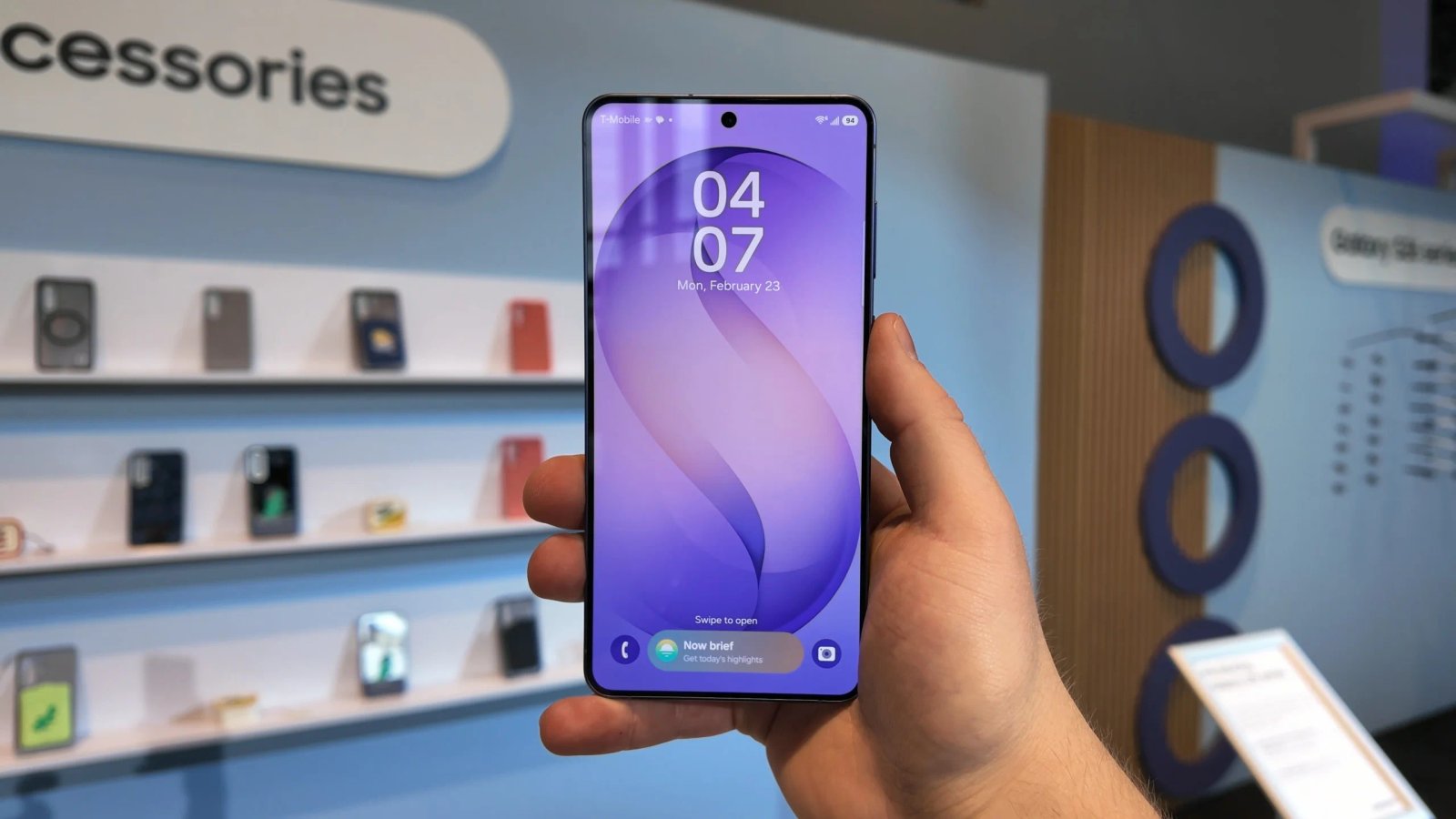









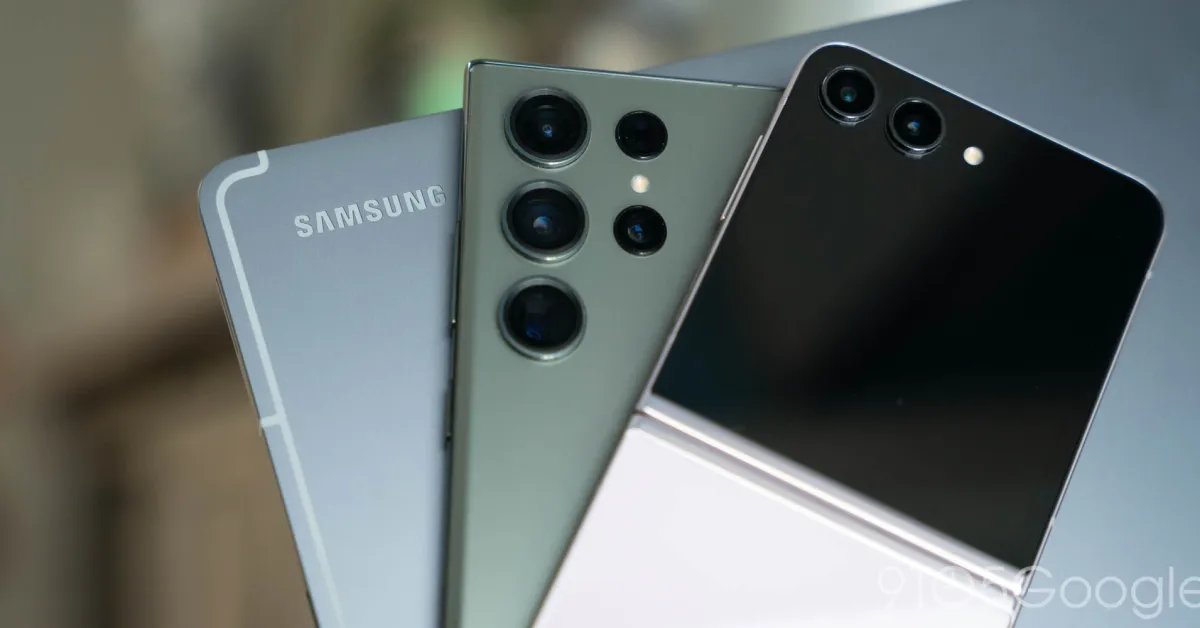
Samsung has officially unveiled the deployment roadmap for its latest software iteration, One UI 9. Built upon the foundation of Android 17, this major update is currently transitioning from initial exclusivity on the Galaxy S26 series to a broad spectrum of legacy hardware. While the schedule originated from Samsung Japan, the rollout structure provides a definitive look at the software trajectory for the company’s global user base throughout the remainder of 2026.
Understanding the Core of One UI 9
One UI 9 marks a significant shift in how Samsung integrates Android 17 features with its own proprietary interface. The update focuses on refining system-wide performance, improving battery management through intelligent resource allocation, and introducing enhanced privacy controls that leverage the underlying architecture of Android 17. By standardizing these features across both flagship and mid-range devices, Samsung aims to reduce fragmentation within its ecosystem.
For the end user, this update brings a more cohesive design language that prioritizes responsiveness and fluid navigation. The transition from previous versions involves a complete overhaul of the notification management system and the introduction of advanced background process optimization, which is designed to extend the hardware longevity of devices released over the past two years.
A Diverse Device Support Strategy
The confirmed list of supported hardware is expansive, reflecting Samsung’s commitment to providing extended software cycles for a wide range of price points. Flagship devices, including the S26, S25, and S24 lineups, along with the latest iterations of the Galaxy Z Fold and Z Flip series, are slated to receive the update first. However, the inclusion of mid-tier handsets like the Galaxy A57 and Galaxy A36 demonstrates that the benefits of Android 17 are not reserved solely for high-performance hardware.
The tablet category is also receiving significant attention. The inclusion of the Galaxy Tab S11 and S10 series, alongside the S10 FE and specialized models like the Tab Active 5 Pro, indicates that Samsung is prioritizing its tablet form factor for improved productivity workflows. This breadth of support is intended to ensure that users across different segments experience the latest security patches and feature sets simultaneously, mitigating the risk of security vulnerabilities across the larger installed base.
Strategic Deployment and Regional Rollouts
Samsung’s current timeline indicates that the rollout will remain intensive through October and November 2026. While the Japan-specific documentation highlights a rapid deployment cycle, the global rollout will likely follow a staggered distribution model. Samsung typically sequences its releases by territory to ensure stability and to address localized network compatibility requirements.
This phased approach is standard practice to manage server load and gather performance data from different markets. By the time the update reaches entry-level devices in December and January, the software will have undergone several rounds of optimization based on feedback from the initial deployments. This ensures that users on older hardware or more budget-conscious devices receive a version of One UI 9 that is specifically tuned for their system specifications.
Impact on Hardware Lifecycle and Utility
The shift to Android 17 provides more than just aesthetic adjustments; it alters the fundamental interaction between software and silicon. For many of the devices listed, such as the Galaxy S23 or the Tab S9, this update serves as a critical maintenance milestone. Newer software builds generally include efficiency improvements that help manage thermal output and power consumption, which are essential factors in preserving the health of internal components like batteries and NAND flash storage.
Furthermore, by bringing the latest software to devices like the Galaxy A25 and the 2024 Galaxy Tab S6 Lite, Samsung is effectively extending the useful lifespan of these units. Providing consistent OS updates is a key component in sustaining market value and utility for older electronics, allowing users to remain secure and productive without the necessity of immediate hardware replacement.
What to Anticipate in the Coming Months
As the rollout continues, users should monitor their specific device settings for the OTA notification. While the provided list covers a wide array of existing hardware, it is important to remember that it is not exhaustive. Regional carrier testing often dictates the precise arrival date for specific handsets.
Samsung has emphasized that its primary goal is to ensure a stable experience across its vast catalog. Consequently, while flagship users can expect the update shortly, users of mid-range and entry-level models may experience a wait as the software is validated against various regional firmware configurations. For those not seeing the update, checking the official manufacturer news portal for the respective region remains the most accurate way to track progress. As we look toward early 2027, the completion of this rollout will represent a unified software landscape for the majority of modern Galaxy users, bridging the gap between the latest hardware releases and the existing installed base.
Disclaimer: This content is auto-generated for informational purposes only.
Source: Read Original News