





Former Agent Backs Kevin Kisner in High-Stakes Spat Over Appearance Fees
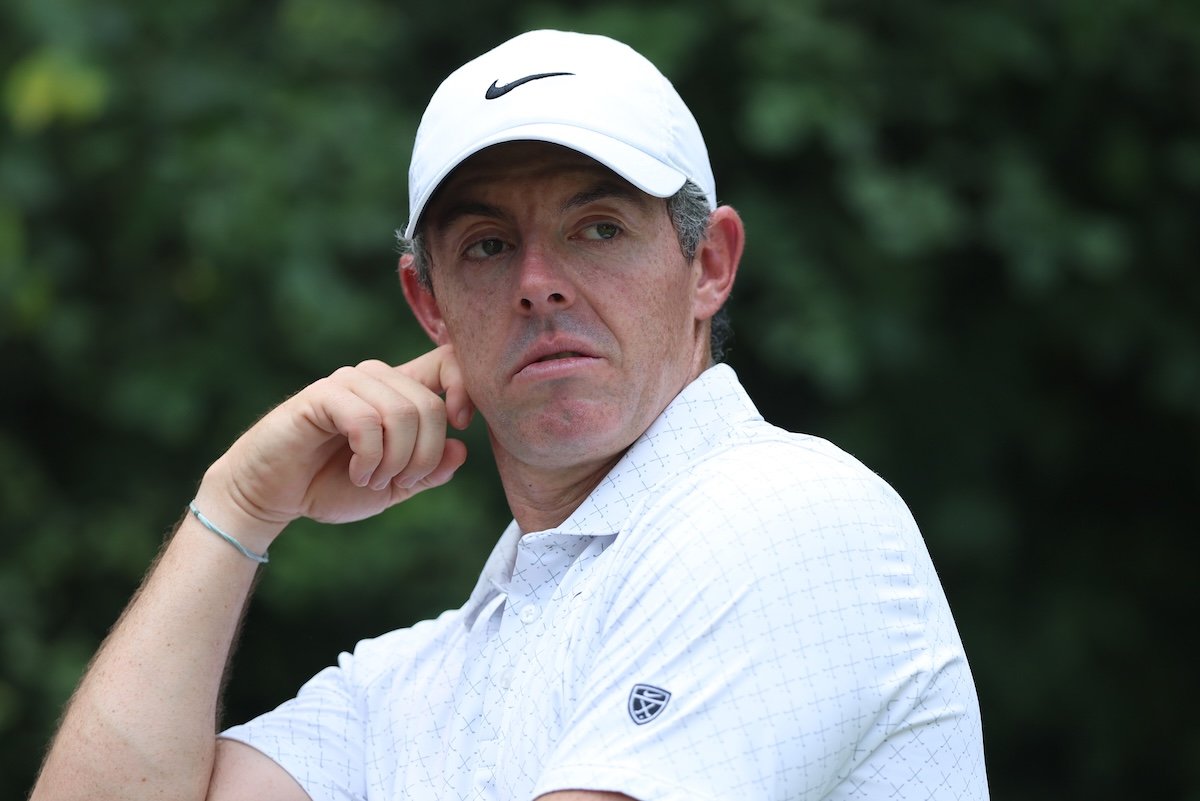
The professional golf world has found itself embroiled in a fresh controversy following a heated public exchange between Rory McIlroy and American golfer Kevin Kisner. At the heart of the dispute is the motivation behind McIlroy’s participation in last week’s DP World India Championship. While the Northern Irishman maintained that his presence was driven by a genuine desire to cultivate the sport’s global footprint, Kisner publicly suggested that the primary catalyst was a substantial appearance fee.
The friction has now drawn in Andrew ‘Chubby’ Chandler, a prominent figure who managed McIlroy during the early years of his career from 2007 to 2011. Chandler has thrown his weight behind Kisner’s perspective, arguing that the reality of professional golf is inherently transactional.
The Business of Professional Golf
In a candid discussion with BetBrothers, Chandler dismissed the rhetoric often employed by elite athletes regarding their international travel. He pointed out that professional golfers operate within a strictly business-oriented environment, yet they often shy away from the transparency of admitting the financial incentives involved in their tour schedules.
“They’re all singing off the same hymn sheet,” Chandler remarked, suggesting that top-tier players rarely disclose the specific financial arrangements that dictate their tournament choices. “Not one of them will say, ‘I’m here because I’ve got paid $500,000 to be here.’”
Chandler suggested that McIlroy’s public stance is a strategic necessity rather than a reflection of his internal motivations. He speculated that the superstar likely finds the entire debate amusing, knowing full well that the lucrative appearance fee is a standard component of the modern professional landscape. According to Chandler, McIlroy is effectively trapped by the optics of his position; he cannot publicly attribute his travel to financial gain when he has cultivated an image as a global ambassador for the sport.
Balancing Legacy and Financial Independence
Chandler also drew a parallel between McIlroy’s tournament choices and his high-profile refusal to join the LIV Golf circuit. He suggested that McIlroy’s commitment to traditional tours is made easier by his ability to command significant fees elsewhere.
“That was the balance they all had: how much they got offered and how much they can make without it,” Chandler noted. He posited that McIlroy’s financial independence allows him to avoid the controversy of the Saudi-backed league while still capitalizing on the high-value incentives offered by events like the DP World India Championship.
The Future of Global Golf Sponsorships
Moving beyond the personal conflict, Chandler highlighted the shifting power dynamics in golf sponsorship. He identified DP World as a major player poised to fill the void left by previous dominant commercial interests. By aggressively positioning itself in markets like India and beyond, the organization is beginning to shape the international tour’s trajectory.
Chandler proposed a model where DP World could become the cornerstone for various national Opens across Europe, such as the Spanish or French Opens. By utilizing a marquee name like McIlroy as a “flag bearer,” the company could significantly elevate the visibility of these historic events.
For now, however, the fallout from the McIlroy-Kisner spat serves as a blunt reminder of the tension between the idealistic narrative of “growing the game” and the pragmatic economic realities that govern the sport at the highest level.
Disclaimer: This content is auto-generated for informational purposes only.
Source: Read Original News