








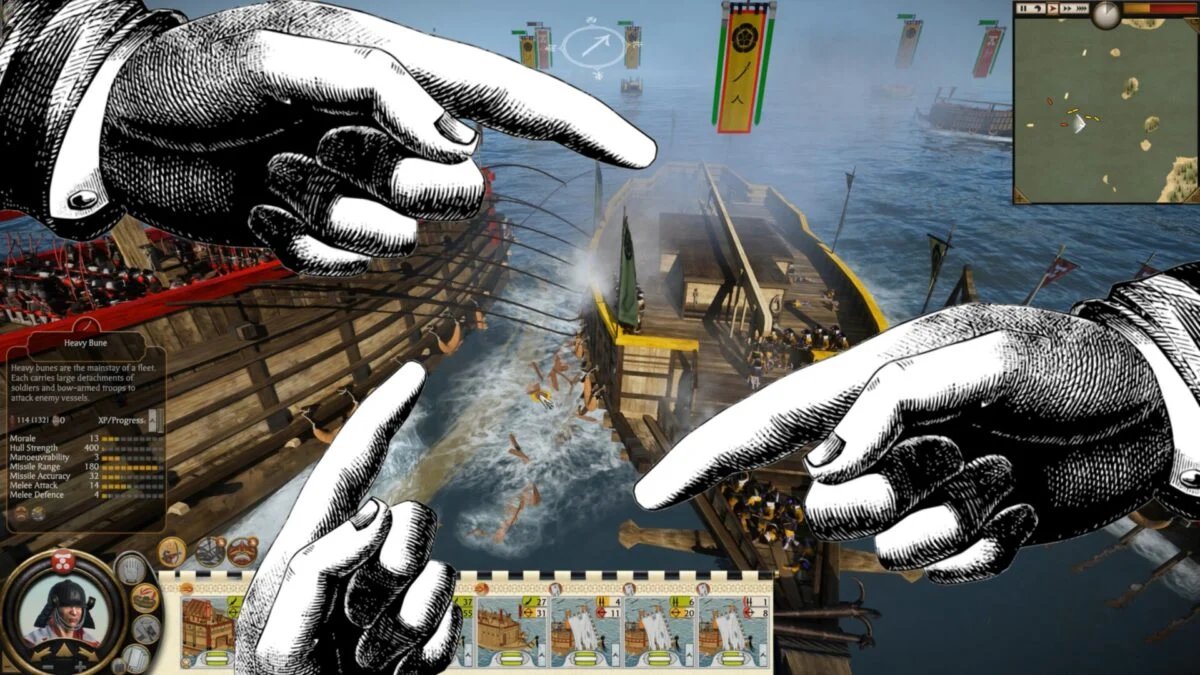
The recent release and subsequent immediate withdrawal of the “Complete Edition” of Total War: Shogun 2 has triggered a significant industry debate regarding quality control and the integration of generative AI in software development. Creative Assembly, the studio behind the legendary strategy title, has publicly addressed the failed launch, which saw the game pulled from digital storefronts after users reported disastrous performance issues and the inclusion of poor-quality, AI-upscaled assets.
The Mechanics of the Failure
The Total War: Shogun 2 Complete Edition was intended to offer a polished, modernized experience for one of the most revered titles in the real-time strategy genre. Instead, players were met with a product that functioned poorly and featured visual assets that were clearly processed through automated upscaling tools. These AI-generated artifacts resulted in low-resolution textures appearing distorted and garish, fundamentally clashing with the aesthetic integrity of the original game.
The technical failure went beyond mere visual glitches; the product launch suffered from instability that made the game effectively unplayable for many. The backlash was immediate, leading to an onslaught of negative reviews that forced Sega to remove the title from sale within days. This incident highlights the perils of outsourcing core franchise development without maintaining stringent oversight.
Creative Assembly and the Outsourcing Dilemma
In an official response posted to the company’s forums, Roger Collum, vice president of the Total War division, acknowledged that the remastered version failed to meet professional standards. A recurring theme in his statement was the distance between the primary studio and the actual development process. Collum emphasized that the remaster was handled by an external partner, identified as the Polish developer Mataboo.
Collum admitted that Creative Assembly “took their eyes off” the external development process, noting that internal teams were occupied with other major projects. This admission raises critical questions about corporate project management. By delegating a flagship title to a third party, the studio bypassed its own standard internal review and quality assurance protocols. This lack of oversight allowed a product that did not reflect the quality associated with the Total War brand to reach the public.
Industry Stance on Generative AI
A core component of the controversy involves the use of generative AI in asset production. Creative Assembly has attempted to clarify its position, distinguishing between AI as a utility tool and AI as a creative replacement. According to Collum, the studio prohibits the use of generative AI to create final game assets, such as art or character models. He maintains that human craftsmanship remains the foundation of their development philosophy.
However, the studio does utilize AI for functional purposes, including analysis, debugging, and rapid prototyping. This delineation is intended to protect the role of human creators while leveraging technology to streamline backend processes. The incident with the Shogun 2 remaster, however, stands in direct contradiction to these stated policies. Whether the external developer used AI to cut corners or as an error in judgment, the result has served as a cautionary tale for publishers regarding the lack of transparency in automated asset generation.
The Impact of Automated Asset Upscaling
The specific implementation of AI in the Shogun 2 remaster appears to have been an attempt to upscale original, low-resolution assets that were not intended for modern, high-definition displays. While AI upscaling can be a legitimate technique when used to reconstruct legacy textures, it often produces hallucinations—unintended patterns or artifacts that look unnatural.
In this instance, the assets appeared as blurred, distorted versions of the original, high-detail work. If a developer lacks access to original high-fidelity source files, the temptation to use AI to “stretch” existing assets can be high. However, without human intervention or post-processing to clean up the artifacts, the resulting visuals inevitably fail to maintain the original art style. This practice fundamentally undermined the historical preservation aspect of the remaster.
Restoring Trust in Franchise Development
The aftermath of this release forces a reckoning regarding the duty of care that developers owe to their legacy titles. Collum stated that a team of senior developers has been tasked with working alongside the external partners to rectify the situation. The studio faces the challenge of repairing its reputation with a fanbase that values historical accuracy and artistic consistency above technical shortcuts.
The broader takeaway for the gaming industry involves the necessity of mandatory quality assurance for all external projects. No matter the scale or scope of a remaster, the primary intellectual property holder must retain responsibility for final output. The incident proves that even the most robust technical tools, if left unchecked or improperly monitored, can become liabilities that negate years of accumulated brand equity.
Moving Forward with Oversight
Creative Assembly has concluded its statement by asking for the criticism to be directed at the leadership rather than individual staff members. While the company has promised to be more transparent in its processes, the industry is left with a clear mandate: the adoption of new technologies like AI must be tempered by rigorous human verification. The reliance on third-party studios for “complete” versions of beloved games requires a new standard of accountability, ensuring that the “remastered” label implies a genuine technical enhancement rather than a reliance on automated, low-effort solutions. As the studio works to address the issues, the community remains watchful, waiting to see if these promises of better oversight will result in a return to the quality standards expected of the Total War franchise.
Disclaimer: This content is auto-generated for informational purposes only.
Source: Read Original News