








The Evolution of Hardware Maintenance with the iPhone Duo
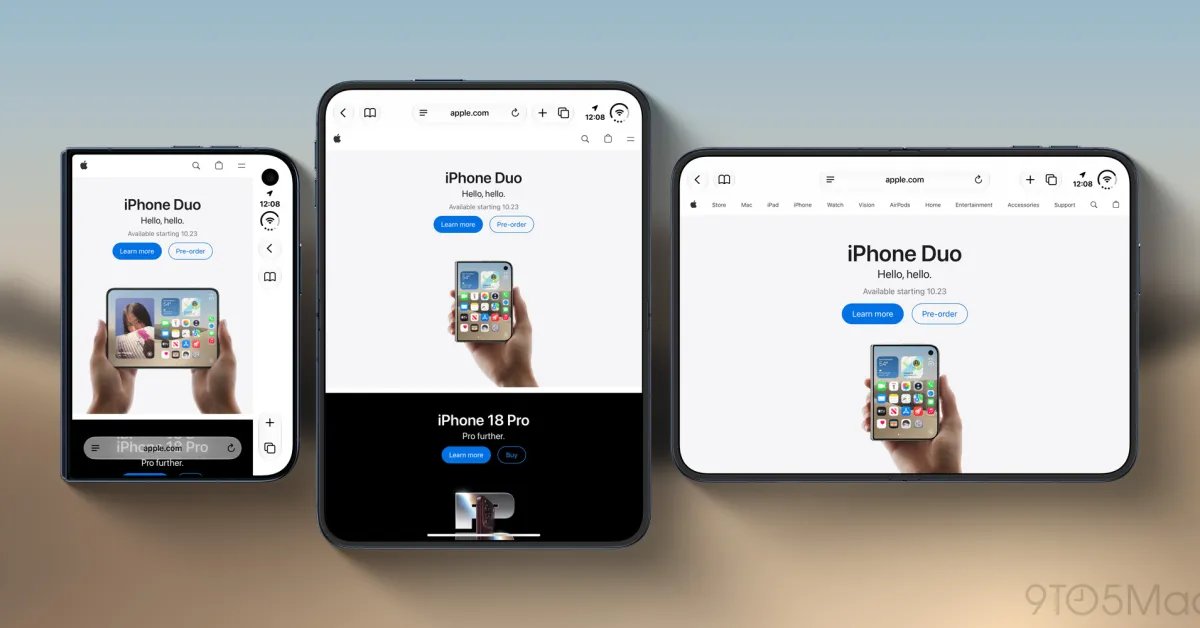
The release of the iPhone Duo marks a significant shift in mobile engineering, introducing a complex dual-display form factor that necessitates a new approach to hardware maintenance. As the device reaches the hands of early adopters, Apple has proactively released comprehensive support documentation and technical repair manuals. These materials are designed to empower both individual users and independent repair technicians by providing precise instructions for navigating the device’s internal architecture. This level of transparency is essential for a product that features unique mechanical components like hinges and a dual-panel ecosystem, which are significantly different from the traditional slab smartphone design.
Apple’s technical documentation serves as a foundational resource, detailing the specific procedures required to maintain the structural integrity and functional reliability of the device. Given the intricate nature of the iPhone Duo, these manuals prioritize safety, providing clear guidance on identifying potential issues—such as hinge calibration or display synchronization—before attempting any physical disassembly. By making these resources public, the company is facilitating a standard of repair that aligns with its broader commitments to hardware longevity.
Navigating the Official Repair Manuals
The newly released iPhone Duo repair manual is a comprehensive technical repository. It offers systematic, step-by-step procedures for the replacement of various subsystems. Unlike standard repair guides, this document includes exploded-view diagrams that map the internal layout, identifying the specific placement of micro-connectors, flex cables, and proprietary fasteners. These diagrams are critical for technicians who must navigate the device’s high-density interior without disrupting delicate sensors or the display bridge circuitry.
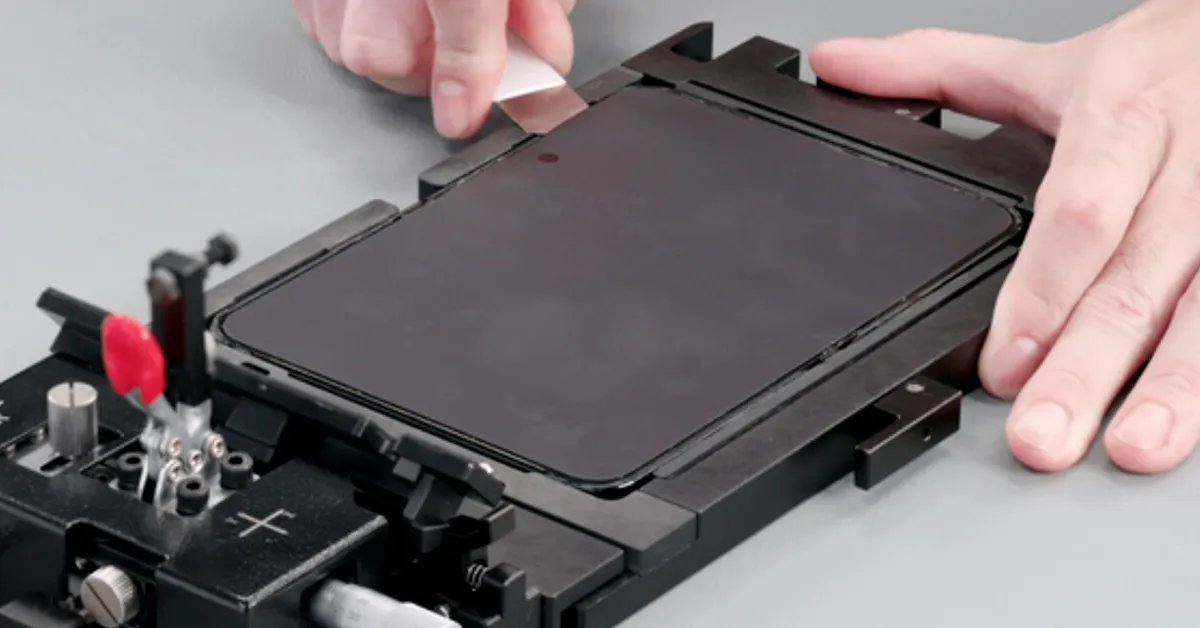
The manual specifically addresses the complexities introduced by the folding mechanism. Instructions are segmented by module, allowing for targeted repairs that do not necessarily require a complete teardown of the unit. For instance, the guide outlines exact torque specifications for screws and identifies the necessary adhesive strips required to maintain the ingress protection rating after a repair. Apple emphasizes that adherence to these specifications is mandatory to ensure the device remains functional and safe after reassembly.
Safety Protocols for Advanced Hardware
Repairing a folding device presents unique safety challenges, particularly regarding the battery and the foldable glass substrate. Apple has released specialized safety documentation that highlights the specific risks associated with the iPhone Duo’s internal power cells. Because the device utilizes a split-battery architecture to balance weight across both halves, the physical handling and discharge protocols differ from those of conventional single-cell smartphones. The safety manuals provide explicit, measured steps to prevent thermal events or mechanical damage during the extraction of these cells.
Furthermore, the documentation addresses the fragile nature of the display glass. Replacing the primary screen involves nuanced procedures for heating and prying that prevent fracturing the substrate. By outlining the correct thermal thresholds and the use of specialized plastic shims, Apple aims to reduce the likelihood of accidental damage during the repair process. These safety protocols are not merely suggestions; they are critical safeguards intended to protect the user from injury and the device from permanent malfunction during maintenance.
Future Availability of Replacement Components
While the technical manuals provide the knowledge necessary for repair, the physical supply chain is still catching up to the product launch. At this time, genuine replacement parts—such as replacement display assemblies, hinge modules, and specific battery kits—are not yet available for purchase through the Self Service Repair Store. This creates a temporary gap between the availability of information and the ability to execute repairs. However, the presence of these manuals confirms that Apple intends to support the lifecycle of the iPhone Duo through the same channels used for previous iPhone models.
The intent behind this release is to establish a standardized protocol for when these parts do become available. By preparing the repair community now, Apple ensures that once the components enter the inventory, technicians will already be familiar with the procedures. This foresight is designed to minimize downtime for users and ensure that third-party repair shops can integrate the iPhone Duo into their service offerings with confidence, following procedures that are verified by the manufacturer.
The Impact of Standardized Repairability
The shift toward documenting repairs for the iPhone Duo represents a broader movement in consumer electronics toward greater hardware transparency. Providing detailed manuals for a sophisticated device demonstrates a commitment to device sustainability. By allowing users to understand the internal mechanisms of their hardware, the company encourages a culture of maintenance rather than immediate replacement.
This approach serves two primary functions. First, it assists in the long-term viability of the device, allowing users to address minor hardware faults—such as an unresponsive sensor or a display error—without needing to replace the entire handset. Second, it elevates the quality of independent repair services. When independent technicians have access to the same instructions as certified repair centers, the overall quality of repairs across the market increases. As the iPhone Duo moves into the mainstream, these technical resources will prove essential in maintaining the device’s performance, ensuring that the advanced technology powering the foldable display remains operational throughout its intended service life.
Disclaimer: This content is auto-generated for informational purposes only.
Source: Read Original News