









Revamping the Workforce Pulse: PLFS to Track Unpaid Labour and Gig Workers by 2027
In a landmark shift toward modernizing India’s economic metrics, the Ministry of Statistics has announced a comprehensive overhaul of the Periodic Labour Force Survey (PLFS). Starting in January 2027, the government will expand the scope of its employment tracking to include previously invisible segments of the economy, specifically targeting unpaid household contributions and the burgeoning digital platform workforce.
The decision reflects a growing recognition that traditional labor definitions fail to capture the nuanced realities of the contemporary Indian household. By incorporating specific inquiries into unpaid caregiving, domestic maintenance, and volunteer work, the Ministry aims to provide a more holistic representation of national productivity—one that acknowledges the often-overlooked labor that sustains both the domestic sphere and the broader community.
Bridging the Data Gap on Unpaid Work
For decades, the significant time investment made by millions of women in cooking, cleaning, child-rearing, and caring for elderly relatives has remained largely absent from official labor statistics. The revised PLFS framework seeks to rectify this by introducing targeted questions designed to quantify these activities.
According to a concept note released by the statistics ministry, these revisions are intended to facilitate annual reporting on unpaid work. By documenting these roles, policymakers hope to gain a deeper understanding of the socio-economic burdens faced by households and create more informed support systems. This shift is not merely statistical; it is a policy-oriented move to ensure that caregiving is recognized as a critical component of the national economy.
Mapping the Gig Economy
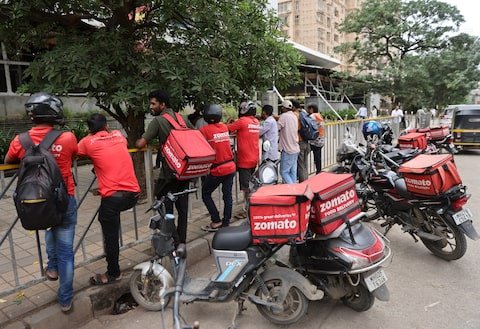
The rise of the digital economy has created a vast pool of platform-based workers—delivery partners, freelance coders, and service providers—who often operate outside the boundaries of conventional employment definitions. To address this, the PLFS will introduce a specific binary question to identify household members engaged in digital platform work.
To support this, the National Statistical Office (NSO) is refining its sampling methodology. The Second Stage Stratum formation will be adjusted to better represent digital workers, ensuring this emerging sector is not just captured, but analyzed in sufficient detail. This represents a strategic attempt to address the “underutilisation” of labor, offering a clearer picture of how digital platforms are reshaping job security and employment conditions across the country.
Enhancing Statistical Precision
Beyond the new survey content, the Ministry is undertaking a massive technical exercise to improve data reliability. As India’s urban landscape undergoes rapid transformation, the current census-based frames for data collection have become outdated.
For the 2027-2028 period, the NSO plans to draw entirely fresh samples using an updated demographic frame. This update will account for significant shifts in urbanisation, the redrawing of district boundaries, and the evolving dynamics of rural demographics. By aligning the survey samples with these modern realities, officials expect to eliminate the coverage gaps that have historically skewed urban employment data.
As the Ministry of Statistics invites public suggestions on this new framework, the message is clear: India’s labor statistics are evolving to match the diversity of its workforce. By shedding light on the unpaid contributions of citizens and the fast-growing gig economy, the government intends to build a data-driven foundation for more inclusive and effective future policies.
Disclaimer: This content is auto-generated for informational purposes only.
Source: Read Original News