








The Arrival of the Apple iPhone Duo
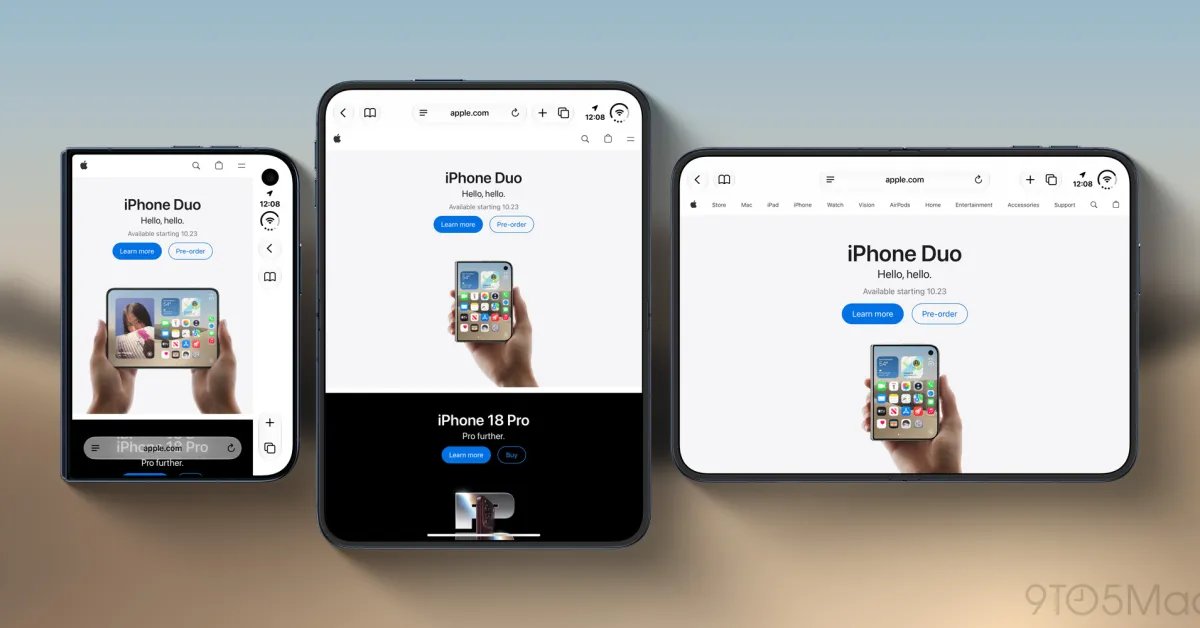
Apple has officially entered the foldable smartphone market with the launch of the iPhone Duo. Priced at approximately $2,000, the device represents a significant shift in the company’s hardware strategy. While competitors like Samsung and Huawei have populated the foldable space for several years, Apple’s entry serves as a high-stakes test of whether the brand can redefine the category, much like it did for the smartphone industry at large. The launch comes during a period of leadership transition, serving as one of the first major product releases under the tenure of CEO John Ternus.
Global demand for the Duo has been robust, leading to supply constraints that forced Apple to ration handsets. Within minutes of pre-orders opening last week, delivery windows shifted to late January, reflecting an intense interest from the consumer base. In several key markets, including China, France, and Japan, purchasing was restricted to online pre-orders, while walk-in stock was tightly controlled. Despite the high price point, early reports from cities like Sydney, London, and San Francisco indicated that dedicated consumers and resellers alike were eager to secure the device on its first day of availability.
Engineering the Foldable Experience
The primary technological achievement of the iPhone Duo lies in its hinge mechanism. Early reviews have highlighted the sturdy construction and the near-invisibility of the screen crease, an element that has traditionally been a point of contention for foldable devices from other manufacturers. By minimizing the visible transition point where the screen folds, Apple aims to deliver a seamless display experience that bridges the gap between a standard smartphone and a compact tablet.
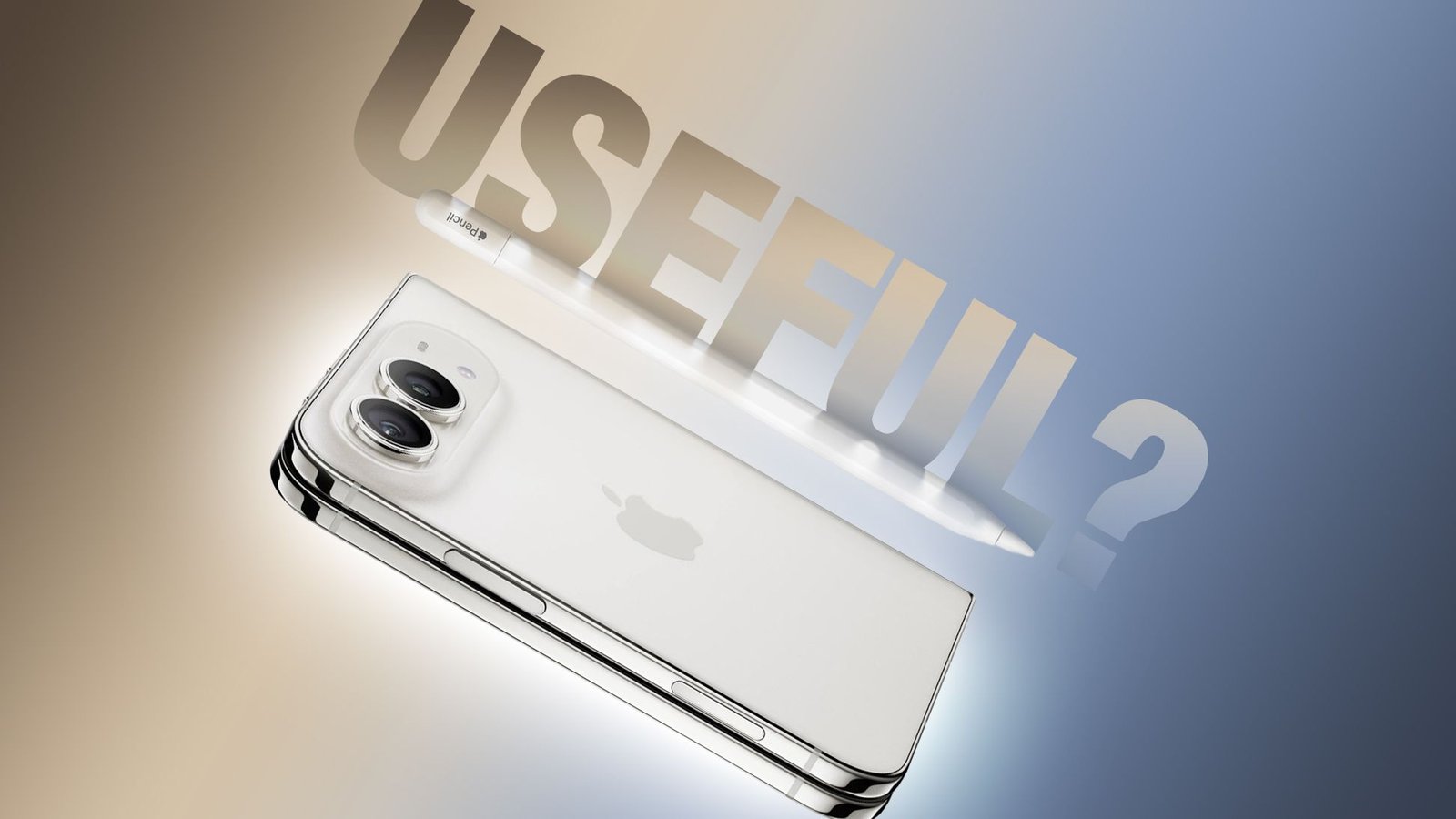
However, the hardware does involve trade-offs. To maintain the device’s structural integrity and form factor, the camera array lacks a dedicated telephoto lens, a feature commonly found in current flagship smartphones. Additionally, the device requires third-party software developers to optimize their applications for the unique display dimensions of the Duo. While the primary display offers substantial real estate, many existing apps require adjustments to function effectively across the dual-panel interface.
Practical Applications and Limitations
The utility of the iPhone Duo is best understood through its dual-nature design. Users can leverage the device as a standard phone for quick, everyday tasks, or unfold it to reveal a tablet-sized interface that is conducive to productivity, media consumption, and multitasking. For users who frequently carry separate mobile devices and tablets, the Duo offers a consolidated solution that aims to streamline professional and personal workflows.
Despite its benefits, the device faces criticism regarding its day-to-day ergonomics. Reviewers have noted that for simple, frequent tasks—such as checking text messages or quick web searches—the folded state may be less intuitive than a traditional candy-bar phone. Furthermore, the learning curve associated with the new form factor, combined with the absence of certain hardware features like advanced facial identification, suggests that the Duo currently targets a specific demographic of early adopters rather than the average smartphone user.
Market Impact and Future Outlook
The entrance of Apple into this niche sector is expected to have a profound impact on the broader foldable market. Market researchers at IDC project that Apple will command 44% of the foldable market value by 2026, with expectations that the company will lead in both unit shipments and total market value by 2027. This growth trajectory is predicated on Apple’s ability to normalize the foldable form factor, turning a luxury innovation into a mainstream standard.
For Apple, the challenge now shifts from the initial launch excitement to long-term adoption. The company must sustain interest through software updates that improve app integration and hardware iterations that address current camera and ergonomic compromises. If Apple can successfully transition the Duo from a niche “extraordinary prototype” to a daily driver for the general public, it will likely secure its position as the dominant player in the evolving foldable landscape.
The Leadership Challenge for John Ternus
The launch of the iPhone Duo arrives just weeks after John Ternus assumed the role of CEO. As a former hardware chief, Ternus is closely associated with the technical development of the device, making this launch a public litmus test for his leadership style. By participating in launch day events, such as greeting customers in Austin, Texas, the new leadership team is signaling a direct commitment to the company’s hardware innovation pipeline.
Ultimately, the iPhone Duo is a strategic investment in the future of mobile computing. While the high cost and functional limitations will naturally restrict its initial user base, the device serves as a foundational piece of hardware. As the industry moves toward more flexible display technologies, the lessons learned from the rollout of the Duo will likely dictate the direction of Apple’s mobile strategy for years to come. Whether the product becomes a temporary experiment or a cornerstone of the iPhone lineup remains to be seen, but the high demand witnessed at launch suggests that the market is ready for a fundamental change in how mobile devices are designed and utilized.
Disclaimer: This content is auto-generated for informational purposes only.
Source: Read Original News