








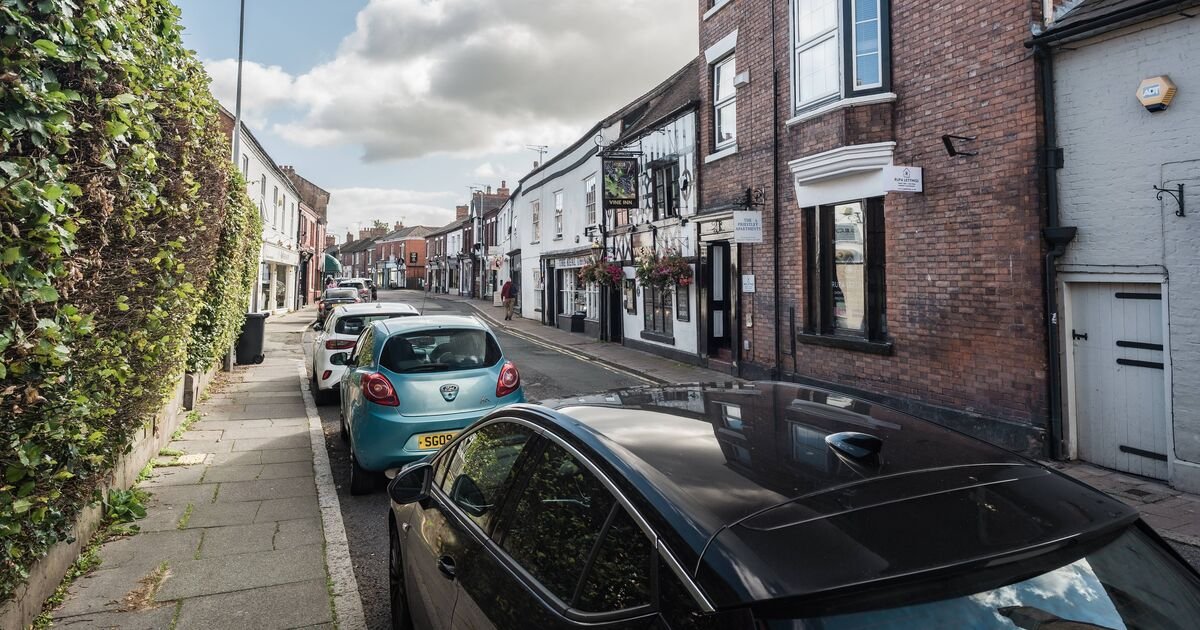
Charging your electric vehicle just got a little bit easier for those of us who don’t have the luxury of a private driveway. A recent update to government regulations in England has finally cut some of the red tape that previously made installing home charging points a headache. If you live in a terraced house or an urban area where street parking is the only reality, this change is definitely worth a closer look.
What Actually Changed?
For years, the process of installing a cross-pavement charger—essentially a way to run a safe cable from your home to your parked car—involved a mountain of bureaucracy. You often had to navigate the murky waters of local planning permission, which could cost a significant amount of money just to get approval.
Under the new rules, the government has removed the requirement for that planning permission. The goal is simple: to make it cheaper and more accessible for the average person to embrace electric driving without needing a sprawling garage. By bypassing the need for these formal planning applications, you could potentially save up to £300 on your installation costs. It is a small but helpful step toward making sustainable transport feel more like a practical reality rather than a logistical nightmare.
Is It Really a Game Changer?
While skipping the planning fees is a welcome development, it is worth keeping your expectations grounded. Financial experts have been quick to point out that this is not exactly a revolution for the automotive industry. If you were already on the fence about switching to an electric vehicle, saving a few hundred pounds on an installation might not be the primary factor that tips the scales.
Most of the big hurdles remain, particularly the upfront price of the cars themselves. However, for those who have already decided that electric is the way forward, this change removes a barrier to entry. It levels the playing field slightly between those with off-street parking and those who rely on the kerb, making the transition to electric power a little more democratic.
The Long-Term Financial Picture
When you consider swapping your petrol or diesel car for an electric model, you have to look beyond the installation of a charger. The real financial magic happens at the pump—or lack thereof. Charging your car at home can be incredibly cost-effective, with some estimates suggesting costs as low as 2p per mile. When you compare that to the rising prices at traditional fuel stations, the potential for long-term savings becomes quite clear.
However, it is wise to be practical. As one expert noted, the cheapest car is almost always the one you already own. If you have a reliable vehicle that serves your needs, rushing to replace it just because of a small grant or installation discount might not be the wisest move for your bank account. Always weigh the costs of depreciation, insurance, and your actual annual mileage before signing on the dotted line for a new set of wheels.
Making the Right Decision for Your Lifestyle
The best way to approach this is to look at your personal driving habits. If you are a high-mileage driver, the efficiency of an electric motor combined with the convenience of home charging can lead to significant savings over a few years. On the other hand, if you rarely drive and your current car is in good shape, the math might not work in your favor just yet.
If you do decide to go ahead with an installation, remember that this is just one piece of the puzzle. You will still need to check with your local council regarding specific street requirements, as you will still need approval for the physical pavement crossing itself. It is not a free-for-all, but it is certainly a smoother path than what existed before.
Ultimately, this change is a nudge in the right direction. It makes life easier for those already committed to the switch and reduces the stress of setting up the necessary infrastructure at home. Keep researching, crunch your numbers, and decide if an electric vehicle aligns with your life. After all, the best lifestyle choices are the ones that work for your wallet just as well as they work for your daily routine.
Disclaimer: This content is auto-generated for informational purposes only.
Source: Read Original News