








The Intersection of AI Development and Social Responsibility
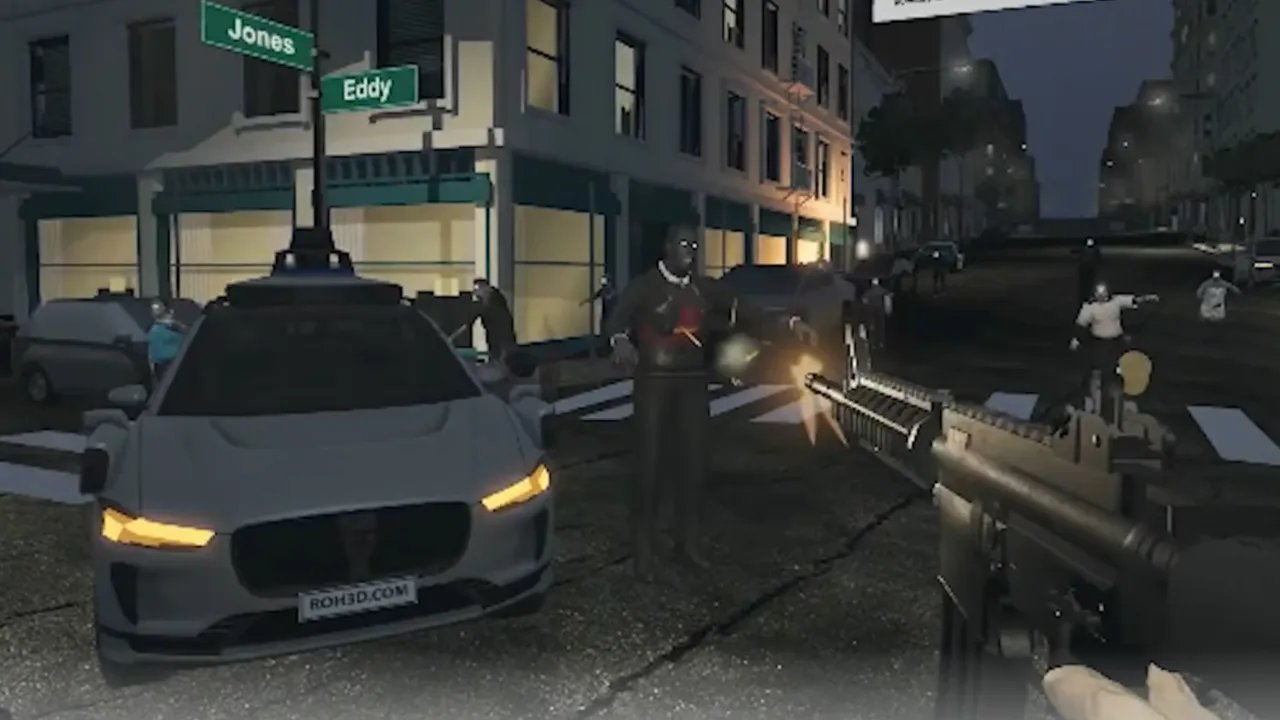
The recent controversy surrounding the first-person shooter game Tenderloin Night Shift highlights a growing tension between the rapid accessibility of AI-driven development tools and the ethical considerations developers must navigate. Created by independent developer Pierre-Louis Biojout, the game gained notoriety for its depiction of San Francisco’s Tenderloin neighborhood, specifically using a zombie theme to populate the streets with digital avatars resembling the area’s unhoused residents and people struggling with substance abuse. The game was produced over a single weekend using OpenAI’s Codex, a testament to how low the barrier to entry has become for software creation.
While technical automation allows creators to prototype ideas at unprecedented speeds, this project serves as a stark reminder that software, even when conceived as a rapid experiment, carries real-world social impact. The game’s mechanics involved combat against entities styled after local inhabitants, including those depicted in physical states associated with opioid addiction. When such sensitive human experiences are gamified, the lack of human oversight in the design process can lead to products that are deeply alienating and harmful to the communities they represent.
Understanding the Mechanics of the Controversial Title
Tenderloin Night Shift was built on the premise of a dystopian, stylized version of San Francisco. The game featured polygonal representations of city streets where players were tasked with eliminating threats characterized as “zombies.” These digital adversaries were recognizable by their attire—such as delivery service backpacks and construction uniforms—and their behavior, which mimicked the “fentanyl fold,” a posture synonymous with the severe physical effects of illicit drug use.
Beyond the core gameplay, the project utilized a monetization model that included digital ad space sold for $100 per week. This allowed businesses to purchase billboards within the game environment, blending user-generated digital assets with real-world commercial interests. The combination of hyper-localized, sensitive subject matter and a commercialized gameplay loop drew immediate condemnation from municipal officials who viewed the title as a dehumanizing exploitation of local struggles for entertainment value.
The Response from San Francisco Municipal Leaders
City officials were quick to respond to the existence of the game. Mayor Daniel Lurie and Supervisor Bilal Mahmood, the latter of whom represents the Tenderloin district, issued strong public rebukes. The overarching criticism centered on the transformation of human suffering into a digital product. Supervisor Mahmood specifically characterized the project as “deeply disturbing,” emphasizing that the dehumanization of vulnerable populations is not a standard that should be accepted in software development or entertainment media.
The administrative backlash focused on the idea that the game’s content failed to reflect the values of the city. By framing the residents of a real-world neighborhood as entities to be hunted, the game moved beyond satire into a space that many observers considered to be harassment under the guise of digital creation. The outcry forced a rapid reevaluation of the project by its creator, leading to the eventual total removal of the software from all platforms.
The Developer’s Retraction and Restitution
Following the intense public backlash, Pierre-Louis Biojout removed the title from his website, NanoCorp AI—a platform designed to host various AI-agent-based business projects. In an attempt to address the harm caused by the release, Biojout issued a public apology, citing poor judgment in the selection of the game’s setting and thematic elements. He explicitly stated that he did not intend to target specific demographics or provoke violence against real people, though he acknowledged that the promotional materials and the setting itself created an environment that crossed ethical boundaries.
In an effort to provide restitution, the developer took several concrete steps. He refunded the advertisers who had purchased space within the game, scrubbed his social media channels of all references to the project, and donated the total revenue generated by the title to the Delancey Street Foundation. This nonprofit organization, based in San Francisco, specializes in providing vocational training and substance abuse rehabilitation services, aligning the donation directly with the issues the game had inadvertently exploited.
AI and the Future of Content Oversight
The Tenderloin Night Shift incident offers a significant case study for the industry regarding the role of AI in game development. While tools like OpenAI’s Codex are revolutionary for their ability to write code and generate assets in a fraction of the time previously required, they do not inherently possess moral frameworks. Developers using these systems must still exercise rigorous oversight to ensure that their output does not violate community standards or cause real-world harm.
As AI development continues to scale, the responsibility shifts from the technology itself to the human engineers and designers who curate the prompts and parameters. The case underscores the necessity of ethical guidelines in the development lifecycle. For independent creators and larger studios alike, the lesson is clear: accessibility to high-powered development technology does not absolve the creator of their duty to ensure that their digital output respects the communities and realities they choose to simulate. Moving forward, the industry may see more robust community standards and self-policing mechanisms designed to prevent similar exploitative content from reaching public distribution.
Disclaimer: This content is auto-generated for informational purposes only.
Source: Read Original News