







The arrival of a new Prabhas film is rarely a quiet affair. In an industry where “pan-Indian” is the gold standard and “aura” is the primary currency, the release of a teaser is treated with the gravity of a national event. However, the birthday celebration for the Baahubali star this October 23 turned into an unexpected firestorm. With the reveal of Fauzi, director Hanu Raghavapudi didn’t just deliver a high-octane glimpse into a period actioner; he inadvertently triggered a heated debate over the ethics of historical revisionism in commercial cinema.
The two-minute and thirty-one-second teaser, which paints Prabhas as a Kolkata-born soldier and “India’s biggest rebel,” has drawn sharp criticism not for its cinematography or action choreography—which are admittedly grand—but for a creative choice that many are calling a historical betrayal: the depiction of Netaji Subhas Chandra Bose.
When Historical Figures Become Props
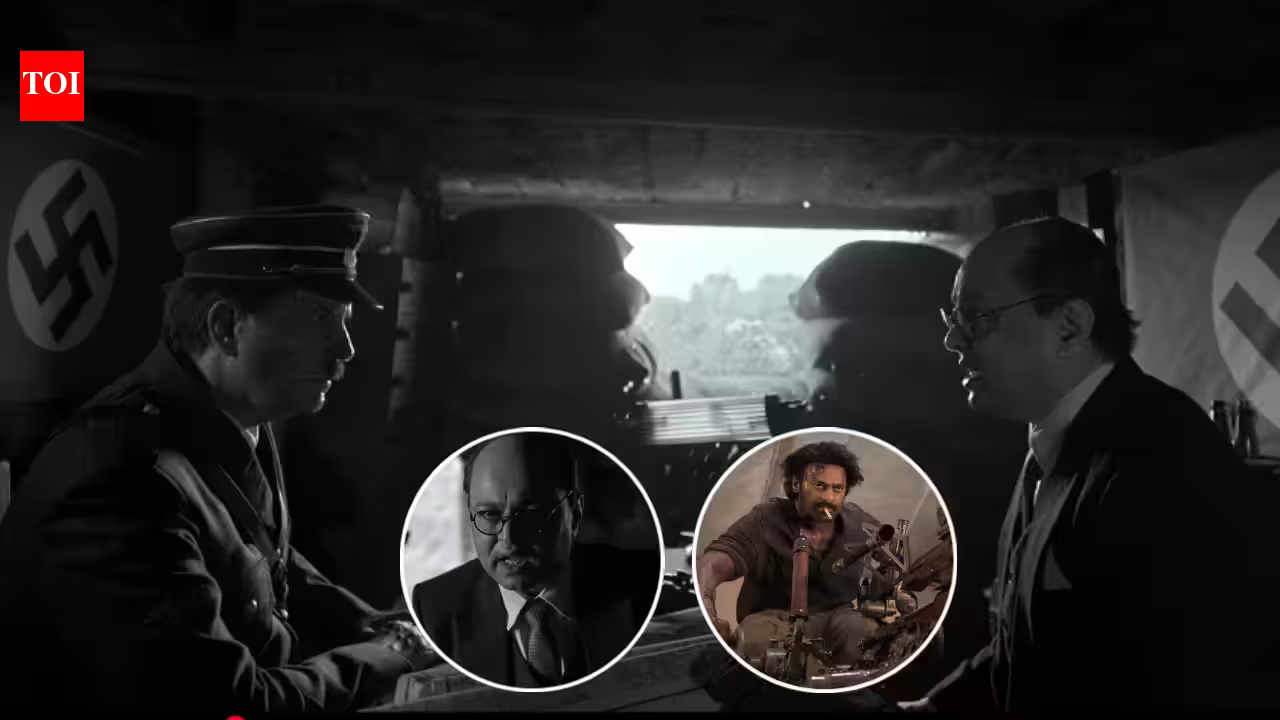
The controversy stems from a specific narrative bridge constructed in the teaser. It begins in the halls of power during the peak of World War II, showing a dramatized meeting between Netaji Subhas Chandra Bose and Adolf Hitler. While historical records confirm that the two figures did indeed meet in 1942, Fauzi shifts the dialogue into the realm of pure fantasy. In the footage, Netaji is depicted discussing a coded strategy inspired by the Bhagavad Gita, effectively framing the fictional protagonist (Prabhas) as the linchpin of his liberation efforts.
For many viewers, this isn’t merely “creative liberty”—it is a reduction of one of India’s most revered icons to a glorified cheerleader. The sequence suggests that Netaji’s strategic efforts were contingent upon the heroics of a fictional soldier, a move that critics argue is designed solely for “aura farming.” By placing Prabhas in the same frame and narrative weight class as Bose, the film risks diminishing the historical agency of the freedom fighter to satisfy the expectations of a massive fan base.
The Twitter Backlash: A Demand for Accountability
Social media platforms, particularly X (formerly Twitter), have become the frontlines of this cultural skirmish. The sentiment is overwhelmingly negative among those who view Netaji’s legacy as untouchable. The digital consensus, if one can be found, is that the commercial need to make the lead hero look like a superhuman machine of war is trampling on historical facts.
“I strongly demand that a criminal case be filed against the makers for exploiting Netaji Subhas Chandra Bose to elevate and glorify Prabhas’s character,” one user posted, encapsulating the outrage of a segment of the audience that finds the portrayal deeply insulting. Others have been more blunt, noting that the “hero-worship template” is becoming stale. “Hitler and Netaji—they’ve made a mockery of both,” another critic lamented, pointing to the trivialization of world-changing historical figures for the sake of a few “mass” moments and a booming background score.
The Defense: Fiction vs. Factual Records
However, as with any major star-led project, the defense has been just as vocal. Supporters of the film argue that Fauzi is explicitly a work of fiction. In their view, the film uses the backdrop of the Indian independence movement as an aesthetic and atmospheric choice rather than a historical documentary.
Fans of the Salaar and Kalki 2898 AD star argue that if films can reimagine mythological figures, they should have the leeway to integrate historical figures into an action-hero framework. For this camp, the cinematic experience is about the scale of the “rebel soldier” archetype, not a lesson in the archives of the Indian National Army. They argue that the emotional stakes of the character are heightened by placing him in the orbit of giants like Bose. Whether this argument holds weight with the general public, however, remains to be seen when the film hits theatres in 2027.
Is the “Mass Template” Losing Its Luster?
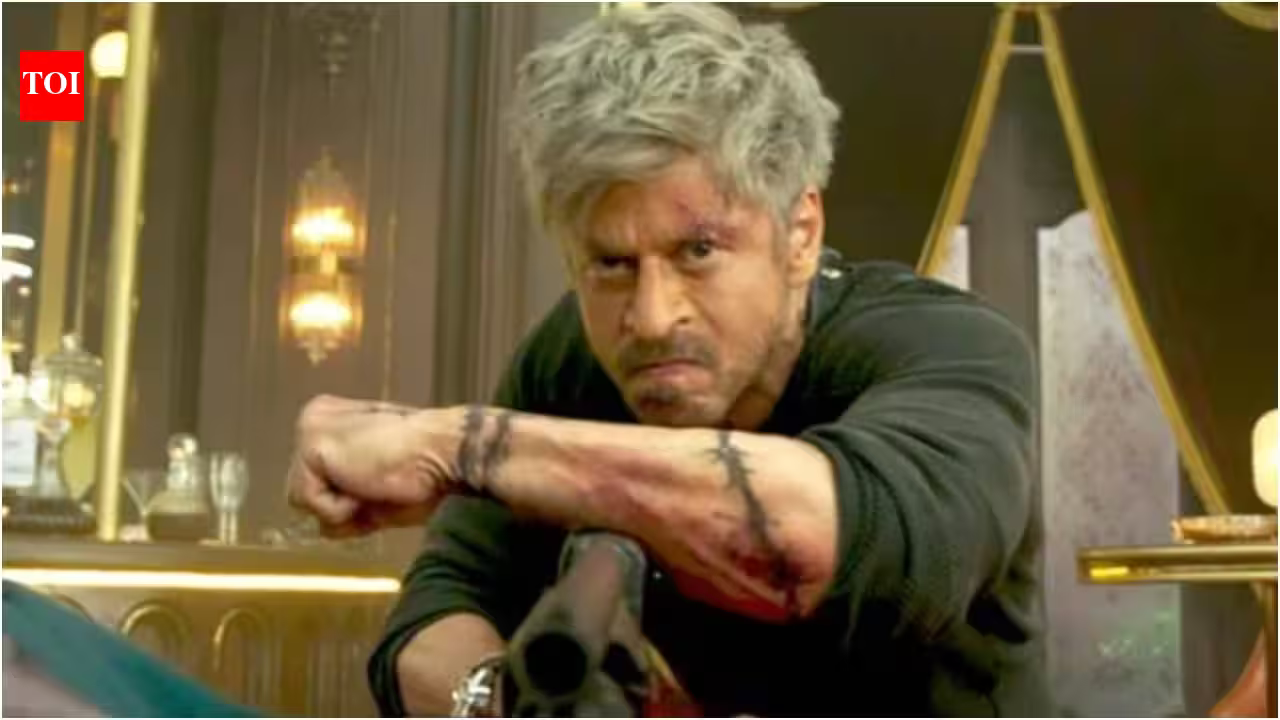
Beyond the historical debate, the reaction to Fauzi hints at a growing fatigue among Indian audiences. The visual language of the teaser—a lone protagonist drenched in blood, firing a heavy machine gun against an impossible backdrop, underscored by a thumping, aggressive score—is a staple of modern Indian blockbusters. But after a decade of increasingly similar visual tropes, some viewers are signaling that they have reached a breaking point.
The criticism suggests that audiences are no longer satisfied with “aura farming” alone. When a production relies on established historical figures to lend gravity to a character, there is a responsibility to do so with nuance. Failing that, the strategy can backfire, shifting the focus from the hero’s “cool factor” to the filmmaker’s perceived lack of respect for the source material.
The Road Ahead for ‘Fauzi’
Director Hanu Raghavapudi, known for his refined storytelling in films like Sita Ramam, now finds himself in a tight spot. Bringing on heavy hitters like producers Naveen Yerneni, Y Ravi Shankar, and Bhushan Kumar, the scale of Fauzi is immense. With a release date set for March 19, 2027, there is ample time for the production house to navigate this PR crisis.
The question for the makers is whether they will address these concerns or double down on their vision. History in Indian cinema is often a playground, but it is one guarded by a fiercely protective public. If Fauzi intends to capture the hearts of the audience, it may need to strike a more delicate balance between the “rebel hero” archetype and the dignity of the historical backdrop it chooses to utilize. Until then, the teaser serves as a cautionary tale: when you invite history onto the screen, be prepared for it to talk back.
Disclaimer: This content is auto-generated for informational purposes only.
Source: Read Original News