







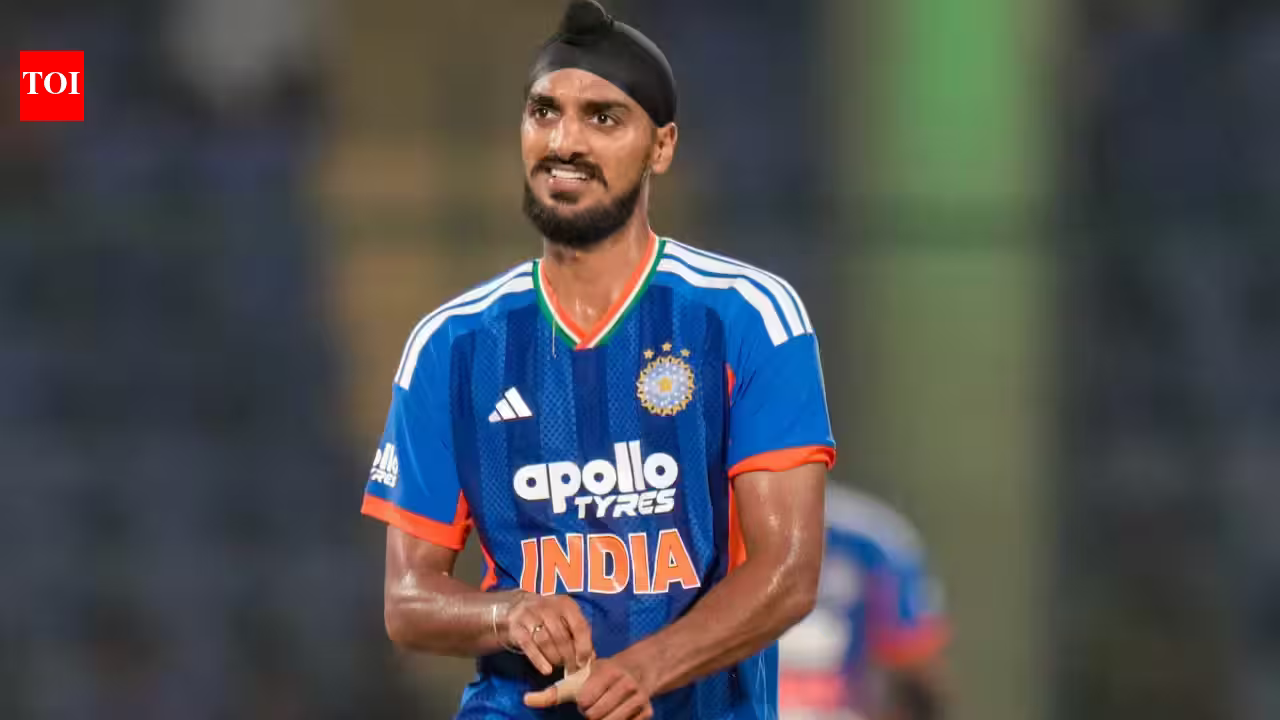
CHRISTCHURCH — In a display of pace-bowling precision that has become the hallmark of his international career, Arshdeep Singh etched his name into the annals of Indian cricket history on Saturday. During the high-stakes second T20I against New Zealand at the iconic Hagley Oval, the left-arm speedster produced a spell of 2/33, a performance that vaulted him past veteran Bhuvneshwar Kumar to claim the record for the most T20I wickets taken by an Indian bowler in a single calendar year.
With this latest surge, Arshdeep has pushed his 2026 tally to 38 wickets, eclipsing the previous Indian benchmark of 37, a record established by Bhuvneshwar Kumar during his prolific 2022 campaign. What makes the feat even more staggering is the efficiency with which it was achieved; while Bhuvneshwar required 31 innings to reach his milestone four years ago, Arshdeep has dismantled top-order lineups and cleaned up tail-enders alike in just 26 outings.
The achievement serves as a resounding affirmation of Arshdeep’s evolution. Once viewed primarily as a specialist for the death overs, the 27-year-old has transformed into a complete, multi-phase threat, capable of swinging the new ball at the top of the order and stifling batsmen with pinpoint accuracy in the final overs.
Arshdeep joins elite company
The milestone at Christchurch is not merely a domestic achievement; it positions Arshdeep among the most prolific bowlers in the history of the sport among full-member nations. His 38-wicket haul places him in a dead heat with Sri Lanka’s spin sensation Wanindu Hasaranga, who reached the same figure in 2024. Only Ireland’s Josh Little, who claimed 39 wickets in a phenomenal 2022, sits ahead of the Indian pacer. With further fixtures on the horizon, the possibility of Arshdeep eclipsing the all-time record looms large.
Consistency has been the cornerstone of his meteoric rise. Over the past three years, Arshdeep has effectively rewritten the record books for India. His current record-breaking 2026 follows an impressive 2024, where he bagged 36 scalps, and a breakthrough 2022, which saw him claim 33 wickets. By holding three of the top five spots on India’s all-time list for wickets in a calendar year, Arshdeep has solidified his status as the leader of the Indian bowling attack. He leads a list that includes recent stalwarts like Varun Chakaravarthy—who impressed with 36 wickets in 2025—and the versatile Axar Patel, who has contributed 32 scalps in 2026.
Early strikes and a game of momentum
The atmosphere at Hagley Oval was electric, and Arshdeep thrived under the pressure. Tasked with neutralizing the New Zealand top order, he struck early, dismissing Tim Seifert to stifle the hosts’ momentum during the powerplay. Coupled with clinical spells from Bhuvneshwar Kumar and Prince Yadav, India reduced the Black Caps to a precarious 41/3 by the 5.2-over mark, firmly putting the visitors in the driver’s seat.
However, international cricket is a game of shifting tides. A formidable counter-attacking partnership between Glenn Phillips and Bevon Jacobs breathed life into the New Zealand innings. The duo put together a match-defining 116-run stand, with Phillips playing a spectacular knock of 70 off 43 balls and Jacobs anchoring the effort with a composed 58 off 46. Their resilience pushed the hosts to a competitive total of 180/5, shifting the onus onto the Indian top order to deliver under the lights.
A chase defined by resilience
The reply from the Men in Blue was met with immediate hostility from the New Zealand attack. India found themselves faltering at 112/6, struggling to maintain pace as wickets tumbled with alarming regularity. The dismissal of Naman Dhir by Mitchell Santner appeared to be the final nail in the coffin, leaving India with a daunting requirement of nearly 70 runs in the final five overs—a scenario that historically favors the bowling side.
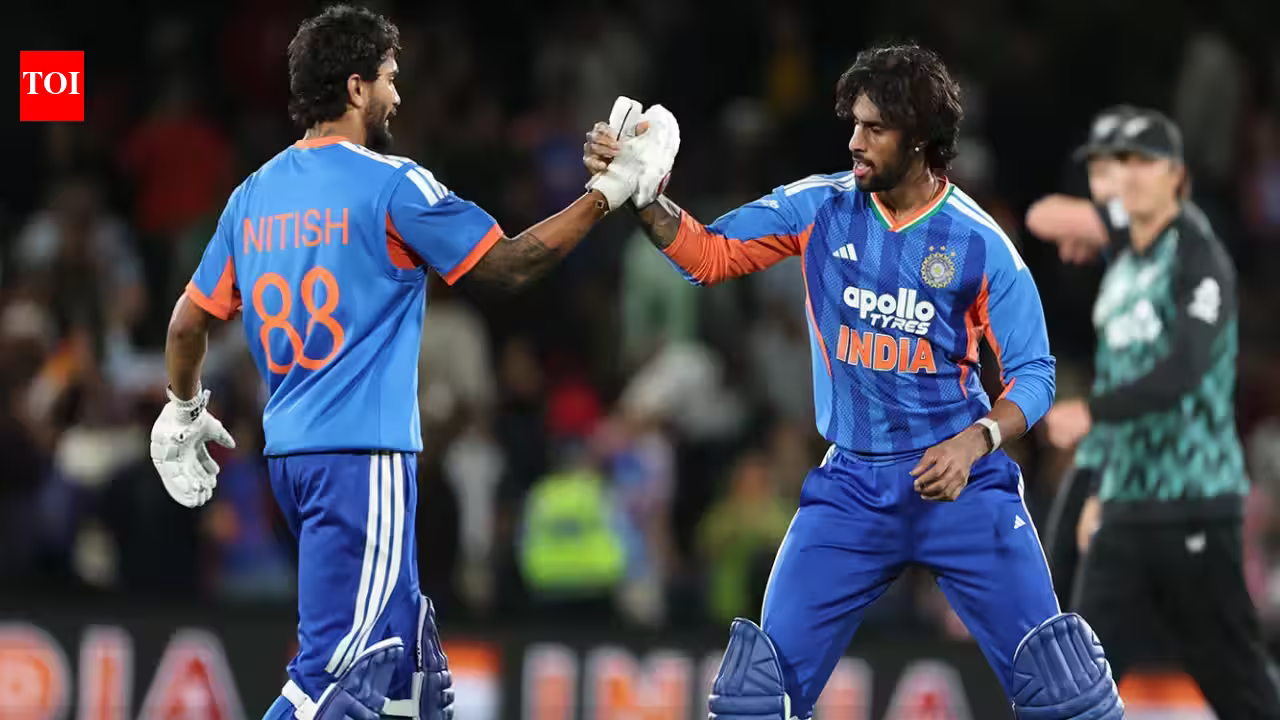
Yet, if this series has taught spectators anything, it is to never count out this current Indian squad. Tilak Varma emerged as the protagonist, carving out a blistering 51 not out off just 26 balls. Varma’s ability to find the boundary at will provided the necessary heartbeat to a faltering chase, turning a certain defeat into a tactical chess match in the final stages of the game.
While the match outcome would go down to the wire in a spectacle of high-intensity cricket, the post-match discourse was undeniably anchored by Arshdeep Singh’s historic individual performance. As he continues to mature, Arshdeep’s ability to remain the focal point of the Indian attack, regardless of the match result, signals a bright future for the national side’s pace department. For now, the record is his, and the cricketing world is watching to see just how high he can set the bar.
Disclaimer: This content is auto-generated for informational purposes only.
Source: Read Original News