








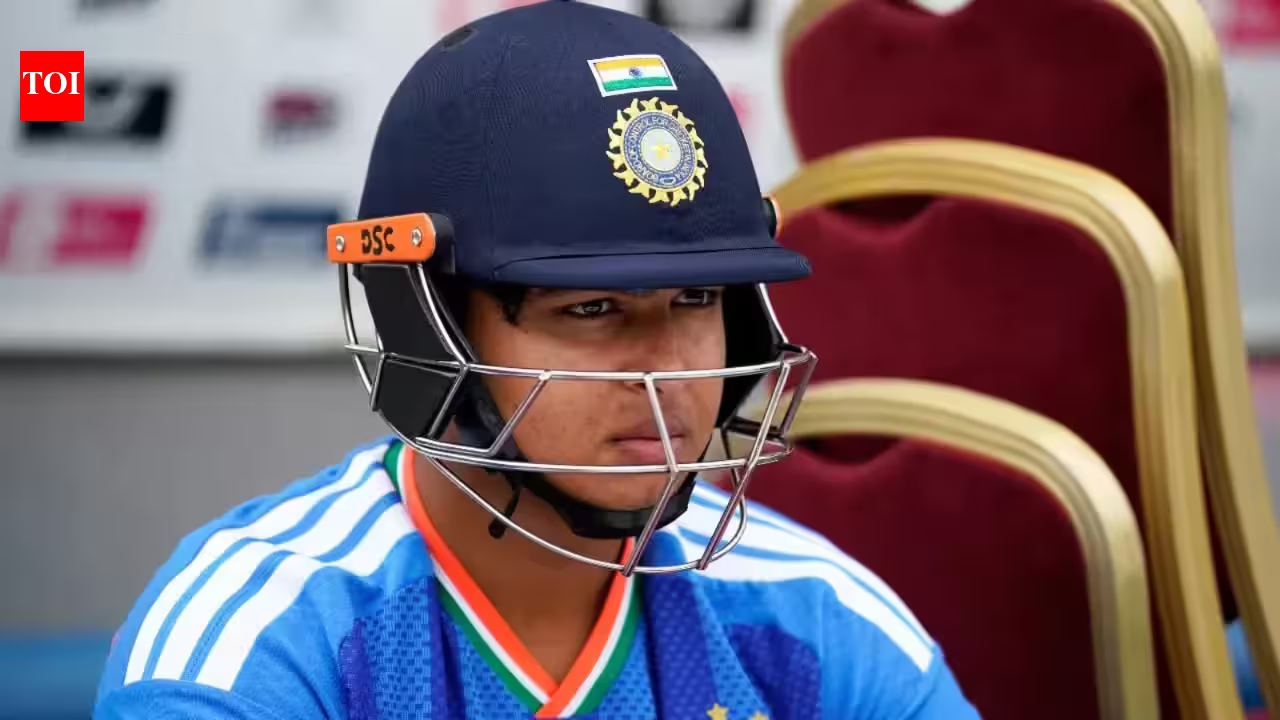
Christchurch was supposed to be the stage for a triumphant homecoming, but for 15-year-old prodigy Vaibhav Sooryavanshi, Saturday’s second T20I against New Zealand proved to be a harsh lesson in the relentless nature of international cricket. Returning to the Indian side for the first time since their golden run at the 2026 Asian Games, the young left-hander found the conditions at Hagley Oval significantly less forgiving than the high-pressure environment of the continental final in Hangzhou.
With the eyes of the cricketing world fixed on his comeback, Sooryavanshi was thrust into the spotlight following the unfortunate injury to veteran opener Ishan Kishan. Kishan, sidelined by a right adductor strain sustained during the series opener, left a gaping hole at the top of the order—a void the team management hoped their teenage sensation would fill with poise and aggression. Instead, the match became a crucible that exposed the fragility of youth on the big stage.
A Strugglesome Return to the Crease
The expectations were high, but the reality was a painstaking struggle. Walking out to the middle under clear skies but with a challenging pitch, Sooryavanshi looked tentative from the outset. Tasked with chasing a formidable target of 181, India needed a solid foundation; however, the youngster’s stay at the crease lasted a mere eight deliveries.
He scraped together just four runs, never truly finding the rhythm or the timing that has earmarked him as one of India’s most exciting prospects. The end of his innings was as clinical as it was disappointing. Kiwi pacer Nathan Smith, operating with intelligent pace and accuracy, delivered a hard-length ball angled sharply across the left-hander. Attempting to force the issue, Sooryavanshi lunged for an expansive drive. It was a shot born of frustration, lacking the necessary footwork to reach the pitch of the ball. The connection was thin, failing to find the middle of the bat, and the ball zipped towards the cover region. Daryl Mitchell, alert and agile, made no mistake with a sharp catch, leaving the Indian dressing room in a state of quiet dejection as the scoreboard read 83/5 after 12 overs.
New Zealand’s Dominant First Half
Earlier in the day, the Black Caps laid the groundwork for their victory by playing a calculated, high-intensity brand of cricket. Invited to bat first, the hosts showed great maturity in navigating the Indian bowling attack, which—despite the inclusion of experienced campaigners like Bhuvneshwar Kumar and Axar Patel—struggled to maintain consistent pressure.
New Zealand posted a commanding 180/5, a total bolstered by collective contributions across their batting order. By rotating the strike effectively and punishing the loose deliveries, the Kiwi middle order ensured they kept the scoreboard ticking at an aggressive pace. The Indian bowlers, conversely, found it difficult to break the partnerships. Prince Yadav and Arshdeep Singh searched for swing, but the conditions offered little movement, allowing the likes of Daryl Mitchell and Glenn Phillips to set the pace for the remainder of the innings.
A Mid-Series Crisis for India
The pressure was palpable as the Indian innings unfolded. The dismissal of Sooryavanshi, coupled with the earlier departure of skipper Shreyas Iyer, left the middle order with a mountain to climb. With the scorecard hovering around the 80-run mark at the midway point, the required run rate began to spiral out of control, forcing the lower order into high-risk shots that rarely pay dividends against a disciplined bowling unit like New Zealand’s.
For Sooryavanshi, this match serves as a sobering reality check. His inclusion in the playing XI was a statement of intent from the selectors, who view him as a long-term investment. Yet, having missed the entire five-match T20I series against the West Indies and the first match of this series, the rust was evident. The transition from domestic promise to international consistency is rarely a linear path, and today’s performance highlighted exactly how steep that learning curve remains.
Looking Ahead
As the series moves into its decisive stages, the focus will now shift to how India manages the fallout of this loss. With Sanju Samson at the wicket and the hopes of the fans resting on the tail, the team must analyze where their planning went awry. The loss of Ishan Kishan is undoubtedly a blow to the team’s balance, but the inability of the middle order to anchor the chase after early setbacks will be the primary concern for the coaching staff.
The New Zealand side, captained by Mitchell Santner, continues to look like a well-oiled machine. With a bowling attack led by Lockie Ferguson and Matt Henry, who both bowled with extreme discipline on Saturday, they have effectively neutralized India’s aggressive stroke-makers.
For Vaibhav Sooryavanshi, the disappointment of Christchurch will be a memory he likely wants to erase quickly. At 15, his career is still in its infancy, and the resilience he shows in the wake of this outing will determine just how long a shadow he will cast in the future of Indian cricket. For now, however, the limelight shifts back to the veterans, as India looks to salvage the series and prove that their depth remains their greatest asset.
Disclaimer: This content is auto-generated for informational purposes only.
Source: Read Original News