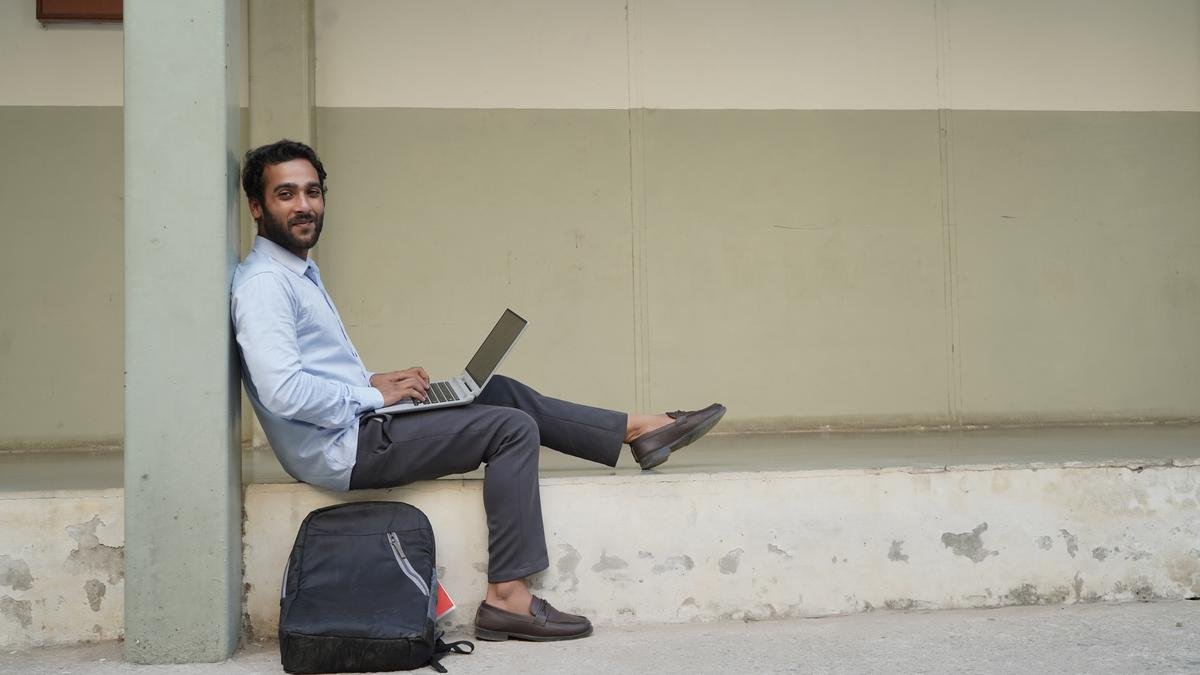










The landscape of Indian education is undergoing a seismic shift, driven by a renewed emphasis on pedagogical reform and institutional accountability. As highlighted in recent reports by Animesh Bahadur for The Hindu, the intersection of policy frameworks and ground-level implementation is redefining how students engage with learning, moving away from rote memorization toward a more holistic, competency-based model.
Reimagining the Assessment Framework
At the heart of the current educational discourse is the overhaul of examination systems. For decades, Indian schooling was synonymous with “high-stakes” board examinations that prioritized recall over reasoning. However, policy directives—most notably under the National Education Policy (NEP) 2020—are signaling an end to this paradigm.
Recent updates indicate that examination boards are transitioning toward a modular structure. The goal is to reduce the psychological burden on students while encouraging multiple testing windows throughout the academic year. By decoupling success from a single, high-pressure event, policymakers aim to alleviate the “coaching culture” that has long plagued Indian secondary education. Educators argue that this shift will allow students to demonstrate continuous progress rather than cramming information for a one-off performance.
Institutional Autonomy and Quality Assurance
While policy shifts set the stage, the efficacy of these changes rests on institutional capacity. Bahadur’s coverage underscores a critical tension: while institutions are being granted greater autonomy to design curricula, there remains a persistent disparity in the quality of resources between urban and rural centers.
To bridge this gap, regulatory bodies are pushing for more rigorous accreditation processes. The emphasis is moving beyond infrastructure metrics to student learning outcomes. Institutions are now being encouraged to move toward “learner-centric” models where the teacher acts more as a facilitator than a transmitter of information. For universities and colleges, this means investing heavily in faculty training and digital integration, ensuring that the classroom environment is conducive to critical inquiry rather than passive listening.
The Digital Integration Paradox
Learning in the 21st century is inseparable from digital tools, yet the integration of technology remains a double-edged sword. While digital platforms have democratized access to high-quality lectures and study materials, they have also created a “distraction economy.”
Policy analysts note that technology should not be viewed as a panacea. The current pedagogical challenge is to integrate “blended learning” effectively. This approach seeks to marry the benefits of digital convenience with the essential social and emotional learning that occurs in physical classrooms. By leveraging AI-driven analytics, teachers can now identify specific learning gaps in real-time, allowing for personalized interventions that were impossible in traditional lecture halls. However, as Bahadur points out, the success of these tools depends entirely on the digital literacy of the educators managing them.
Policy into Practice: A Long-Term Vision
The transition toward a flexible, multidisciplinary education system is an ambitious undertaking. Critics argue that the current pace of implementation is uneven, and teachers—the frontline soldiers of this transformation—are often overwhelmed by the administrative requirements of these new mandates.
For the vision of a modernized education system to take root, policymakers must prioritize consistent feedback loops from both students and educators. The focus must shift from merely changing the “rules” of the exam or the “structure” of the curriculum to fostering a culture of curiosity.
Ultimately, the goal as presented in the current discourse is to transform the student from a passive recipient of information into an active participant in their own intellectual journey. As India continues to integrate global best practices with local needs, the success of these reforms will be measured not by the marks on a report card, but by the ability of its graduates to adapt, innovate, and think critically in an increasingly complex world. The path forward requires patience, sustained investment in teacher development, and an unwavering commitment to equity in the classroom.
Disclaimer: This content is auto-generated for informational purposes only.
Source: Read Original News